






When Your Child Has Diarrhea: Causes, Care, and When to See a Doctor
Learn how to manage diarrhea in children safely. Discover common causes, home care tips, and when to seek medical help to protect your child’s health.
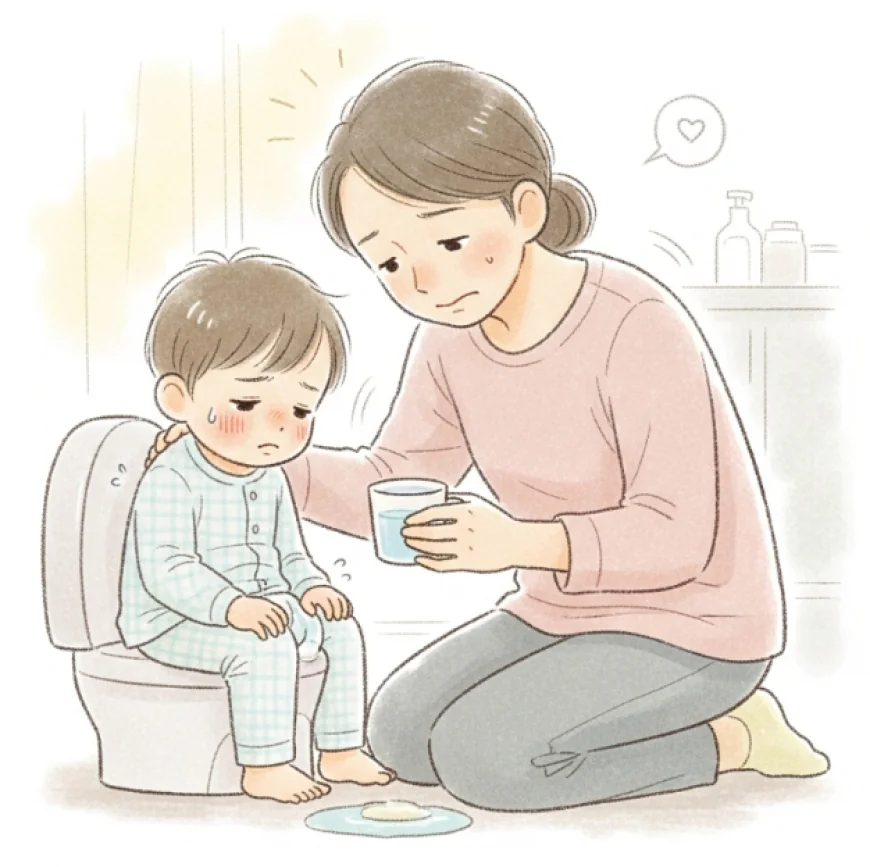
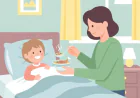
Diarrhea is one of the most common health issues in babies and toddlers. It can cause frequent loose stools, fatigue, and loss of appetite, which naturally worries parents. Most cases are caused by viruses, bacteria, or diet-related sensitivities and can be managed at home with proper care. However, knowing when to seek medical help is crucial for your child’s safety.
Common Causes of Diarrhea in Young Children
-
Viruses (like Rotavirus, Adenovirus): Often accompanied by vomiting and fever.
-
Bacterial infections (E. coli, Salmonella): Caused by contaminated food or water.
-
Food intolerance or allergies: Such as lactose intolerance.
-
Antibiotic use: Can upset gut balance.
-
Poor hygiene: Germs on toys, bottles, or hands spread easily.
Signs Your Child May Have Diarrhea
-
Three or more loose or watery stools a day.
-
Mucus or blood in stool.
-
Abdominal pain, gas, or bloating.
-
Fatigue, irritability, or refusal to eat.
-
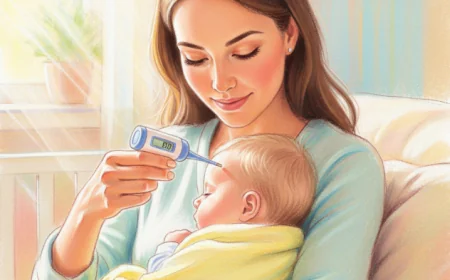
Signs of dehydration: dry mouth, sunken eyes, little or no urine.
How to Care for a Child With Diarrhea at Home
-
Rehydrate: Offer oral rehydration solutions (ORS) to replace fluids and electrolytes.
-
Continue breastfeeding: Breast milk strengthens immunity and provides comfort.
-
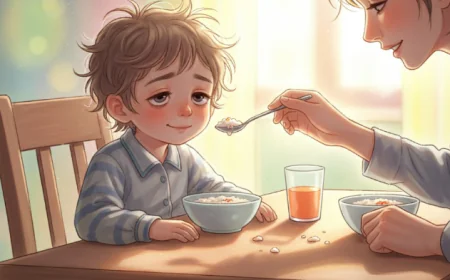
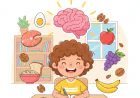
Light, small meals: Serve bland foods like rice porridge, mashed bananas, or vegetable soups.
-
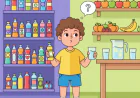
Avoid trigger foods: No fried foods, sugary drinks, or cow’s milk (if lactose intolerant).
-
Keep everything clean: Wash hands and sanitize feeding items regularly.
-
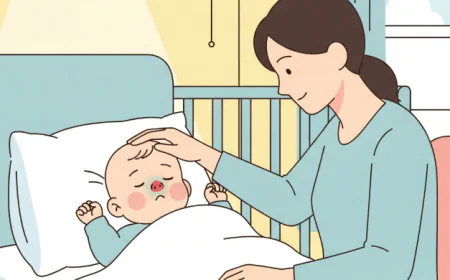
Monitor symptoms: Track stool changes and overall condition.
When to See a Doctor
Seek medical help immediately if your child has:
-
Diarrhea lasting more than 2 days without improvement.
-
High fever or repeated vomiting.
-
Blood or large amounts of mucus in stool.
-
Severe dehydration: sunken eyes, dry lips, very little urine.
-
Diarrhea in infants under 6 months old.
Prevention Tips
-
Wash hands thoroughly with soap.
-
Only serve well-cooked food and safe drinking water.
-
Vaccinate against Rotavirus.
-
Keep bottles, pacifiers, and toys sanitized.
-
Teach older children good hygiene habits.

Diarrhea in young children is often manageable at home, but dehydration and severe symptoms require medical attention. The key is staying calm, keeping your child hydrated, and knowing the red flags.
✨ Remember: your patience and reassurance are just as important as medical care in helping your child recover.
What's Your Reaction?
 Like
0
Like
0
 Dislike
0
Dislike
0
 Love
0
Love
0
 Funny
0
Funny
0
 Angry
0
Angry
0
 Sad
0
Sad
0
 Wow
0
Wow
0