










A One-Week Balanced Meal Plan for Preschoolers
Discover a practical, one-week balanced meal plan for preschoolers (ages 3-5). Includes daily meals, snack ideas, nutritional tips, and strategies for picky eaters.

A One-Week Balanced Meal Plan for Preschoolers
As parents, we constantly strive to provide the best for our children, and nutrition sits at the very heart of their healthy development. Preschool years (ages 3-5) are a period of incredible growth, learning, and boundless energy. What goes into their little bodies directly fuels their cognitive function, physical stamina, and immune system. Yet, figuring out what to feed a sometimes-picky, always-active preschooler can feel like a daily culinary challenge.
Fret no more! This guide offers a practical, delicious, and balanced one-week meal plan designed specifically for your preschooler. Our goal is to simplify mealtime, ensure your child gets all the essential nutrients, and even introduce them to new flavors and textures, making eating an enjoyable adventure rather than a struggle.
Why a Balanced Meal Plan Matters for Your Little One
A well-structured meal plan goes beyond just filling tiny tummies. It offers numerous benefits for both children and parents:
- Ensures Nutrient Intake: Guarantees a wide range of vitamins, minerals, proteins, and healthy fats crucial for growth and development.
- Establishes Healthy Habits: Regular mealtimes and varied foods help foster a positive relationship with food that can last a lifetime.
- Reduces Mealtime Stress: No more last-minute scrambling! A plan brings peace of mind and frees up mental energy.
- Encourages Variety: Prevents food ruts and introduces children to a broader spectrum of tastes, making them less likely to be picky.
- Manages Portions: Helps parents understand appropriate serving sizes for preschoolers, preventing over or under-eating.
- Budget-Friendly: Planning often leads to smarter grocery shopping and less food waste.
Understanding Preschooler Nutritional Needs
Before diving into the plan, let’s quickly review the key nutritional pillars for this age group:
- Proteins: Essential for growth, muscle development, and immune function. Think lean meats, poultry, fish, eggs, dairy, beans, lentils, and nuts/seeds (if no allergies).
- Complex Carbohydrates: Provide sustained energy for play and learning. Whole grains like oats, whole wheat bread, brown rice, and pasta are excellent choices.
- Healthy Fats: Crucial for brain development and nutrient absorption. Avocados, olive oil, fatty fish, and certain nuts/seeds are beneficial.
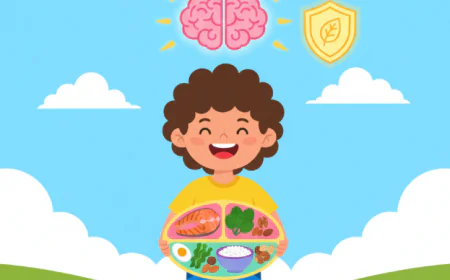
- Vitamins & Minerals: Abundant in fruits and vegetables, these support overall health, vision, bone strength, and immunity. Aim for a colorful plate!
- Hydration: Water is paramount. Offer water frequently throughout the day. Milk (whole milk until age 2, then reduced-fat) also provides calcium and vitamin D.
- Portion Sizes: Remember, preschoolers have small stomachs. A general rule of thumb is about one tablespoon of each food type per year of age. Don't force them to clean their plate.
Top Tips for Successful Preschooler Meal Planning
Even the best meal plan needs a sprinkle of strategy to succeed. Here are some tips:
- Involve Them: Let your child help pick out fruits at the store, stir ingredients, or set the table. Ownership often leads to willingness to eat.
- Variety is Key: Don't offer the same meal every day. Rotate proteins, grains, and produce to ensure a broad nutrient profile and prevent boredom.
- Limit Processed Foods & Added Sugars: These offer empty calories and can lead to energy crashes. Stick to whole, unprocessed foods as much as possible.
- Don't Force Feed: Respect your child's appetite. If they're not hungry, don't make mealtime a battle. Offer healthy options and let them decide how much to eat.
- Snacks Are Essential: Little tummies need fuel between meals. Offer 2-3 nutritious snacks daily to keep energy levels stable.
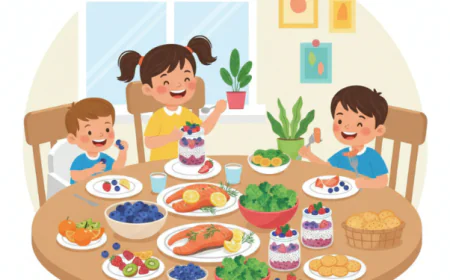
- Make it Fun: Cut sandwiches into fun shapes, arrange veggies like a rainbow, or give foods silly names.
Your One-Week Balanced Meal Plan for Preschoolers
This plan aims for balance, variety, and kid-friendliness. Remember to adjust portion sizes based on your child's age and appetite. Always ensure fresh water is available throughout the day.
Monday: A Nutritious Start
-
Breakfast:
Oatmeal cooked with milk, topped with fresh berries (strawberries, blueberries) and a sprinkle of cinnamon. -
Lunch:
Whole wheat pita pizza (spread with a little tomato paste, sprinkle of cheese, and finely chopped bell peppers) with a side of cucumber slices. -
Dinner:
Baked chicken strips (homemade is best) with steamed broccoli florets and a small portion of brown rice. -
Snacks:
Apple slices with a thin spread of peanut butter (or sun butter for allergies), a small container of plain yogurt.
Tuesday: Tantalizing Tastes
-
Breakfast:
Scrambled egg with a slice of whole-wheat toast (cut into fun shapes). -
Lunch:
Turkey and cheese roll-ups (thinly sliced turkey and cheese rolled in a whole-wheat tortilla) with carrot sticks and hummus for dipping. -
Dinner:
Hearty lentil soup (mashed slightly for younger children) with a small whole-wheat roll. -
Snacks:
Banana, a cheese stick.
Wednesday: Wholesome Wonders
-
Breakfast:
Whole-grain pancakes or waffles with a small amount of maple syrup and a side of mixed fruit. -
Lunch:
Leftover lentil soup from Tuesday, with a few whole-grain crackers. -
Dinner:
Baked fish sticks (opt for whole fish fillets if possible) with sweet potato fries and green peas. -
Snacks:
Orange segments, a small handful of freeze-dried fruit.
Thursday: Thoughtful Choices
-
Breakfast:
Low-sugar whole-grain cereal with milk and a small banana. -
Lunch:
Hummus and thinly sliced bell pepper (red, yellow) sticks with whole-wheat bread triangles. -
Dinner:
Mini turkey meatballs (homemade) with whole wheat pasta and a simple tomato sauce (low sodium). -
Snacks:
Pear slices, a hard-boiled egg.
Friday: Fantastic Flavors
-
Breakfast:
Yogurt parfait made with plain yogurt, a sprinkle of granola, and fresh berries. -
Lunch:
Cheese quesadilla on a whole-wheat tortilla, served with a small side of black beans (rinsed). -
Dinner:
Homemade chicken nuggets (baked) with a side salad (shredded lettuce, cherry tomatoes cut in half) and roasted butternut squash. -
Snacks:
Rice cakes with a thin layer of avocado, a small bunch of grapes (cut in half lengthwise).
Saturday: Scrumptious & Simple
-
Breakfast:
Whole-wheat toast with a spread of avocado and a few cherry tomato halves. -
Lunch:
Small homemade pizza on a whole-wheat pita bread, topped with a little cheese, corn, and finely chopped spinach. -
Dinner:
Ground turkey or beef tacos in soft whole-wheat tortillas, with shredded lettuce, a sprinkle of cheese, and mild salsa. -
Snacks:
Sliced bell peppers and a small fruit smoothie (made with fruit, yogurt, and a splash of milk).
Sunday: Satisfying Sunday Meal
-
Breakfast:
French toast made with whole-wheat bread, served with a simple fruit compote (stewed apples or berries). -
Lunch:
Leftover tacos from Saturday, or a small sandwich with lean protein and veggies. -
Dinner:
Roasted chicken drumstick (skin removed after cooking) with roasted root vegetables (carrots, potatoes) and green beans. -
Snacks:
A clementine, whole-grain crackers with cream cheese.
Beyond the Plate: Fostering Healthy Eating Habits
Remember, this meal plan is a guide, not a strict rulebook. Flexibility is key. Some days your child might eat more, other days less. Focus on the overall balance throughout the week. Continue to offer new foods regularly, even if they're initially rejected. It can take multiple exposures (sometimes 10-15!) before a child accepts a new food.
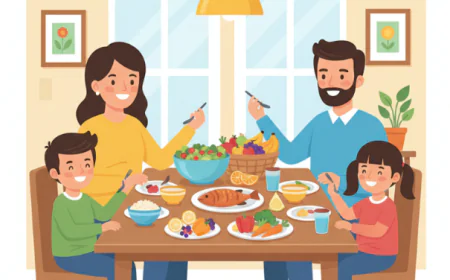
Most importantly, model healthy eating habits yourself. Children learn by watching. If they see you enjoying a variety of nutritious foods, they're more likely to try them too. Make mealtime a positive, family experience, free from pressure and distractions.
Conclusion
Providing a balanced diet for your preschooler is one of the most loving and impactful things you can do for their long-term health and well-being. This one-week meal plan offers a fantastic starting point to ensure they receive the vital nutrients they need for optimal growth, energy, and cognitive development. By embracing variety, involving your child, and fostering a positive eating environment, you're not just feeding them for today; you're building a foundation for a lifetime of healthy eating habits. Happy planning!
What's Your Reaction?
 Like
0
Like
0
 Dislike
0
Dislike
0
 Love
0
Love
0
 Funny
0
Funny
0
 Angry
0
Angry
0
 Sad
0
Sad
0
 Wow
0
Wow
0