








Vitamin K and Its Role in Children’s Bone Health
Vitamin K is vital for children’s bone strength and growth. Learn its role, food sources, signs of deficiency, and smart nutrition tips for parents.
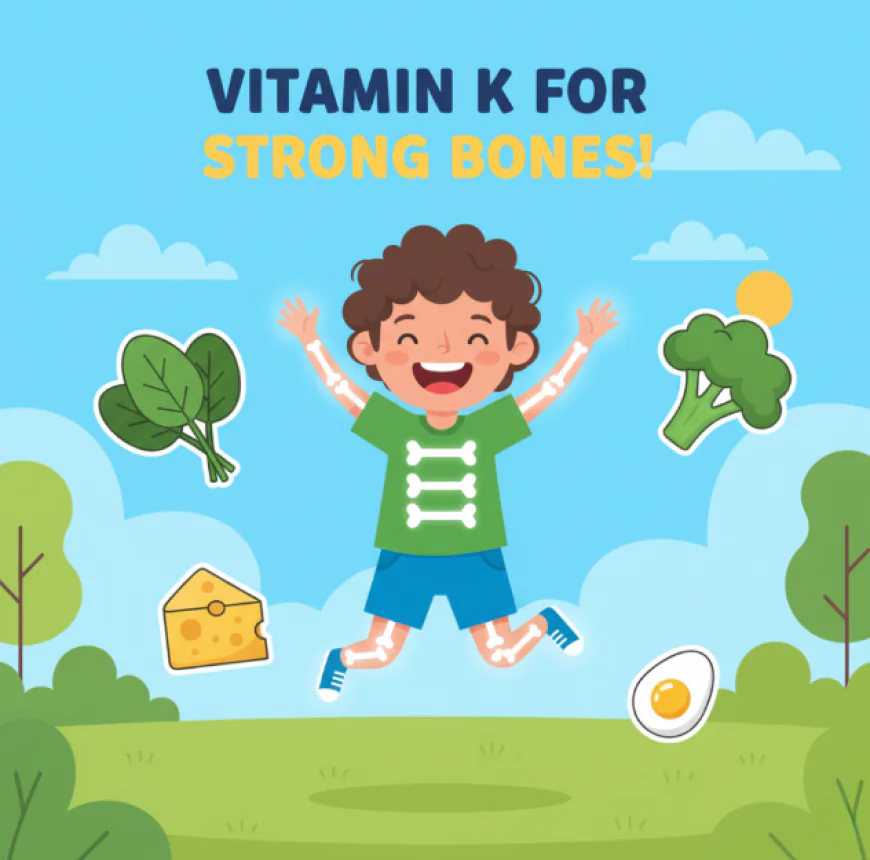
Vitamin K – The “Silent Hero” of Strong Bones
When parents think about bone health, calcium and vitamin D are usually the first nutrients that come to mind. However, few realize that vitamin K is also a crucial factor in helping children build strong, healthy bones. Without enough vitamin K, even high calcium intake may not be effectively absorbed or utilized by the body.
👉 So what exactly does vitamin K do for children’s bones, and how can parents ensure their kids get enough?
What Is Vitamin K?
Vitamin K is a fat-soluble vitamin that exists in two main forms:
-
K1 (phylloquinone): found mainly in leafy green vegetables, plays a primary role in blood clotting.
-
K2 (menaquinone): found in fermented foods and some animal products, strongly linked to bone and heart health.
The Role of Vitamin K in Children’s Bones
-
Supports bone formation
-
Vitamin K activates a protein called osteocalcin, which helps bind calcium to bone structure.
-
-
Enhances calcium and vitamin D efficiency
-
Vitamin K works with vitamin D to ensure calcium is directed to the right places (bones and teeth) rather than deposited in the wrong areas (like blood vessels).
-
-
Reduces risk of weak bones and fractures
-
Children lacking vitamin K may have lower bone density and a higher risk of injuries during physical activity.
-

Food Sources of Vitamin K
-
Vitamin K1:
-
Leafy greens: spinach, kale, broccoli.
-
Herbs: parsley, basil.
-
-
Vitamin K2:
-
Cheese and yogurt.
-
Eggs.
-
Chicken and beef.
-
Fermented foods: natto (fermented soybeans).
-

Signs of Vitamin K Deficiency in Children
-
Slow blood clotting or frequent nosebleeds.
-
Easy bruising.
-
Weaker teeth and bones than expected.
-
Slower height growth compared to peers.
👉 If these symptoms appear, parents should consult a doctor for testing and supplementation guidance.
Parent Recommendations
-
Provide a balanced diet that includes leafy greens and dairy products.
-
Encourage kids to eat naturally fermented foods such as yogurt.
-
Avoid giving vitamin K supplements without medical advice.
-
For newborns, a vitamin K injection right after birth is recommended to prevent bleeding disorders.
Though often overlooked, vitamin K is truly a “silent hero” in building a strong skeletal foundation for children. Alongside calcium and vitamin D, vitamin K optimizes bone formation, lowers injury risks, and supports overall healthy growth.
👉 By adding vitamin K–rich foods to daily meals, parents can help ensure their children grow up with strong, resilient bones from the very start.
What's Your Reaction?
 Like
0
Like
0
 Dislike
0
Dislike
0
 Love
0
Love
0
 Funny
0
Funny
0
 Angry
0
Angry
0
 Sad
0
Sad
0
 Wow
0
Wow
0