










Superfoods for Kids: Facts and the Right Way to Understand Their Nutritional Benefits
Superfoods can boost kids’ immunity, brain power, and growth—but they’re not magic. Learn the facts, benefits, and how to add them safely into your child’s diet.
Are Superfoods Really “Super”?
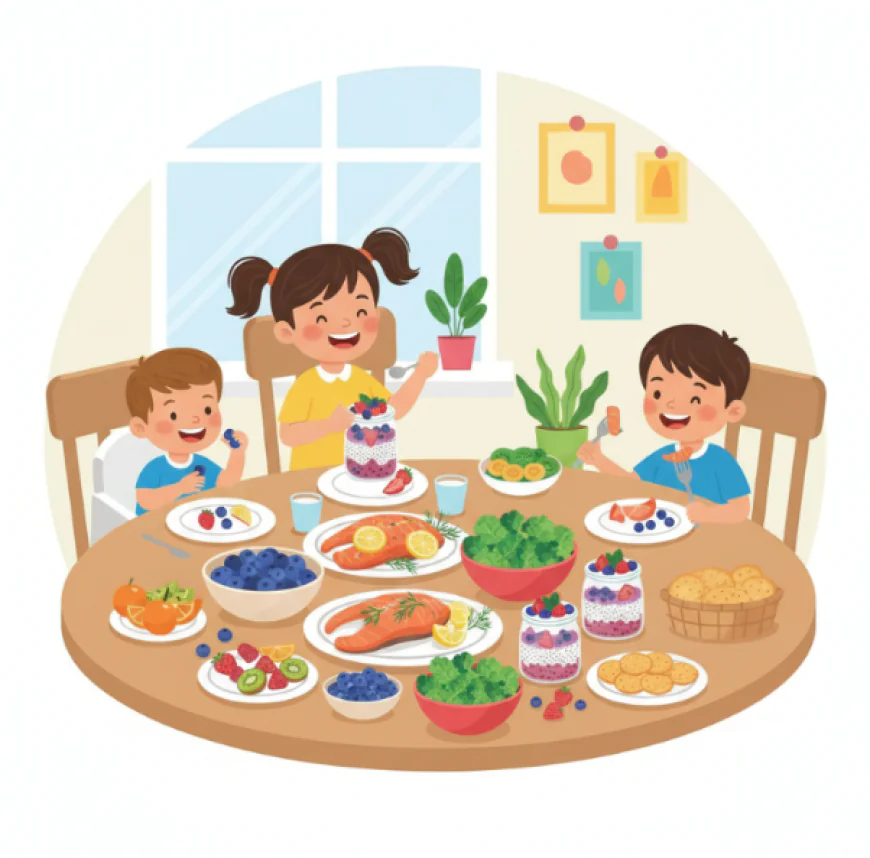
In recent years, the term “superfoods” has flooded health campaigns and parenting blogs. From blueberries and chia seeds to salmon and kale, these foods are often praised as miracle ingredients for smarter, stronger, and healthier children.
👉 But are superfoods truly magical, or simply part of a well-balanced diet?
What Are Superfoods?
“Superfood” is not an official scientific term. It is mostly used in media to describe foods that are especially nutrient-dense and beneficial for health.
Examples include:
-
Blueberries: high in antioxidants.
-
Chia seeds: rich in omega-3 and fiber.
-
Salmon: an excellent source of protein and DHA.
-
Kale: loaded with vitamins A, C, and K.

Nutritional Benefits for Children
-
Strengthens Immunity
Berries like strawberries and blueberries are packed with vitamin C and antioxidants that help children fight colds and infections. -
Supports Brain Development
Salmon, walnuts, and chia seeds provide omega-3 fatty acids, essential for memory and concentration. -
Improves Digestion
Whole grains and flaxseeds are rich in fiber, reducing constipation—a common issue in kids. -
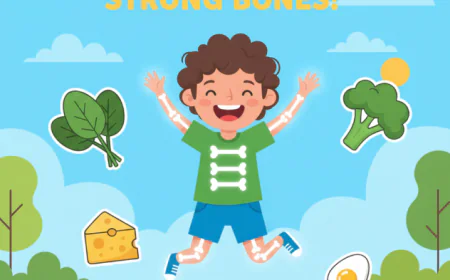
Promotes Strong Bones and Muscles
Greek yogurt, almonds, and kale supply calcium and protein for healthy growth.
Understanding Superfoods Without Overhyping
-
Superfoods cannot replace a balanced diet.
-
Overconsumption of one food may lead to nutritional imbalance.
-
Some nuts and seeds may cause allergic reactions in children—introduce gradually.
👉 The key is to combine superfoods with fruits, vegetables, whole grains, and lean proteins in daily meals.
Age-Appropriate Superfoods
-
Toddlers (under 3 years): bananas, apples, yogurt, oats.
-
Ages 4–8: blueberries, salmon, chia seeds, eggs.
-
Ages 9–13: almonds, kale, quinoa, lentils.
Practical Tips for Parents
-
Introduce new foods gradually to prevent allergies.
-
Avoid forcing—pair superfoods with dishes your child already enjoys.
-
Teach kids that healthy eating is about variety, not “magic foods.”
-
Use a colorful plate approach to encourage a wide range of nutrients.
Superfoods truly offer excellent nutrition for kids, but no single food is a magic cure. The foundation of long-term health is still a balanced, diverse diet suited to a child’s age and lifestyle.
👉 Instead of chasing food trends, parents should focus on creating sustainable, healthy eating habits—where superfoods serve as valuable additions, not the entire solution.
What's Your Reaction?
 Like
0
Like
0
 Dislike
0
Dislike
0
 Love
0
Love
0
 Funny
0
Funny
0
 Angry
0
Angry
0
 Sad
0
Sad
0
 Wow
0
Wow
0