









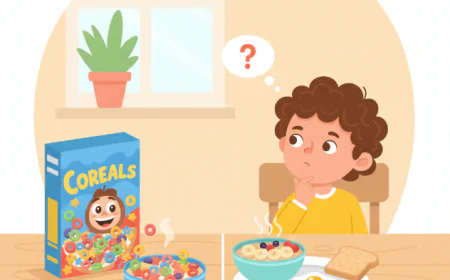

Organic Foods for Kids: Are They Worth the Investment for Parents?
Are organic foods worth it for kids? Learn the benefits, limitations, and smart tips for parents to invest wisely in children’s nutrition.
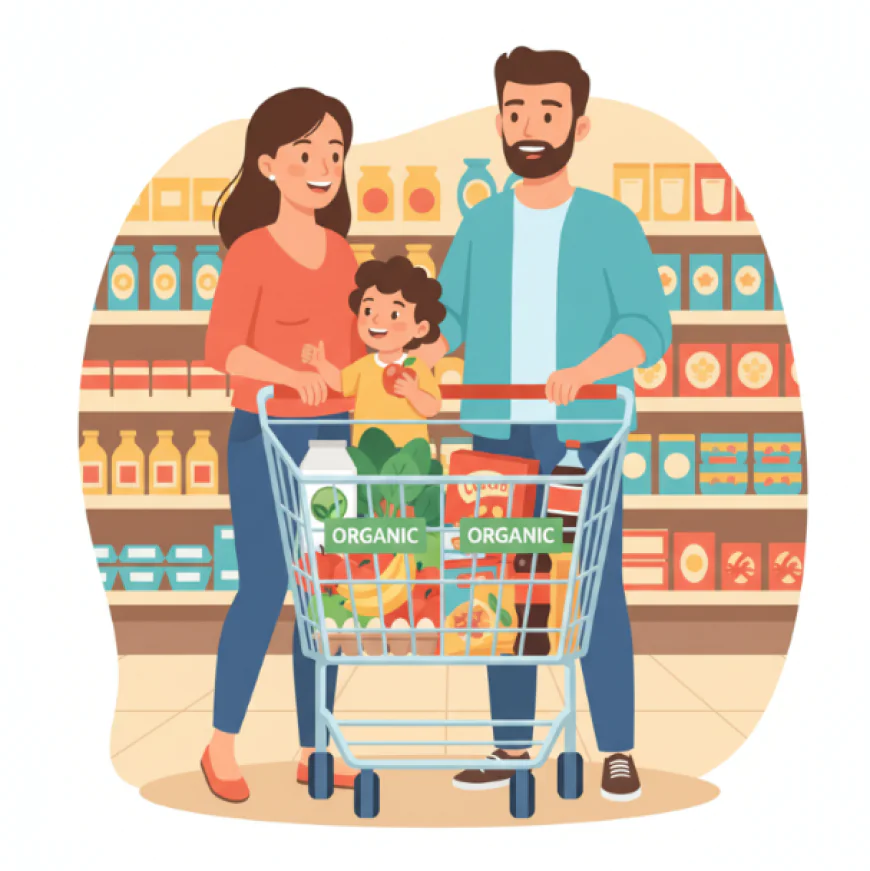
The “Organic” Trend in Parenting
More and more parents are choosing organic foods for their children, believing they are safer, more nutritious, and better for long-term health. However, organic products often come with a much higher price tag than conventional foods.
👉 This raises the question: are organic foods really worth the investment for kids?
What Are Organic Foods?
Organic foods are produced and processed under natural standards, minimizing or avoiding:
-
Chemical pesticides and fertilizers
-
Growth hormones and antibiotics
-
Artificial additives and preservatives
Many organic foods are certified by international organizations, ensuring transparency and safety.
Advantages of Organic Foods for Kids
-
Lower chemical exposure
-
Reduces the risk of pesticide and antibiotic residues.
-
-
Potentially higher nutrition
-
Some studies suggest organic fruits and vegetables may contain more antioxidants.
-
-
Eco-friendly farming
-
Organic agriculture helps protect soil quality and water resources.
-
-
Encourages healthy habits
-
Helps kids get used to natural, minimally processed foods.
-

Limitations and Risks to Consider
-
Higher cost: often 1.5–3 times more expensive than conventional foods.
-
Not always more nutritious: nutritional differences are not guaranteed across all products.
-
Shorter shelf life: spoils more quickly than conventional foods.
-
Limited availability: harder to find a wide variety for balanced meal planning.
How Parents Can Invest Wisely
-
Prioritize organic options for foods kids eat frequently and those prone to chemical residues: leafy greens, fruits with edible skins, milk, and meat.
-
For lower-risk items (like thick-skinned fruits such as bananas and oranges), conventional foods may be fine.
-
Combine organic and conventional foods to maintain a balanced, diverse diet.
-
Above all: choose fresh, safe foods with clear origins.

Organic foods offer benefits in terms of safety and environmental impact, but they are not always superior in nutrition. The decision to invest should depend on family budget, children’s needs, and trusted sources of supply.
👉 For young kids, instead of chasing “100% organic,” parents should focus on fresh, safe, and well-prepared foods—the true foundation for lifelong health.
What's Your Reaction?
 Like
0
Like
0
 Dislike
0
Dislike
0
 Love
0
Love
0
 Funny
0
Funny
0
 Angry
0
Angry
0
 Sad
0
Sad
0
 Wow
0
Wow
0