






Baby Skin and Air Pollution: How to Protect Sensitive Skin in Urban Environments
Air pollution can harm baby’s sensitive skin. Learn effects, risks, and essential skincare tips to protect infants in urban environments.
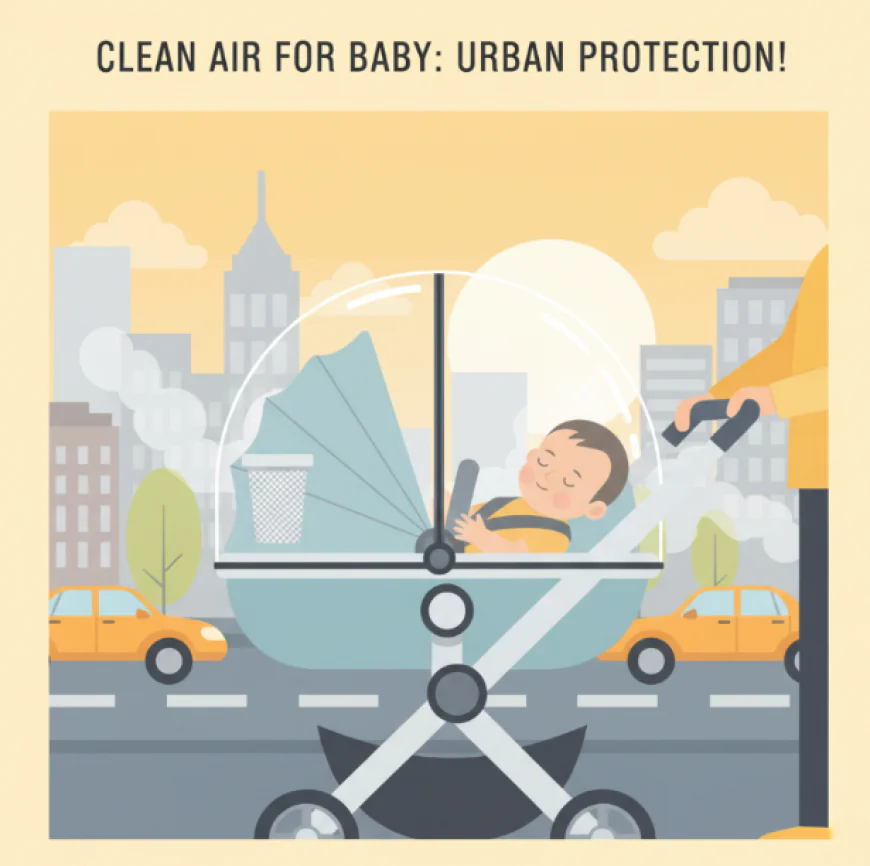
Delicate Skin Amid Urban Smog
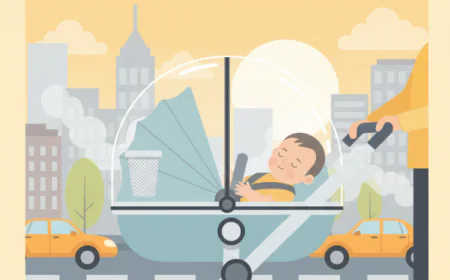
A baby’s skin is thinner and far more sensitive than that of adults. In urban environments, babies are exposed to fine dust, vehicle emissions, industrial pollutants, and poor air quality—all of which can cause irritation, dryness, and even skin conditions.
👉 Parents need to understand how to care for and protect their child’s sensitive skin against the growing threat of air pollution.
How Air Pollution Affects Baby’s Skin
-
Fine dust (PM2.5): easily attaches to and penetrates skin, causing inflammation and dryness.
-
Toxic emissions and chemicals: may trigger irritation, rashes, or redness.
-
UV rays combined with pollution: weaken the skin’s natural protective barrier.
-
Higher risk of skin conditions: such as eczema, dermatitis, and allergies.

Ways to Protect Sensitive Baby Skin in Cities
-
Daily cleansing: gently wash face and body with mild, fragrance-free baby cleansers.
-
Regular moisturizing: apply baby-safe moisturizers to maintain the skin barrier.
-
Limit direct exposure to smog and dust: use hats, thin scarves, or stroller covers when outside.
-
Safe sunscreen for babies: apply when outdoors, especially during peak sunlight hours.
-
Keep indoor air clean: use air purifiers and ventilate the house during cleaner air hours.

Tips for Choosing Baby Skincare Products
-
Opt for products free of fragrance, parabens, and alcohol.
-
Choose items specifically certified safe for newborns and infants.
-
Always test on a small patch of skin before full use to avoid allergic reactions.
When to See a Pediatric Dermatologist
-
If the baby develops persistent rashes, intense itching, or excessive skin peeling.
-
When regular skincare routines do not improve the condition.
-
If there are signs of eczema, severe irritation, or allergic reactions.
Air pollution poses a serious challenge to children’s skin health, especially in urban areas. With proper care, safe skincare choices, and a healthy living environment, parents can effectively protect and nurture their baby’s sensitive skin.
👉 Every small step matters—parents are the first line of defense against pollution for their child’s delicate skin.
What's Your Reaction?
 Like
0
Like
0
 Dislike
0
Dislike
0
 Love
0
Love
0
 Funny
0
Funny
0
 Angry
0
Angry
0
 Sad
0
Sad
0
 Wow
0
Wow
0