











Caring for Preterm Babies’ Sleep: What Parents Need to Know
Preterm babies need special sleep care. Learn their sleep patterns, influencing factors, and safe practices to help them grow healthy and strong.
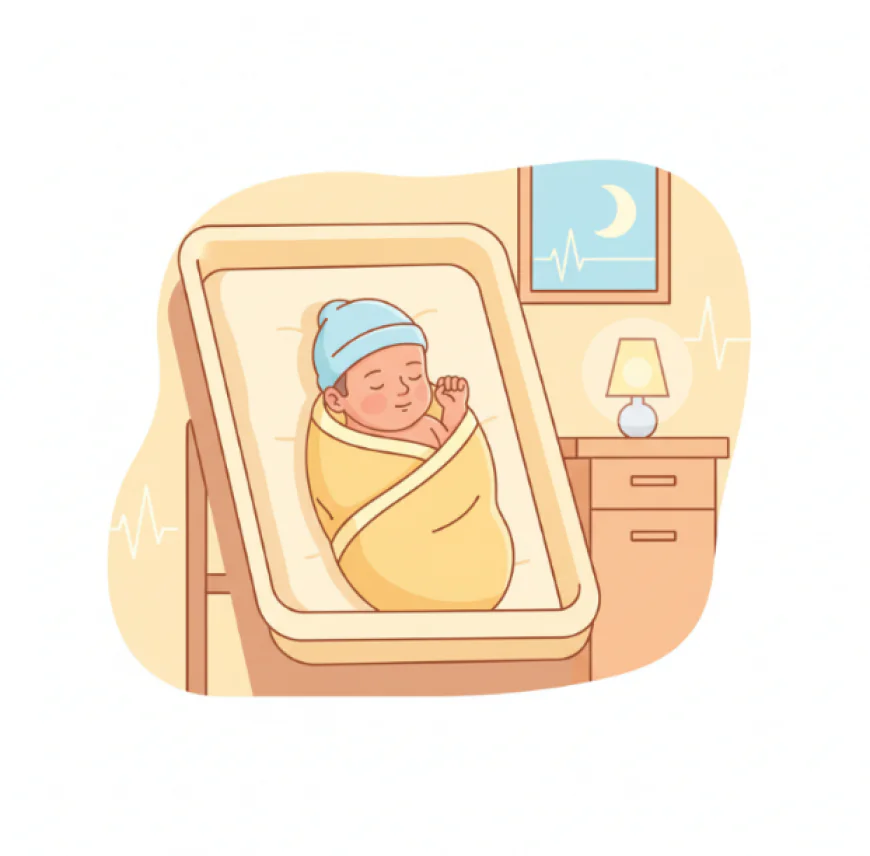
Sleep – The Golden Key for Preterm Babies
Babies born before 37 weeks (preterm) have underdeveloped bodies and nervous systems. This makes sleep a vital factor for recovery, brain growth, and immune strength. However, caring for a preterm baby’s sleep can be challenging. Parents need the right knowledge to create a safe and nurturing sleep environment.
Sleep Characteristics of Preterm Babies
-
Sleep longer than full-term babies, often 18–22 hours per day.
-
Short and irregular sleep cycles, with frequent waking.
-
Frequent body movements during sleep, due to immature nervous systems.
👉 Understanding these traits helps parents adjust care routines and reduce unnecessary worry.

Factors Affecting Preterm Babies’ Sleep
-
Environment
-
Light, noise, and room temperature can easily disrupt sleep.
-
-
Sleeping position
-
The back-sleeping position is often recommended to reduce the risk of Sudden Infant Death Syndrome (SIDS).
-
-
Frequent feeding needs
-
With smaller stomachs, preterm babies require more frequent feedings, both day and night, which interrupts sleep cycles.
-
How to Help Preterm Babies Sleep Better
-
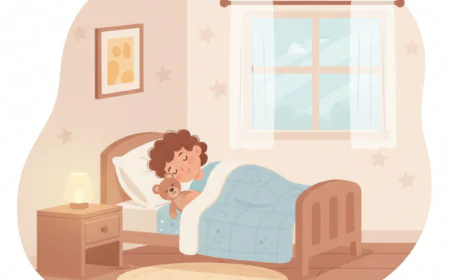
Keep the environment quiet with dim lighting during sleep times.
-
Maintain stable room temperature (around 26–28°C / 78–82°F).
-
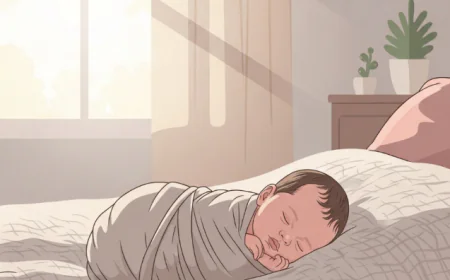
Always place babies on their backs, on a firm surface, with no soft pillows or toys nearby.
-
Establish early sleep routines: help babies distinguish day and night using natural light and regular schedules.
-
Practice skin-to-skin care (kangaroo care): it promotes bonding, regulates heartbeat, and improves sleep quality.

When Should Parents Be Concerned?
-
Persistent sleep difficulties with frequent startling or crying.
-
Signs of breathing issues: pauses, rapid breathing, or bluish skin during sleep.
-
Sleeping significantly less than recommended (under 16 hours/day for newborns).
👉 In these cases, parents should consult a pediatrician promptly.
For preterm babies, sleep is not only rest but also a critical process for healing and development. Parents can nurture healthier sleep by ensuring a safe environment, maintaining consistency, and monitoring unusual signs.
👉 Patience, care, and the right practices will help preterm babies grow stronger and thrive happily.
What's Your Reaction?
 Like
0
Like
0
 Dislike
0
Dislike
0
 Love
0
Love
0
 Funny
0
Funny
0
 Angry
0
Angry
0
 Sad
0
Sad
0
 Wow
0
Wow
0