












Caring for Your Baby During Teething: Fever and Sleepless Nights
Learn why babies may get fever and sleep problems during teething, and discover safe, gentle ways to comfort your little one. Practical tips for gum relief, fever management, and better sleep.
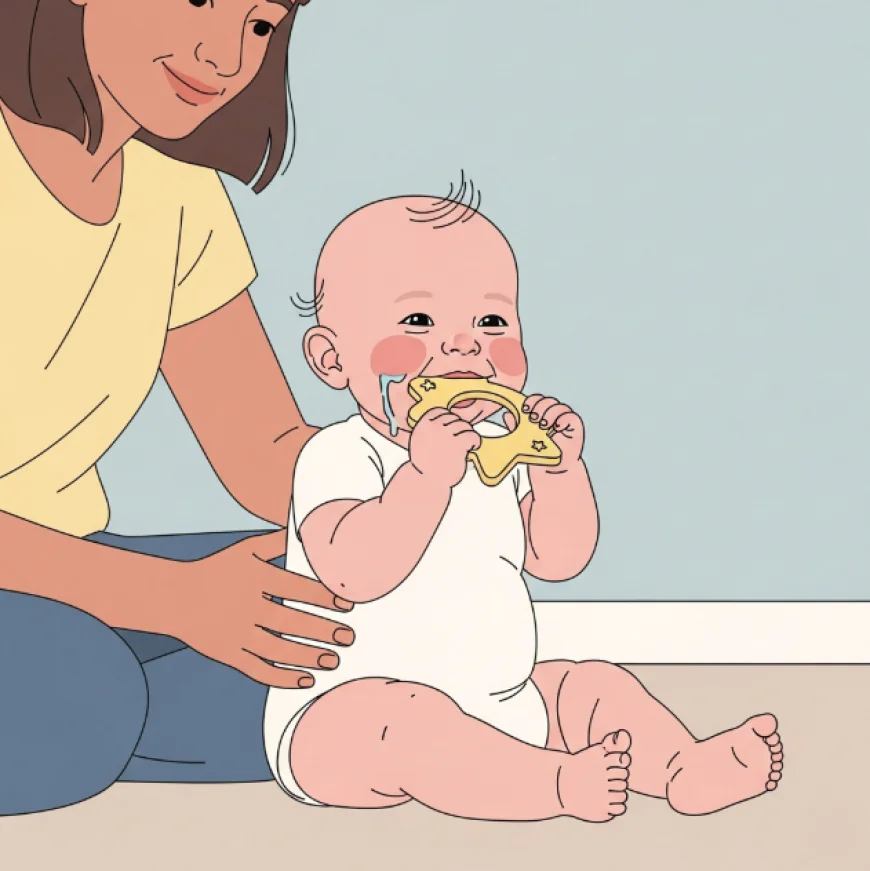
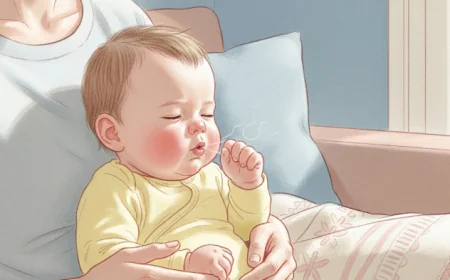
Teething is an exciting milestone, but it can also be a tough phase for both babies and parents. Many little ones experience mild fever, fussiness, drooling, and trouble sleeping during this stage. While it’s stressful to see your baby uncomfortable, most of these symptoms are not dangerous and can be managed safely at home.
Why Do Babies Get Fever and Sleep Problems During Teething?
-
Swollen, sore gums as teeth push through.
-
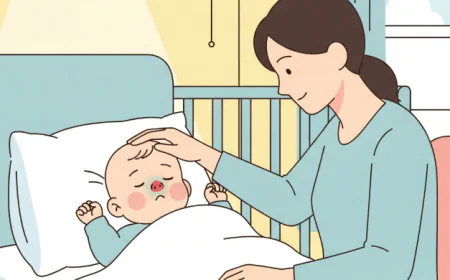
Mild inflammation that sometimes triggers low-grade fever.
-
Discomfort at night often makes sleep more restless.
-
Excess drooling may cause nasal congestion and irritability.
👉 Note: If your baby’s fever rises above 38.5°C (101.3°F) or comes with vomiting, diarrhea, or rash, it’s likely not from teething and you should call your doctor.
Signs Your Baby Is Teething
-
Excessive drooling.
-
Chewing or biting on objects.
-
Red or swollen gums, sometimes with white spots.
-
Irritability and frequent crying.
-
Poor sleep or reduced appetite.
How to Comfort Your Baby During Teething
-
Ease gum pain
-
Offer a chilled (not frozen) teething ring.
-
Give a clean, cool washcloth for gentle chewing.
-
Massage gums lightly with a clean finger.
-
-
Manage fever safely
-
For mild fever (< 38.5°C / 101.3°F): use warm sponge baths and keep your baby hydrated.
-
For higher fever: use doctor-approved fever reducers (paracetamol/ibuprofen).
-
-
Improve sleep quality
-
Keep the room cool, quiet, and dimly lit.
-
Feed or offer water before bedtime for comfort.
-
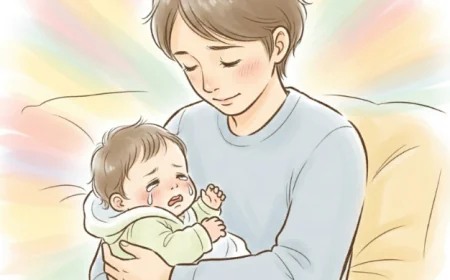
Provide gentle cuddles or rocking to help them relax.
-

When to See a Doctor
-
Fever above 38.5°C (101.3°F) lasting more than 2 days.
-
Severe symptoms: rash, persistent vomiting, or diarrhea.
-
Baby seems very lethargic, refuses to feed, or cries inconsolably.
Tips for Parents to Stay Calm
-
Remember that teething is natural and temporary.
-
Take turns caring for the baby to avoid exhaustion.
-
Keep a journal of teething milestones to track progress.

👉 Teething can bring fever and sleepless nights, but most symptoms are mild and manageable. With gentle gum relief, safe fever management, and extra comfort, parents can help their little one get through this phase more easily.
Most importantly, patience and loving care from parents are the best remedies.
What's Your Reaction?
 Like
0
Like
0
 Dislike
0
Dislike
0
 Love
0
Love
0
 Funny
0
Funny
0
 Angry
0
Angry
0
 Sad
0
Sad
0
 Wow
0
Wow
0