









When Your Baby Has a Cough: What’s Normal and When to See a Doctor
Not every cough in babies is dangerous. Learn when it’s normal, when to see a doctor, and gentle home remedies to soothe your child.
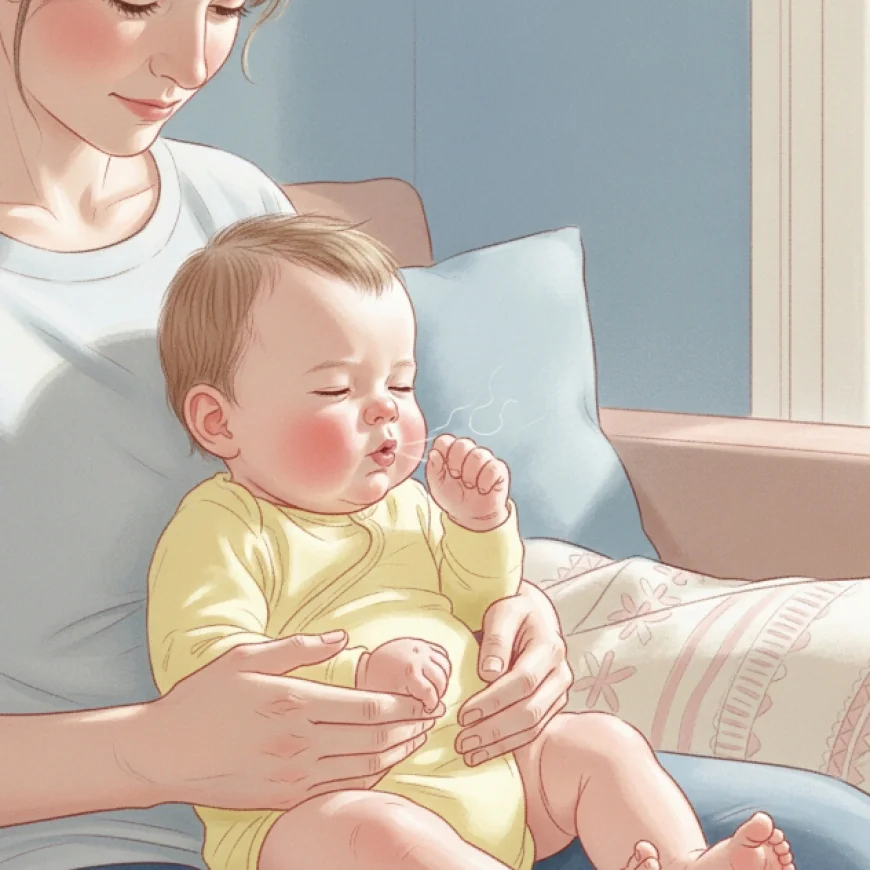
Coughing is a natural reflex that helps clear the airways of mucus, dust, or irritants. For babies and young children, it’s one of the most common symptoms that worries parents.
But not every cough means something serious. Some are completely normal and resolve on their own, while others may signal that it’s time to seek medical advice.
This guide will help you understand the difference between a normal cough and a warning sign, plus practical tips to comfort your little one when they’re coughing.
Why Do Babies and Kids Cough?
Common causes include:
-
Viral infections like colds or flu.
-
Upper respiratory tract infections such as sore throat, tonsillitis, or sinusitis.
-
Allergies or asthma with wheezing and chronic cough.
-
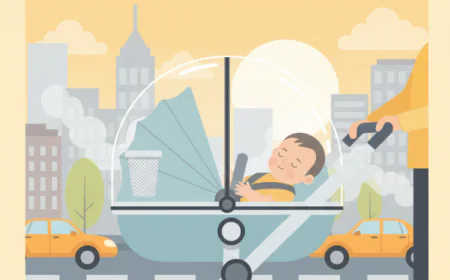
Environmental triggers such as smoke, dust, or dry air.
-
Reflux (GERD), especially when lying down.
👉 Most short-term coughs are caused by viruses and clear up within 7–10 days.
When Is a Cough Considered Normal?
Parents can relax if:
-
The cough is mild and follows a cold.
-
Your child still plays, eats, and drinks normally.
-
No high fever or breathing difficulty is present.
-
The cough doesn’t last longer than 2 weeks.
This type of cough usually shows the body’s natural defense at work.
When Should You See a Doctor?
👉 Call your pediatrician if your child has:
-
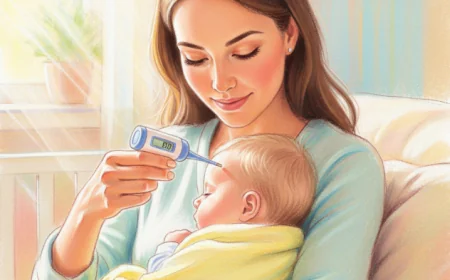
Fever above 38.5°C (101.3°F), or 38°C (100.4°F) in infants.
-
Rapid breathing, wheezing, or chest retractions.
-
A cough lasting longer than 2 weeks.
-
Coughing up blood or thick green/yellow phlegm.
-
Poor feeding, frequent vomiting, or unusual lethargy.
-
Distinctive coughs like barking cough (croup) or whooping cough.
How to Soothe a Cough at Home
-
Moist air: use a humidifier or place a bowl of water in the room.
-
Hydration: breast milk, formula, or water (for babies over 6 months).
-
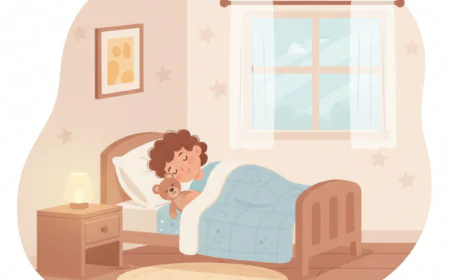
Elevate the head during sleep to reduce nighttime coughing.
-
Saline drops and nasal suction for congestion.
-
Avoid smoke, dust, and strong odors.
-
Never give over-the-counter cough medicine to young children without medical advice.
Preventing Cough in Children
-
Keep your child warm in changing weather.
-
Strengthen immunity with balanced meals rich in fruits and veggies.
-
Limit exposure to people with colds or flu.
-
Encourage frequent handwashing.

👉 A cough in children is often harmless, but parents should always watch for warning signs. Stay calm, comfort your baby, and seek medical advice when needed.
With gentle care at home and timely medical support, you can help your child recover safely and feel better sooner.
What's Your Reaction?
 Like
0
Like
0
 Dislike
0
Dislike
0
 Love
0
Love
0
 Funny
0
Funny
0
 Angry
0
Angry
0
 Sad
0
Sad
0
 Wow
0
Wow
0