









The Role of Essential Amino Acids in Kids’ Muscle and Brain Development
Essential amino acids are vital for kids’ muscle and brain development. Learn their roles, food sources, and tips to ensure balanced nutrition.
Amino Acids – The Building Blocks of Growth
Children’s bodies are in a rapid growth phase, requiring complete nutrition to build strong muscles, form brain cells, and maintain energy. Among key nutrients, essential amino acids—compounds the body cannot produce on its own and must obtain from food—play a critical role.
👉 Ensuring kids get enough amino acids helps them stay healthy, active, and sharp.
What Are Essential Amino Acids?
-
There are nine essential amino acids: histidine, isoleucine, leucine, lysine, methionine, phenylalanine, threonine, tryptophan, and valine.
-
They are vital for building muscles, producing hormones, supporting the immune system, and enabling healthy brain function.

Their Role in Kids’ Muscle Development
-
Growth and recovery
-
Leucine, isoleucine, and valine (BCAAs) support muscle growth and recovery after activity.
-
-
Energy supply
-
Amino acids can be converted into energy, keeping children active throughout the day.
-
-
Enzyme and hormone production
-
Lysine and methionine are essential for creating digestive enzymes and growth hormones.
-
Their Role in Kids’ Brain Development
-
Neural cell development
-
Histidine and phenylalanine contribute to neurotransmitter production.
-
-
Sleep and mood support
-
Tryptophan helps produce serotonin and melatonin, which regulate sleep and emotions.
-
-
Memory and focus enhancement
-
Amino acids, combined with vitamins and minerals, sustain effective brain function.
-

Kid-Friendly Sources of Essential Amino Acids
-
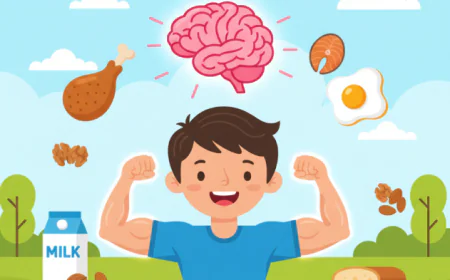
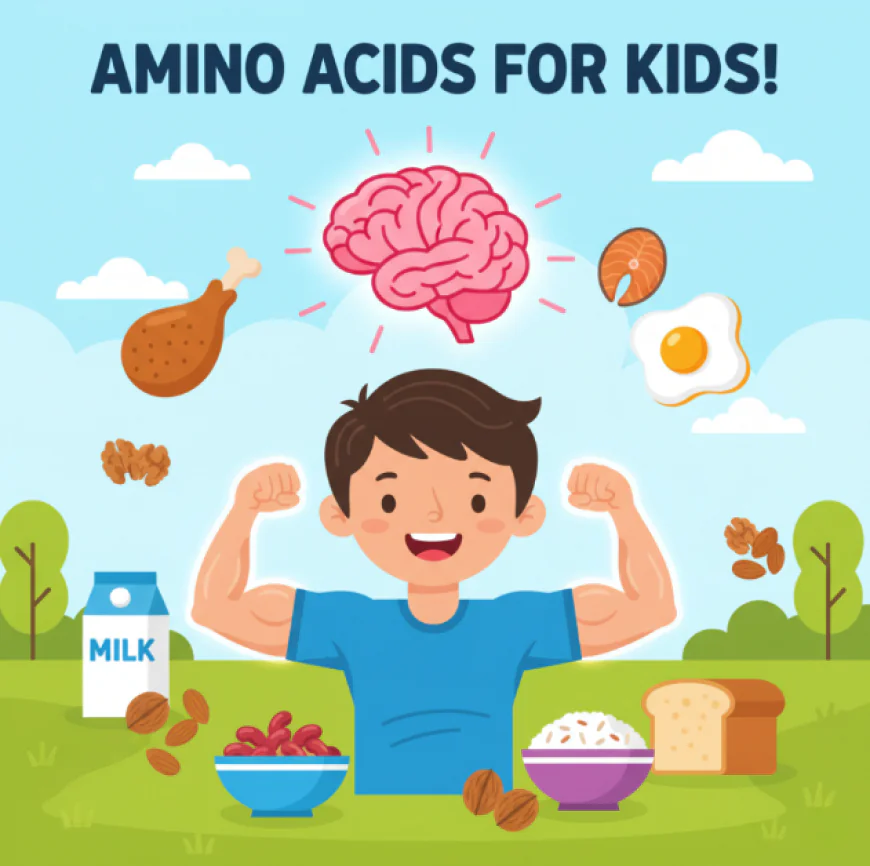
Meat and fish: chicken, beef, salmon, tuna.
-
Eggs and dairy: provide complete protein sources.
-
Legumes and nuts: soybeans, lentils, chia seeds, walnuts.
-
Whole grains: oats, brown rice, quinoa.
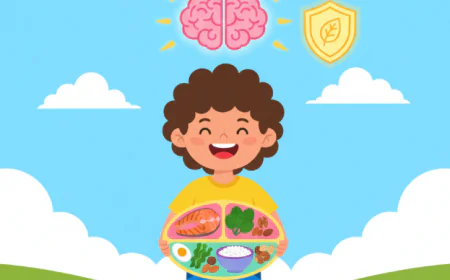
👉 A mix of both animal and plant-based proteins ensures kids get all nine essential amino acids.
Parent Tips
-
Provide protein from both animal and plant sources for balanced nutrition.
-
Never skip breakfast, as it is crucial for supplying energy and protein for the day.
-
Limit sugary snacks and refined carbs, which can disrupt overall nutrient balance.
Essential amino acids are the “foundation bricks” for building strong muscles and a sharp brain in children. With a balanced, protein-rich diet, parents can help kids thrive both physically and mentally.
👉 Every balanced meal today sets the stage for your child’s future health and success.
What's Your Reaction?
 Like
0
Like
0
 Dislike
0
Dislike
0
 Love
0
Love
0
 Funny
0
Funny
0
 Angry
0
Angry
0
 Sad
0
Sad
0
 Wow
0
Wow
0