













Preschool Naps: How Long Is Enough and When to Drop Them?
Preschool naps boost energy, learning, and growth. Learn how long kids should nap, signs it’s time to stop, and tips for healthy nap routines.
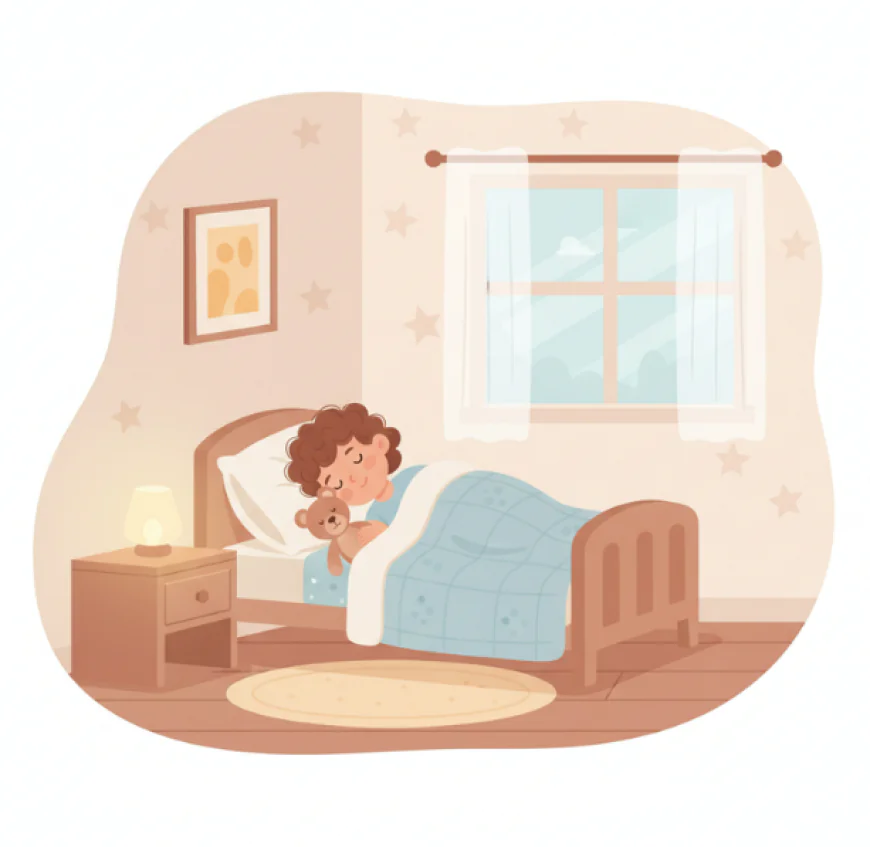
The Importance of Midday Rest
Naps aren’t just about recharging energy for preschoolers—they also support brain development, focus, and emotional balance. Yet many parents wonder how long a child should nap and when it might be time to stop napping without affecting their health.
👉 Understanding nap needs helps parents create a balanced daily routine that supports healthy growth.
Benefits of Napping for Preschoolers
-
Restores energy: helps kids stay alert and active in the afternoon.
-
Boosts learning and memory: sleep strengthens newly acquired knowledge.
-
Regulates emotions: well-rested kids are less irritable and more cooperative.
-
Supports physical growth: growth hormones are released during sleep, aiding development.
How Long Should Preschoolers Nap?
-
Ages 3–4: usually need about 1.5–2 hours of midday sleep.
-
Age 5: may need shorter naps, around 45–60 minutes.
-
After age 6: some children may stop napping if they get a solid 10–11 hours of night sleep.
👉 Each child is different—parents should observe and adjust based on their child’s needs.

When Is It Time to Drop Naps?
-
The child has trouble falling asleep at night if the nap is too long.
-
The child shows no signs of sleepiness at midday and stays energetic all day.
-
The child is over 6 years old and consistently gets quality nighttime sleep of 10–11 hours.
Tips for Better Nap Quality
-
Set a consistent routine: schedule naps at the same time daily (often 12–1 p.m.).
-
Create a quiet, comfortable space: keep noise low and block harsh light.
-
Avoid heavy meals or excess fluids right before nap time.
-
Provide familiar comfort items: a favorite blanket or pillow helps children feel secure.
-
Keep naps within limits: avoid overly long naps that disrupt nighttime sleep.

Naps play a vital role in preschoolers’ development, though needs change with age. Parents should adjust nap duration flexibly based on their child’s sleep quality and habits.
👉 A well-balanced nap routine supports not only energy levels but also physical growth, learning, and emotional well-being.
What's Your Reaction?
 Like
0
Like
0
 Dislike
0
Dislike
0
 Love
0
Love
0
 Funny
0
Funny
0
 Angry
0
Angry
0
 Sad
0
Sad
0
 Wow
0
Wow
0