









How to Recognize and Respond to Ear Infections in Young Children
Ear infections are common in young children, often causing pain, fever, and sleepless nights. This guide helps parents recognize early signs, provide safe home comfort, and know when to seek medical care.
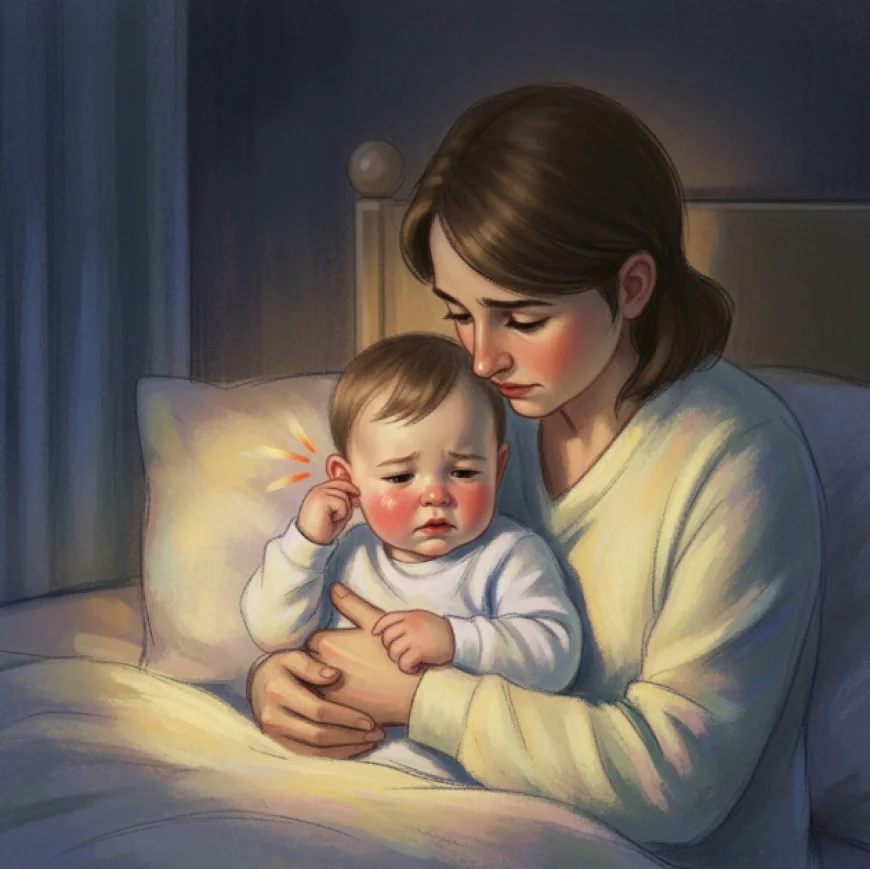
Ear infections are one of the most common health concerns in babies and toddlers. Because their immune systems are still developing and their ear structures are more delicate, young children are more vulnerable to ear infections. While most cases are not dangerous, untreated infections can affect hearing and even delay speech development. This guide will help parents recognize early signs, manage discomfort at home, and know when to see a doctor.
Common Causes of Ear Infections in Children
-
Colds and respiratory infections: Viruses or bacteria can spread to the middle ear.
-
Short, narrow ear tubes: Easier for fluid to get trapped in young children.
-
Allergies or nasal inflammation: Block fluid drainage, increasing risk.
-
Feeding while lying down: Milk may flow into the ear canal.
Signs Your Child May Have an Ear Infection
-
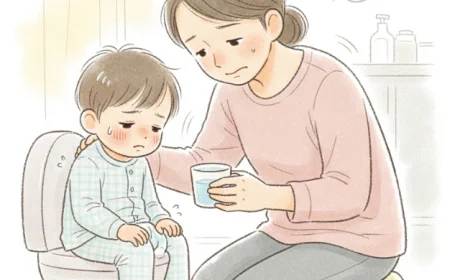
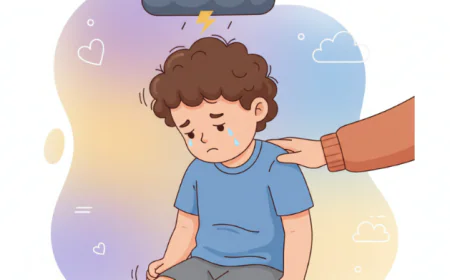
Frequent crying, especially at night.
-
Pulling or rubbing the ears repeatedly.
-
Fever (mild or high).
-
Refusing food or breastfeeding due to pain when swallowing.
-
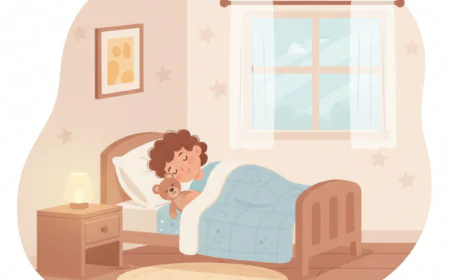
Trouble sleeping and frequent waking.
-
Fluid draining from the ear (yellow or pus-like).
-
Temporary hearing loss (not reacting to sounds).
Safe Home Care for Ear Discomfort
-
Warm compress: Apply a warm cloth over the ear for 10–15 minutes.
-
Hydration: Offer water or breast milk to thin mucus and ease pressure.
-
Elevated sleeping position: Helps reduce ear pressure.
-
Saline nasal drops: Clear the nose and improve breathing.
-
Avoid self-medicating: Never give antibiotics or ear drops without a doctor’s advice.

When to See a Doctor
-
Fever above 38.5°C (101.3°F).
-
Persistent crying and severe pain.
-
Ear discharge or foul-smelling fluid.
-
Frequent recurring infections.
-
Signs of hearing loss or delayed speech.
Doctors may recommend pain relief, antibiotics, or follow-up monitoring depending on the case.
Prevention Tips for Parents
-
Hold your baby upright during feeding.
-
Avoid secondhand smoke and polluted environments.
-
Stay up to date with vaccinations.
-
Keep your child’s nose and throat clean with saline spray.
-
Dry the ears gently after bathing or swimming.

Ear infections can be stressful, but with calm observation and proper care, most children recover quickly without complications. Remember: trust your instincts, seek medical care when needed, and don’t panic. A child’s smile after relief from pain is the best reassurance for parents.
What's Your Reaction?
 Like
0
Like
0
 Dislike
0
Dislike
0
 Love
0
Love
0
 Funny
0
Funny
0
 Angry
0
Angry
0
 Sad
0
Sad
0
 Wow
0
Wow
0