


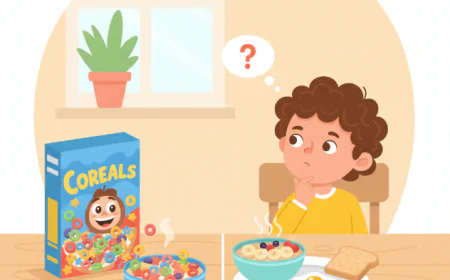

Signs of Emotional Overload in Children and How Parents Can Help Them Self-Soothe
Emotional overload in kids can lead to tantrums or withdrawal. Learn signs, causes, and parent strategies to help children self-soothe effectively.
Big Feelings in Small Bodies
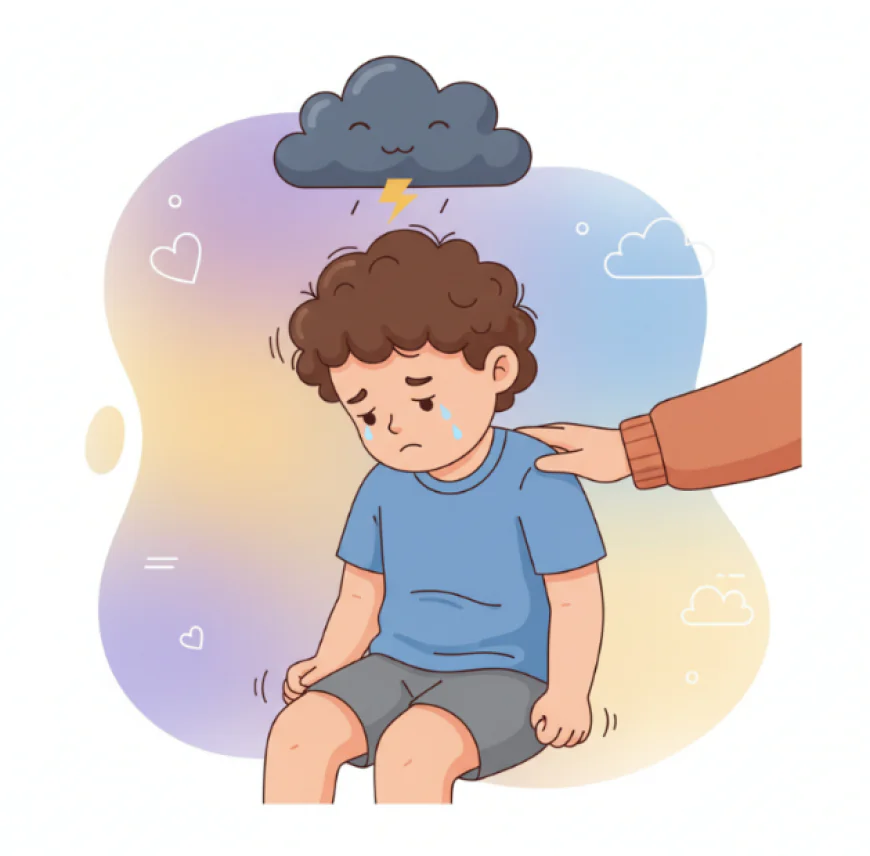
Young children often lack the skills to manage or express their emotions effectively. When faced with too much stimulation or uncomfortable situations, they may experience emotional overload. Without the right support, this can lead to tantrums, crying, or withdrawal.
👉 Recognizing the signs and teaching kids how to self-soothe helps parents raise emotionally balanced and resilient children.
Signs of Emotional Overload in Kids
-
Uncontrollable crying – crying loudly and continuously despite comfort.
-
Tantrums – stomping feet, throwing objects, yelling when frustrated or denied something.
-
Withdrawal or silence – some children shut down and avoid interaction when overwhelmed.
-
Physical signs – clenched fists, nail-biting, trembling, sleep difficulties, or unexplained stomach aches.
-
Behavioral changes – suddenly becoming clingy, refusing food, or acting out of character.

Common Causes of Emotional Overload
-
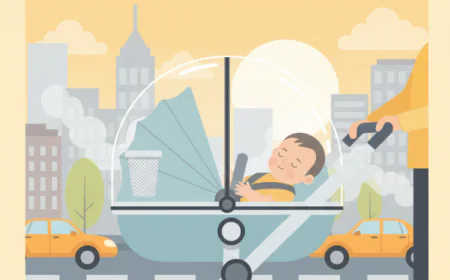
Overstimulation: loud noises, crowds, or unfamiliar environments.
-
Sudden transitions: shifting quickly from playtime to bedtime or leaving a favorite place.
-
Basic needs unmet: hunger or lack of sleep increases sensitivity.
-
Family stress: children easily absorb tension from parents.
How Parents Can Help Kids Self-Soothe
-
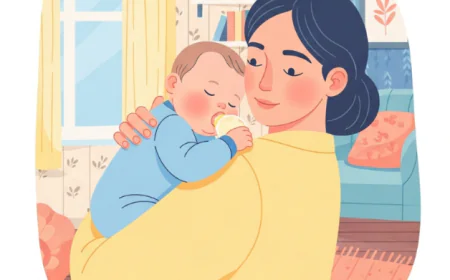
Stay calm – parents are emotional role models; showing calmness reassures the child.
-
Provide a safe space – move the child to a quiet, less stimulating area.
-
Practice deep breathing together – model slow breathing for the child to follow.
-
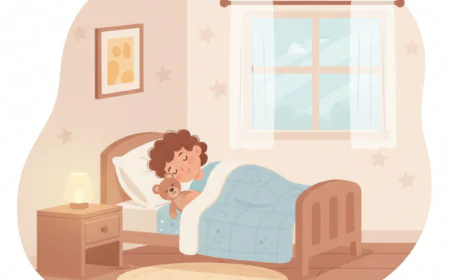
Offer comfort objects – a stuffed toy, favorite blanket, or calming music.
-
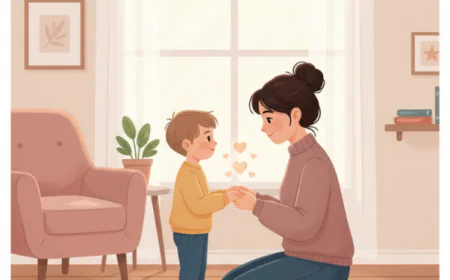
Validate feelings – say, “I know you’re upset/angry, and that’s okay” to show understanding.
-
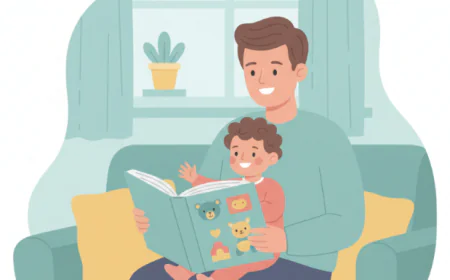
Build self-soothing routines – such as reading, gentle music, or cuddling during stressful moments.

When to Seek Professional Help
If emotional outbursts are frequent, involve aggression, or come with excessive anxiety, parents should consult a child psychologist for guidance.
Children’s emotions can be powerful and unpredictable. But with patience and the right guidance, parents can teach their kids to self-soothe and build emotional regulation skills—a foundation for healthy psychological and social development.
👉 Supporting children in both actions and emotions is how parents nurture strong and resilient hearts.
What's Your Reaction?
 Like
0
Like
0
 Dislike
0
Dislike
0
 Love
0
Love
0
 Funny
0
Funny
0
 Angry
0
Angry
0
 Sad
0
Sad
0
 Wow
0
Wow
0