










Sensory Development in Babies 0–12 Months: What Parents Can Do
Learn how babies develop senses in the first year and discover simple ways parents can support sight, hearing, touch, taste, and smell at home.
When the World Is All New
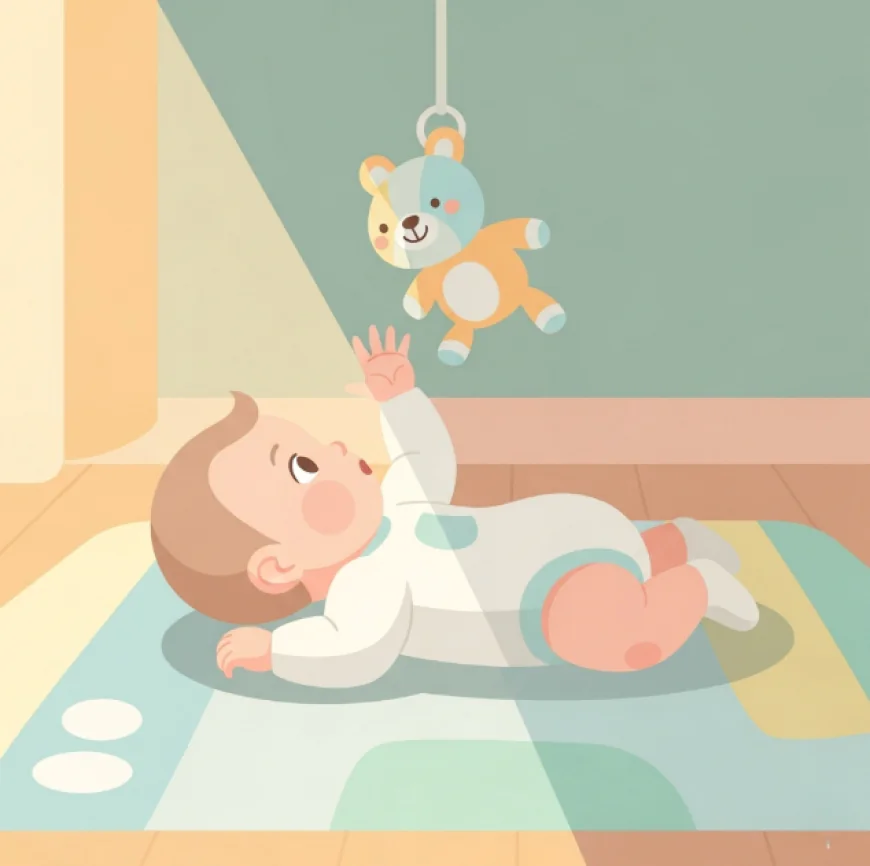
From the moment they are born, babies begin to explore the world through their five senses: sight, hearing, touch, taste, and smell. These senses are not fully developed at birth and need the right kind of stimulation to grow.
👉 Parents play a vital role as the “bridge” that helps their baby discover the world in a safe, loving, and enriching way. Supporting sensory development early on builds the foundation for cognitive growth, emotional balance, and curiosity.
Sensory Development Stages in the First Year
-
0–3 months
-
Vision is blurry; babies focus on faces and high-contrast patterns.
-
Sensitive to familiar voices.
-
Touch is the most important sense — they need holding and skin-to-skin contact.
-
-
4–6 months
-
Begins recognizing bright colors.
-
Responds to playful sounds and music.
-
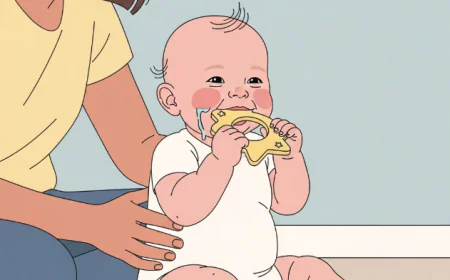
Explores objects by grabbing and mouthing.
-
-
7–9 months
-
Recognizes familiar faces with focus.
-
Enjoys toys with sounds or music.
-
Develops touch through banging, tapping, and grasping.
-
-
10–12 months
-
Coordinates multiple senses at once (look–listen–touch).
-
Starts imitating sounds and responds when called.
-
Tries new foods, expanding taste and smell.
-
How Parents Can Support Sensory Growth
-
Vision: use high-contrast toys, create bright, safe spaces.
-
Hearing: talk often, sing lullabies, read stories, play gentle music.
-
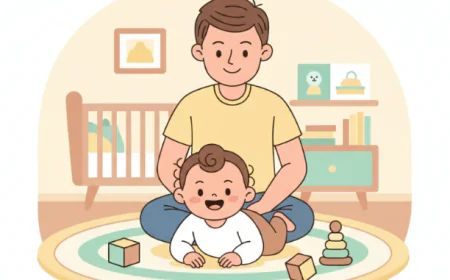
Touch: daily skin-to-skin, offer safe textures like soft cloth or baby toys.
-
Taste & Smell: during weaning, introduce natural foods and mild scents.
💡 Always observe your baby’s reactions. Don’t force if they seem uncomfortable.
Common Mistakes to Avoid
-
Overexposure to loud noises → can cause fear or distress.
-
Giving unsafe objects for exploration.
-
Forcing food or smells before the baby is ready.
-
Comparing babies too much — every child develops at their own pace.

Nurturing the Senses with Love
👉 Sensory development in the first year doesn’t require complicated tools. What babies need most is love, patience, and consistent interaction.
Every cuddle, every lullaby, every smile is a powerful “nutrient” for your baby’s senses. When parents engage, babies feel safe to explore and grow into curious, confident little humans.
What's Your Reaction?
 Like
0
Like
0
 Dislike
0
Dislike
0
 Love
0
Love
0
 Funny
0
Funny
0
 Angry
0
Angry
0
 Sad
0
Sad
0
 Wow
0
Wow
0