










Secrets to Staying Calm When Your Child Gets Sick Again and Again
Practical tips for parents to stay calm when their baby keeps getting sick. Learn common causes, safe home care, when to see a doctor, and ways to protect emotional well-being.

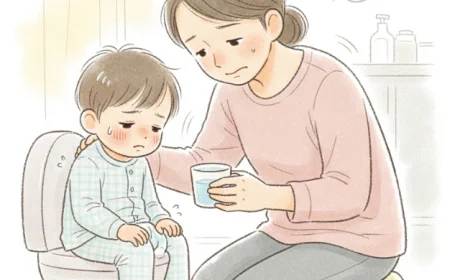
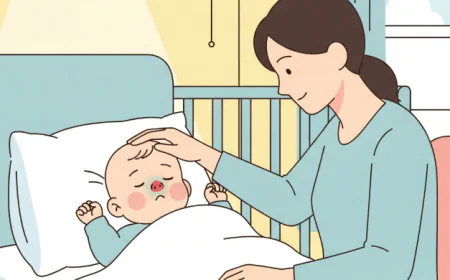
For parents, nothing feels more heartbreaking than seeing their child sick. And when it happens repeatedly—colds, fevers, coughs, or fatigue several times a year—the worry and stress can build up. Some parents feel drained, anxious, or even panicked, fearing something more serious is wrong.
The truth is that frequent illness is common in young children, especially as their immune systems are still developing and they start daycare or interact with new environments. Here’s how parents can stay calm, respond effectively, and care for their little one with more confidence.
Understand That Frequent Illness Is Normal
Pediatric experts note that children may catch 6–8 colds per year, often with mild fevers or respiratory infections. This is part of how the immune system “trains” itself to get stronger. Knowing this helps parents reduce unnecessary fear and avoid overreacting.
Prepare With Knowledge and Basic Skills
-
Learn how to measure temperature and monitor dehydration signs.
-
Keep track of frequency, symptoms, and duration of illnesses.
-
Know the difference between conditions manageable at home and those requiring a doctor’s visit.
Preparation brings confidence and reduces panic.
Strengthen Your Mental Resilience
-
Breathe deeply: Take a few calming breaths when symptoms start.
-
Focus on solutions: Replace “Why is my child sick again?” with “What can I do to help my child feel better now?”
-
Filter information: Avoid overwhelming online searches—stick to reliable sources like WHO, UNICEF, or your pediatrician’s advice.
Create an “Action Plan” for Sick Days
-
Keep a basic medical kit: thermometer, fever medication prescribed by your doctor, oral rehydration solution.
-
Have emergency contacts visible: pediatrician’s number on the fridge or phone.
-
Share responsibilities: involve your partner or grandparents to reduce pressure.
A ready plan makes parents calmer and quicker to act.

Manage Your Own Stress
Healthy parents make better caregivers. Try:
-
Resting whenever possible and asking for help.
-
Eating balanced meals to maintain your immunity.
-
Practicing light exercise or 5–10 minutes of meditation daily.
When to Seek Medical Help
See a doctor if your child:
-
Has persistent high fever.
-
Vomits or has diarrhea repeatedly with dehydration signs.
-
Breathes rapidly, has difficulty breathing, or bluish lips/skin.
-
Appears unusually drowsy, refuses all food/drink, or cries inconsolably.

Frequent illnesses in childhood can test any parent’s patience. But by staying calm, preparing in advance, and taking care of your own well-being, you can handle these challenges with more confidence.
💡 Remember: There’s no such thing as a perfect parent—but calmness and love are the most powerful medicine you can give your child.
What's Your Reaction?
 Like
0
Like
0
 Dislike
0
Dislike
0
 Love
0
Love
0
 Funny
0
Funny
0
 Angry
0
Angry
0
 Sad
0
Sad
0
 Wow
0
Wow
0