










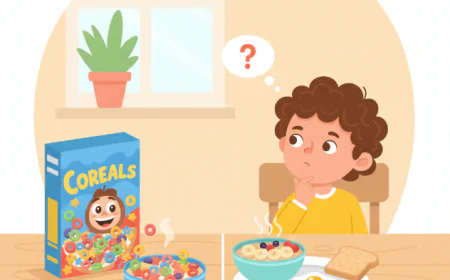

Healthy Eating Habits: Building a Strong Foundation for Children’s Health
Discover why healthy eating habits in childhood are the foundation of lifelong health. Learn daily nutrition needs by age, kid-friendly foods, and practical tips for parents.
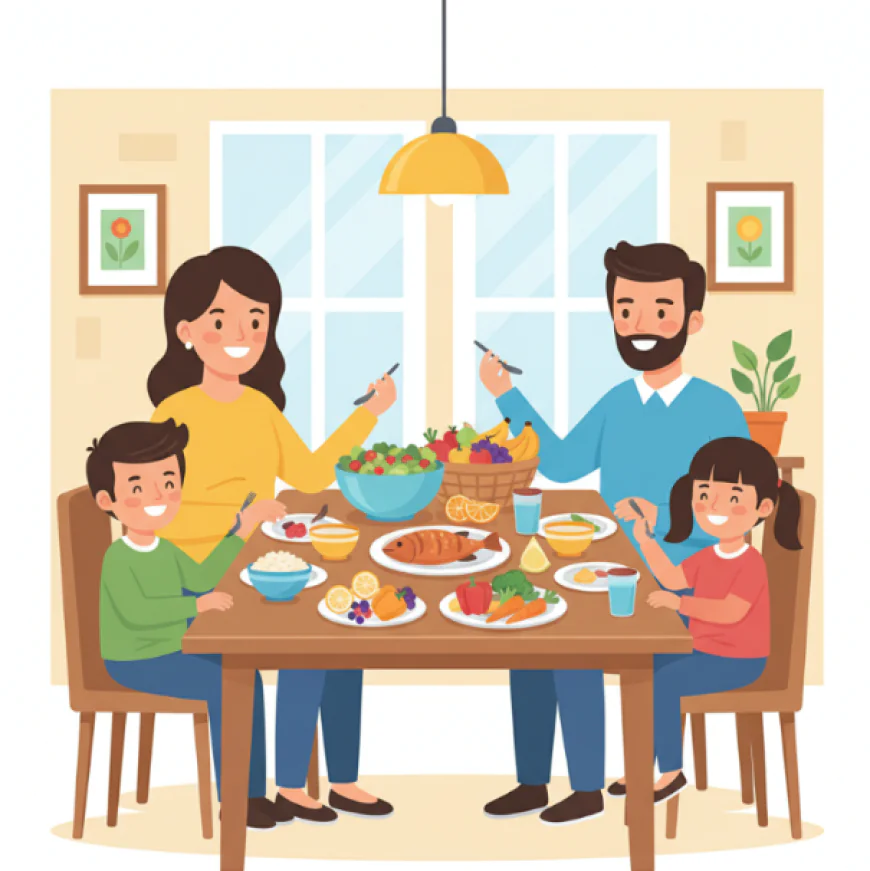
Eating Habits as the “Foundation” of Health
In early childhood, nutrition is more than just filling small stomachs—it builds the foundation for long-term health. The way children eat today directly influences their growth, learning ability, and future risk of disease.
👉 According to the World Health Organization (WHO), over 39 million children under age 5 were overweight or obese in 2023. The main reasons include frequent consumption of processed foods, limited vegetable intake, and excessive sugar. This makes it crucial for parents to shape healthy eating habits from the very beginning.
Why Healthy Eating Matters for Kids
Supports Physical Growth
Children need protein to build muscles, calcium and vitamin D for strong bones, and micronutrients like iron and zinc to stay energized. Any nutritional gap can affect both height and weight.
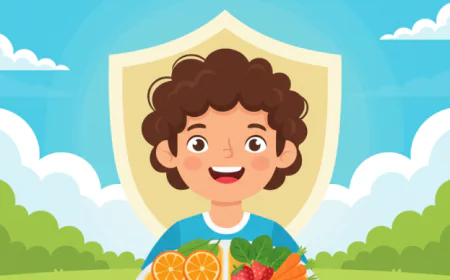
Strengthens Immunity
Fruits and vegetables provide vitamins A, C, and E, along with antioxidants that help the body fight infections. A colorful plate usually means stronger immune defenses.
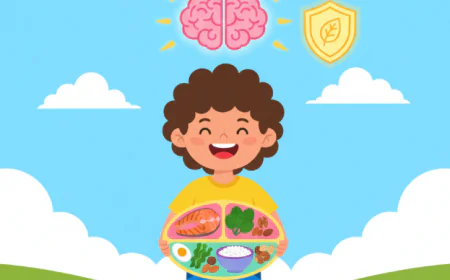
Boosts Brain Development
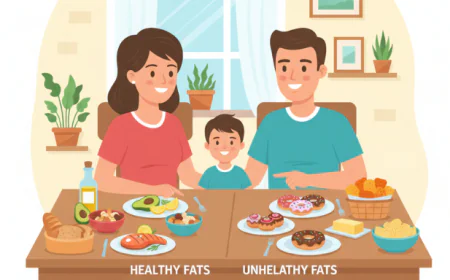
Healthy fats from fish, seeds, and plant oils play a vital role in brain growth and memory. Children lacking omega-3s often struggle with focus and learning.
Prevents Chronic Diseases Later
Studies show that children who maintain a stable weight, eat more fiber, and consume less sugar from an early age have a reduced risk of type 2 diabetes and heart disease as adults.
Daily Nutrition Needs by Age
-
Ages 1–3:
-
19g fiber/day
-
Focus on iron-rich foods (red meat, lentils, leafy greens)
-
Multiple small meals for easier digestion
-
-
Ages 4–8:
-
1,200–1,800 calories/day depending on activity
-
2 cups of vegetables, 1.5 cups of fruit daily
-
Include milk, eggs, and fish for balanced growth
-
-
Ages 9–13:
-
25–31g fiber/day
-
1,600–2,200 calories/day
-
Ensure a balance of whole grains, lean protein, and vegetables
-
👉 Each child has unique needs. Parents should consult a pediatrician or nutritionist if they notice unusual weight gain or loss.

Kid-Friendly Healthy Food Choices
-
Fruits: apples, bananas, mangoes, strawberries, blueberries
-
Vegetables: broccoli, sweet potato, spinach, carrots
-
Whole grains: oats, brown rice, whole wheat bread
-
Healthy proteins: fish, chicken, eggs, tofu, lentils
-
Healthy fats: avocado, olive oil, chia seeds, walnuts

Practical Ways to Encourage Healthy Eating
-
Make meals fun:
-
Create colorful sushi rolls or rainbow fruit skewers.
-
Use cookie cutters to shape vegetables into stars and hearts.
-
-
Be a role model:
-
If parents eat vegetables, kids are more likely to follow.
-
Family meals create a positive food environment.
-
-
Smart swaps:
-
Soda → fruit-infused water
-
Packaged snacks → lightly salted popcorn or nuts
-
Candy → oatmeal cookies or dried fruit
-
-
Encourage, don’t force:
-
Let kids try small portions repeatedly.
-
Respect preferences while gradually expanding food variety.
-
Helpful Tips for Parents
-
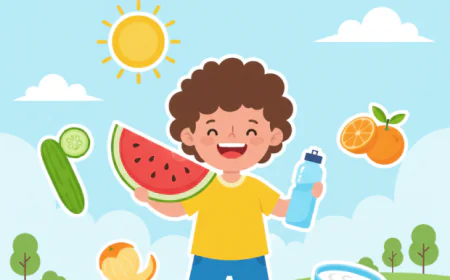
Encourage children to drink enough water daily.
-
Avoid screens (TV, phones) during mealtimes to keep kids focused.
-
Don’t use sweets as a “reward.”
-
Build the habit of eating breakfast every day.
-
Keep a simple food diary to track nutrition intake.
Shaping the Future One Meal at a Time
Healthy eating habits can start with small steps: a bowl of oatmeal for breakfast, a lunchbox with extra veggies, or a family dinner at the table. These choices, repeated daily, form the foundation of lifelong health and happiness for your child.
What's Your Reaction?
 Like
0
Like
0
 Dislike
0
Dislike
0
 Love
0
Love
0
 Funny
0
Funny
0
 Angry
0
Angry
0
 Sad
0
Sad
0
 Wow
0
Wow
0