










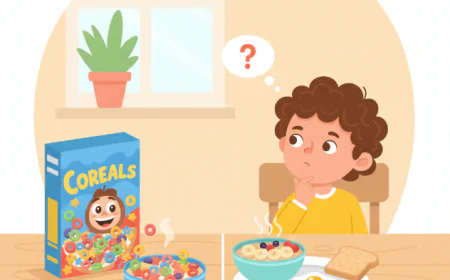

Common Allergenic Foods in Children and How to Introduce Them Safely
Food allergies in children can be serious. Learn about common allergenic foods, safe ways to introduce them, and when to seek medical advice for your child.
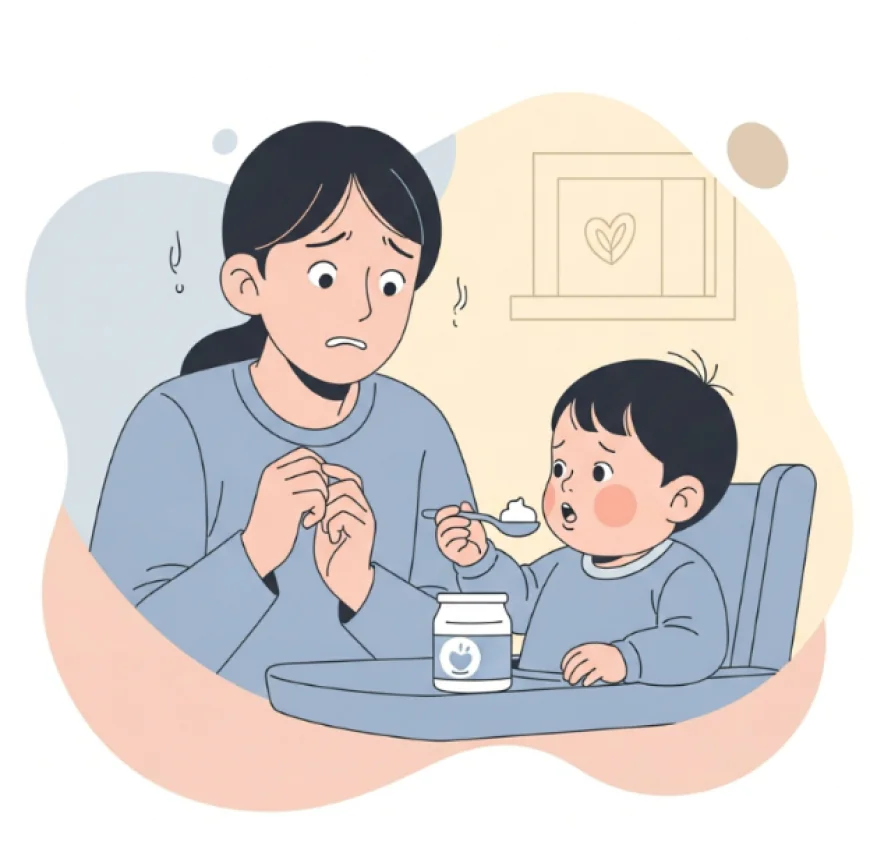
Food Allergies in Kids – A Parent’s Concern
Food allergies are among the most common issues in young children, especially during weaning and the early years. Since a child’s immune system is still developing, it may overreact to certain foods.
👉 Around 6–8% of children under age 3 experience food allergies. While many outgrow them, parents must still remain cautious.
Common Allergenic Foods for Children
The most frequent culprits include:
-
Cow’s milk: often triggers rashes, diarrhea, or breathing issues in infants.
-
Eggs: especially the egg whites.
-
Peanuts and tree nuts (cashews, walnuts, almonds).
-
Soy: hidden in many processed foods.
-
Wheat (gluten): can cause mild to severe reactions.
-
Seafood: shrimp, crab, fish, shellfish.
Signs of Food Allergies in Kids
Parents should watch for symptoms after introducing a new food:
-
Skin reactions: rash, hives, itching.
-
Swelling of lips, tongue, or face.
-
Vomiting, abdominal pain, diarrhea.
-
Coughing, wheezing, or breathing difficulty.
-
Severe case: anaphylaxis (requires emergency care).
Safe Ways to Introduce Allergenic Foods
-
One at a time: easier to identify triggers.
-
Start small: ½ teaspoon, then gradually increase.
-
Introduce during the day: so reactions can be monitored.
-
Don’t mix multiple new foods at once.
-
Wait 3 days before trying another new food.
When to See a Doctor
-
If your child shows severe symptoms like difficulty breathing, swelling, or persistent vomiting.
-
If there is a family history of severe allergies (e.g., asthma, eczema, peanut allergy).
-
For professional advice on replacing eliminated foods with safe alternatives.

👉 Food allergies are real, but with careful steps, parents can keep children safe without limiting variety.
The key is observe – be patient – prevent risks. This approach allows kids to enjoy a wide range of foods while staying healthy and confident.
What's Your Reaction?
 Like
0
Like
0
 Dislike
0
Dislike
0
 Love
0
Love
0
 Funny
0
Funny
0
 Angry
0
Angry
0
 Sad
0
Sad
0
 Wow
0
Wow
0