










The Role of Micronutrients: Iron, Zinc, and Vitamin D in Your Child’s Development
Learn why iron, zinc, and vitamin D are essential for your child’s growth, immunity, and brain health. Food sources, signs of deficiency, and safe tips.
Parents’ Constant Worry
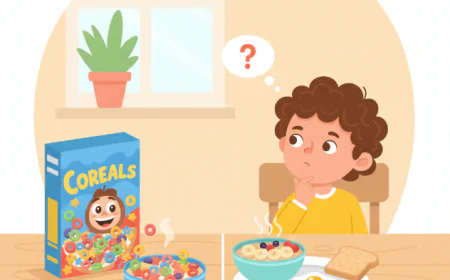
Many parents often wonder: “Is my child getting enough nutrients? Should I add supplements? What if they’re missing something important?”
The truth is, micronutrients—though small in quantity—play a huge role in your child’s health. Iron, zinc, and vitamin D are especially critical during early childhood, when growth is rapid and bodies are more vulnerable to deficiencies.
👉 A lack of these nutrients can cause fatigue, frequent illness, slow growth, or delayed learning. On the other hand, ensuring enough micronutrients can boost energy, immunity, brain function, and confidence in children.
This guide explains the role of iron, zinc, and vitamin D, signs of deficiency, food sources, and safe supplementation practices, so parents can feel reassured and informed.
Why Micronutrients Matter for Children
-
Children grow fast and need higher nutrient density than adults.
-
Their bodies don’t store much, so daily intake is essential.
-
Micronutrients influence brain development, immunity, and bone strength—all crucial for long-term health.
Iron: Fuel for Blood and Brain
Role
-
Essential for hemoglobin, carrying oxygen to organs.
-
Supports brain development, focus, and memory.
Deficiency
-
Leads to anemia, pale skin, frequent tiredness.
-
Weakens immunity, delays cognitive growth.
Food Sources
-
Heme iron (easily absorbed): beef, lamb, liver.
-
Non-heme iron: lentils, spinach, fortified cereals.
-
Pair with vitamin C foods (oranges, tomatoes) to boost absorption.
Supplementation
-
Recommended for premature babies or children with poor growth.
👉 Always consult a pediatrician before giving iron supplements.

Zinc: The Growth and Immunity Booster
Role
-
Involved in over 300 enzymes.
-
Helps wounds heal, strengthens immunity.
-
Supports taste buds and appetite—making children eat better.
Deficiency
-
Loss of appetite, poor growth.
-
More frequent infections.
-
Hair loss, dry skin.
Food Sources
-
Poultry, beef, seafood (especially oysters, crab).
-
Whole grains, nuts, seeds.
Supplementation
-
Too much zinc can cause nausea and affect copper absorption.
-
Prioritize food first; supplements only under medical advice.
Vitamin D: Sunshine for Strong Bones
Role
-
Helps absorb calcium and phosphorus for bone and teeth growth.
-
Supports immunity and muscle function.
Deficiency
-
Rickets (soft bones), delayed walking, slow tooth eruption.
-
More respiratory infections.
Food Sources
-
Sunlight (10–15 minutes in the morning).
-
Salmon, mackerel, egg yolks.
-
Fortified milk and cereals.
Supplementation
-
Needed for children living in low-sunlight areas.
-
Breastfed infants may require vitamin D drops if mothers are deficient.
Advice for Parents
-
Focus on a balanced, diverse diet with plenty of whole foods.
-
Don’t overload with multiple supplements at once.
-
Track growth regularly with pediatric checkups.
-
Seek medical advice before starting any supplement.

Small Nutrients, Big Impact
Iron, zinc, and vitamin D may be small in size, but their impact on your child’s health is enormous.
👉 The key is balance, not excess. Parents don’t need to obsess over every gram—just ensure a variety of healthy foods, monitor growth, and consult professionals when in doubt.
With the right care, children can grow strong, resilient, and ready to explore the world with confidence.
What's Your Reaction?
 Like
0
Like
0
 Dislike
0
Dislike
0
 Love
0
Love
0
 Funny
0
Funny
0
 Angry
0
Angry
0
 Sad
0
Sad
0
 Wow
0
Wow
0