












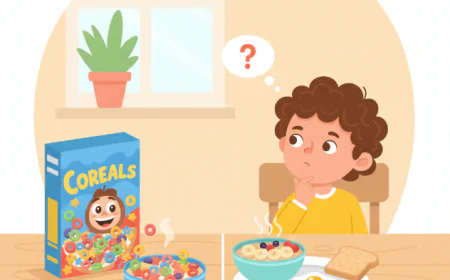

Picky Eating in Children: Psychological and Nutritional Causes
Understand picky eating in children. Learn psychological and nutritional causes plus practical solutions to support healthy growth.

Why Picky Eating Worries Parents
“I can’t get my child to eat… they only nibble at food… they’re losing weight.” These are common frustrations shared by many parents. Picky eating isn’t just a mealtime challenge—it can cause stress for parents and directly affect a child’s growth and development.
👉 The truth is: picky eating is often influenced not only by nutrition, but also by psychological and behavioral factors.
This article explores the root causes of picky eating—from family mealtime dynamics to nutritional deficiencies—and offers practical solutions to support children with patience and love.
Psychological Causes of Picky Eating
-
Pressure to eat: The more kids are forced, the more they resist.
-
Boring or tense mealtimes: Meals without joy discourage appetite.
-
Growing independence: Children ages 2–6 want to assert themselves, including in food choices.
-
Parental modeling: Kids mimic adults; rushed or unhealthy eating habits at home impact children’s behavior.
Nutritional and Physical Causes
-
Micronutrient deficiencies: Low levels of zinc, iron, or B vitamins reduce appetite.
-
Repetitive diet: Eating the same few foods over and over.
-
Digestive issues: Constipation, reflux, or parasites can make eating uncomfortable.
-
Too much milk: Drinking large amounts of milk fills children up and suppresses hunger for solid food.

Psychological Solutions to Encourage Eating
-
Turn meals into positive, fun family moments.
-
Give children small choices (which cup to use, which vegetable to try).
-
Make food visually appealing with creative plating.
-
Be a role model: show enthusiasm and variety in your own meals.
Nutritional Solutions to Improve Appetite
-
Offer a wide range of foods covering all 4 groups.
-
Add zinc, iron, and vitamin B-rich foods (lean meat, eggs, whole grains).
-
Use yogurt, cheese, and fresh fruits for snacks.
-
Serve smaller, more frequent meals instead of large portions.
-
Consult a pediatrician if supplements are needed.
When to See a Doctor
Seek professional advice if picky eating lasts longer than 2–3 weeks and is accompanied by:
-
Weight loss or poor growth.
-
Frequent fatigue or lack of focus.
-
Signs of nutrient deficiencies (pale skin, hair loss, weak nails).

Patience and Partnership
Picky eating isn’t a “fault” of the child—it’s a signal for parents to adjust both approach and nutrition. With patience, gentle encouragement, and balanced meals, children can overcome picky eating and develop a healthy relationship with food.
👉 Remember: a child who enjoys eating is more likely to thrive in both health and happiness.
What's Your Reaction?
 Like
0
Like
0
 Dislike
0
Dislike
0
 Love
0
Love
0
 Funny
0
Funny
0
 Angry
0
Angry
0
 Sad
0
Sad
0
 Wow
0
Wow
0