













Plant-Based Milk for Young Children: Can It Replace Animal Milk?
Plant-based milk for kids: Can it replace animal milk? Learn the pros, cons, and tips for balancing nutrition in your child’s diet.
A Common Concern for Parents
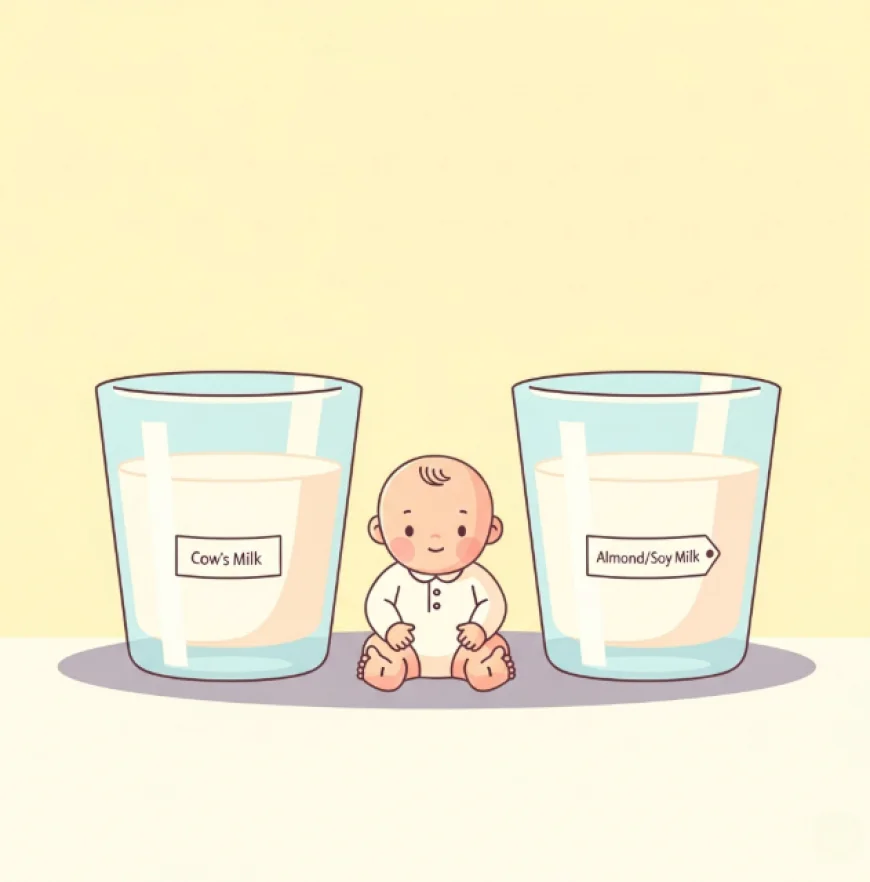
More and more parents are turning to plant-based milk (such as soy, almond, oat, or walnut milk) as a “natural and healthier” alternative to cow’s milk. But one big question remains: can plant-based milk fully replace animal milk for young children?
It’s a valid concern. Babies and toddlers have unique nutritional needs, and changing their main source of milk requires careful consideration.
Animal Milk – Traditional Nutritional Value
Cow’s milk, goat’s milk, or formula based on animal proteins has long been a trusted source of nutrition for children:
-
Rich in animal protein: essential for muscle and overall growth.
-
Provides calcium and vitamin D: crucial for strong bones and teeth.
-
Energy-dense: supports active play and learning.
-
Widely available and convenient: fits into most family diets.
However, some children face issues such as cow’s milk protein allergy or lactose intolerance, prompting parents to look for alternatives.
Plant-Based Milk – A Modern Trend
Plant-based milk options, like almond, soy, oat, or walnut milk, are gaining popularity for several reasons:
-
Plant-based source: suitable for kids sensitive to animal proteins.
-
Rich in vitamins, minerals, and fiber: supports digestion and immunity.
-
Low in saturated fat: potentially reduces risk of obesity later in life.
-
Variety of flavors: helps children explore new tastes.
👉 Still, most plant-based milk naturally contains less protein than animal milk and often needs to be fortified with calcium, vitamin D, and B12 to meet children’s needs.
Should Plant-Based Milk Fully Replace Animal Milk?
The short answer: No.
-
Under 1 year old: breast milk or infant formula should remain the main source of nutrition. Plant-based milk cannot replace them due to insufficient protein and calories.
-
Over 1 year old: plant-based milk can be introduced, but it should not fully replace animal milk unless medically necessary.
-
Children with allergies/intolerance: fortified plant-based milk may be used as an alternative, but always under medical guidance.
Tips for Parents When Using Plant-Based Milk
-
Choose unsweetened versions to avoid excess sugar.
-
Check labels carefully: look for fortified options with calcium, vitamin D, and B12.
-
Use in moderation: 1–2 small cups per day, not as meal replacements.
-
Monitor reactions: watch for signs of allergy or digestive issues.
-
Balance with other foods: include protein-rich foods like eggs, fish, beans, or tofu.

Balance Is Key
👉 Plant-based milk can be a healthy addition to a child’s diet but should not completely replace animal milk during early years.
For the best outcome:
-
Keep breast milk or formula as the main nutrition for babies under 1.
-
Combine animal milk and plant-based milk after age 1, unless allergies prevent it.
-
Ensure a balanced diet with proteins, whole grains, fruits, and vegetables.
Every child is different — so parents should consult a pediatrician or nutritionist before making major changes.
What's Your Reaction?
 Like
0
Like
0
 Dislike
0
Dislike
0
 Love
0
Love
0
 Funny
0
Funny
0
 Angry
0
Angry
0
 Sad
0
Sad
0
 Wow
0
Wow
0