



How to Recognize Allergies in Babies: Symptoms, Causes, and Solutions
Learn how to recognize allergy symptoms in babies, common causes, and safe solutions parents can use to protect and comfort their child.
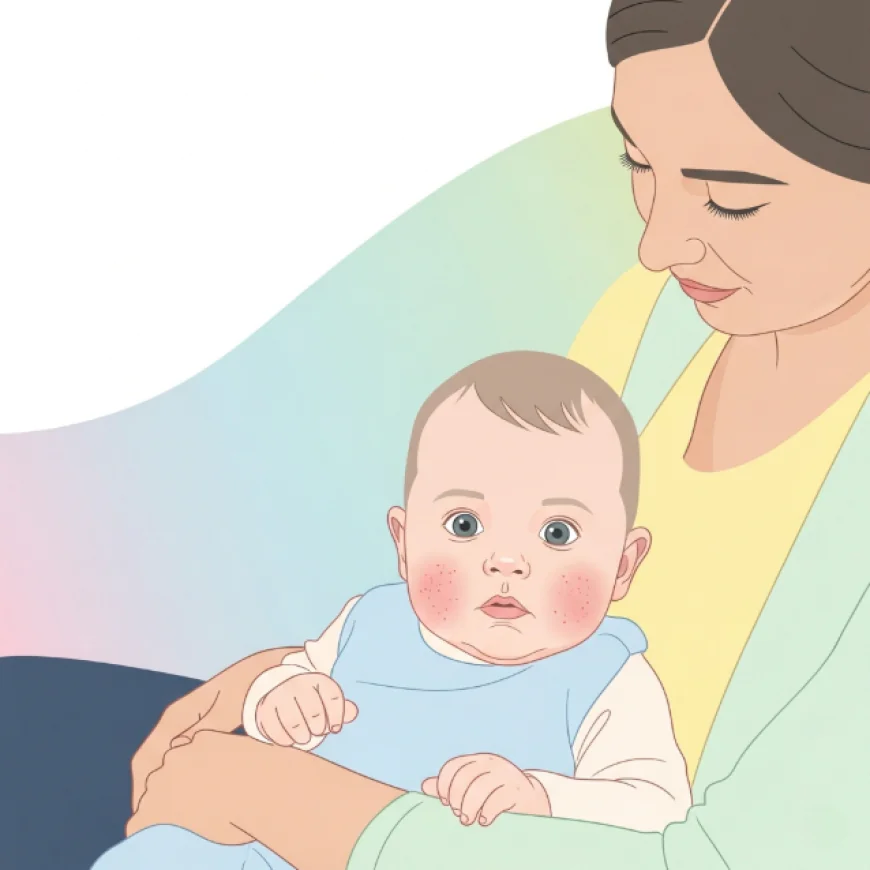
When the Body Speaks
In the early years, a baby’s immune system is still developing, making it more sensitive to triggers that most adults tolerate easily. As a result, babies may experience allergic reactions—from rashes and itchiness to sneezing, coughing, or even difficulty breathing.
👉 For parents, this often raises worry: “Is this really an allergy or something else? Should I rush to the hospital? What can I do to help?”
The good news is that most allergies can be recognized early and managed effectively if parents know the right signs, causes, and safe solutions.
Common Symptoms of Allergies in Babies
Skin Reactions
-
Red rashes, hives, dry or itchy skin.
-
Infant eczema that flares up repeatedly.
Respiratory Symptoms
-
Sneezing, runny nose, nasal congestion.
-
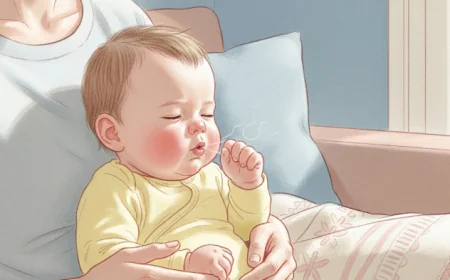
Persistent cough, wheezing, or labored breathing.
Digestive Symptoms
-
Vomiting, diarrhea, or abdominal pain after eating.
-
Poor weight gain due to malabsorption.
Warning Signs (Seek Emergency Care)
-
Swelling of the face, lips, or tongue.
-
Trouble breathing or wheezing.
-
Loss of consciousness (anaphylaxis).

Common Causes of Allergies in Babies
-
Foods: cow’s milk, eggs, peanuts, shellfish, soy.
-
Environment: dust mites, pollen, pet dander, mold.
-
Chemicals: soaps, detergents, skin products.
-
Medications: antibiotics, fever reducers.
-
Genetics: family history of allergies increases risk.
👉 Understanding triggers helps parents prevent and manage symptoms more effectively.
Solutions to Manage Baby Allergies
Immediate Care
-
Stop exposure to the suspected allergen.
-
Keep skin clean, dry, and avoid scratching.
-
Offer fluids to stay hydrated.
Medical Support
-
Consult a pediatrician or allergy specialist.
-
Allergy tests (blood or skin tests) if necessary.
-
Use antihistamines or topical creams (only under medical guidance).
Long-Term Prevention
-
Keep home clean, reduce dust and mold.
-
Introduce new foods gradually, one at a time.
-
Choose mild, baby-safe soaps and detergents.
-
Track allergy history to avoid repeated reactions.
Advice for Parents
-
Do not self-medicate—always follow medical advice.
-
Keep a food and symptom diary to identify triggers.
-
Stay calm: many childhood allergies improve or disappear with age.
-
Most importantly: be patient and supportive—your reassurance matters as much as treatment.
Allergies Are Manageable with the Right Knowledge
Allergies in babies may cause worry, but they are not always dangerous. Recognizing symptoms early, identifying triggers, and responding with safe solutions helps protect your child’s health.
👉 Key approach: observe – prevent – support. With knowledge and care, allergies don’t have to be a burden, but rather an opportunity to understand and nurture your child better.
What's Your Reaction?
 Like
0
Like
0
 Dislike
0
Dislike
0
 Love
0
Love
0
 Funny
0
Funny
0
 Angry
0
Angry
0
 Sad
0
Sad
0
 Wow
0
Wow
0