









How to Handle Persistent Hiccups and Frequent Spit-Ups in Babies
Learn safe and simple ways to handle persistent hiccups and frequent spit-ups in babies. Practical tips, healthy habits, and warning signs parents should know.

A Common Worry for Parents
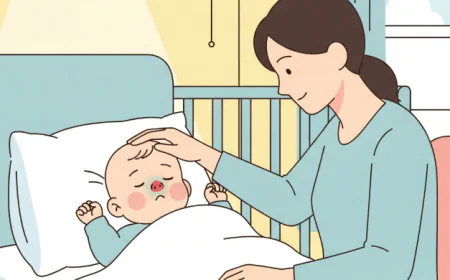
Hiccups and spit-ups are among the most common issues in infants. While mostly harmless, they often leave parents worried—especially if the baby seems uncomfortable or the episodes happen frequently.
👉 The truth is, most hiccups and spit-ups are normal and temporary, caused by an immature digestive system. Still, knowing how to handle them—and when to see a doctor—helps parents stay calm and keep their baby comfortable.
Why Do Babies Get Hiccups and Spit-Ups?
-
Hiccups: occur when the diaphragm contracts, often due to swallowing air during feeding, sudden temperature changes, or excitement.
-
Spit-ups: happen because the valve between the stomach and esophagus is not fully developed, allowing milk to flow back up.
-
Most common between 0–6 months and improve as the baby grows.
How to Handle Baby Hiccups
-
Pause feeding and hold baby upright: resting on your shoulder helps release trapped air.
-
Gently pat the back in rhythmic motions to encourage burping.
-
Offer a pacifier: sucking relaxes the diaphragm.
-
Keep baby warm to avoid sudden chills.
⚠️ Avoid startling, pinching the nose, or “scaring” baby—these methods are unsafe.
How to Manage Frequent Spit-Ups
-
Proper feeding position: keep baby’s head slightly elevated above the stomach.
-
Feed smaller amounts, more often instead of large feeds.
-
Hold upright after feeding for 20–30 minutes.
-
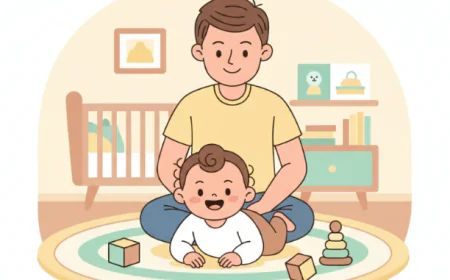
Avoid active play or bouncing right after feeding.
-
For bottle-fed babies: check nipple hole size to prevent milk flowing too fast.

When to See a Doctor
Seek medical advice if:
-
Hiccups last for hours and interfere with feeding or sleep.
-
Spit-ups are excessive, causing poor weight gain.
-
Spit-ups are accompanied by coughing, wheezing, or breathing difficulties.
-
Vomit appears green, yellow, or contains blood.
👉 These may signal gastroesophageal reflux disease (GERD) or other medical issues.

Healthy Habits to Reduce Hiccups and Spit-Ups
-
Feed when baby is calm and hungry, not overly fussy.
-
Maintain a warm, comfortable environment.
-
Always burp baby after each feeding.
-
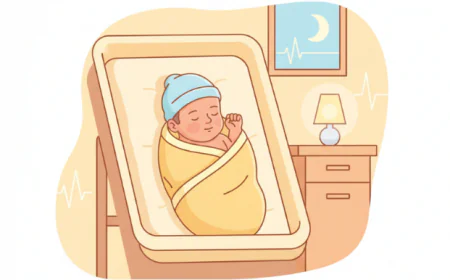
Place baby on their back to sleep, with head slightly elevated (no soft pillows).
-
Monitor baby’s growth and overall health regularly.
Stay Calm and Support Your Baby
👉 Persistent hiccups and spit-ups are usually temporary, part of your baby’s development. With proper care and a calm approach, parents can reduce discomfort and spot warning signs early.
Parenting becomes less stressful when you understand what’s normal—and when to seek help.
What's Your Reaction?
 Like
0
Like
0
 Dislike
0
Dislike
0
 Love
0
Love
0
 Funny
0
Funny
0
 Angry
0
Angry
0
 Sad
0
Sad
0
 Wow
0
Wow
0