










B Vitamins and Brain Development in Children
B vitamins are essential for children’s brain growth, memory, and focus. Learn the key types, benefits, food sources, and tips for healthy development.
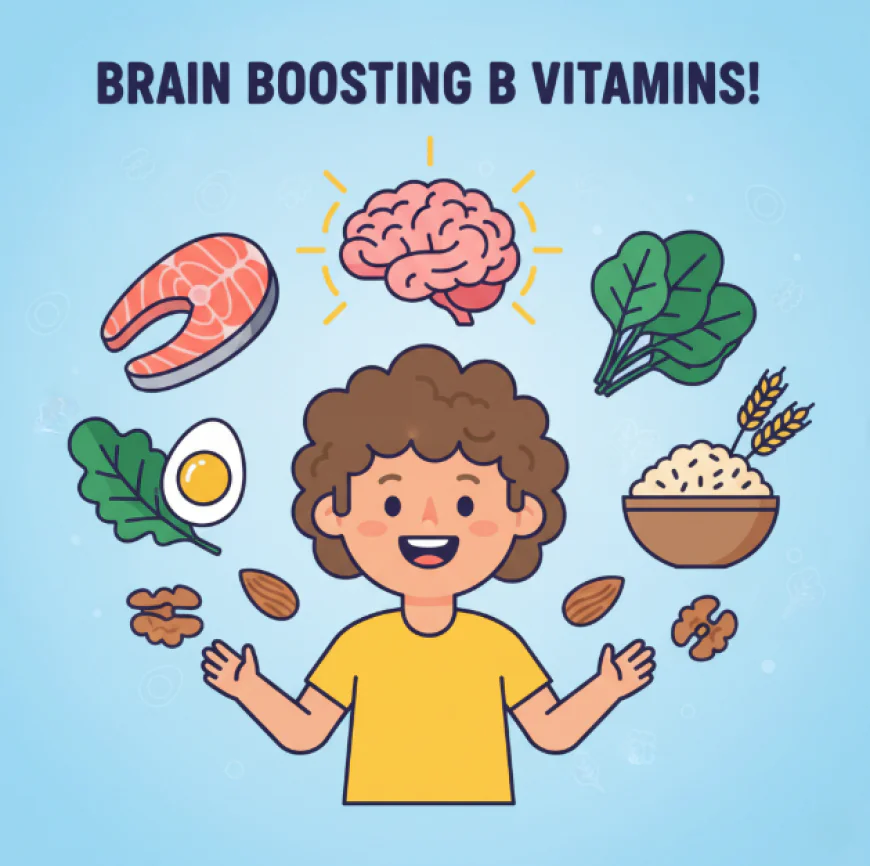
B Vitamins – “Fuel” for Growing Brains
A child’s brain develops rapidly during the early years and continues to grow throughout school age. Alongside protein, healthy fats, and minerals, B vitamins play a vital role in supporting the nervous system, boosting memory, focus, and emotional balance.
👉 Yet, many parents don’t fully understand what B vitamins are, how they work, and how to provide them effectively for their children.
What Are B Vitamins?
The B-vitamin group consists of water-soluble vitamins, each with unique functions but working closely together to support overall health:
-
B1 (Thiamine): helps convert carbohydrates into energy for the brain.
-
B2 (Riboflavin): supports energy production and protects nerve cells.
-
B3 (Niacin): improves blood circulation in the brain and supports nerve function.
-
B6 (Pyridoxine): involved in producing neurotransmitters such as serotonin and dopamine.
-
B9 (Folate): crucial for brain development and new cell formation.
-
B12 (Cobalamin): maintains myelin—the protective sheath around nerves that enables fast, accurate signal transmission.

Benefits of B Vitamins for Children’s Brains
-
Boost Memory and Focus
B1, B6, and B12 aid in energy metabolism and help keep the brain active, enhancing learning efficiency. -
Support Emotional Stability
B6 and B9 help produce serotonin and dopamine—neurotransmitters that stabilize mood and reduce stress. -
Promote Healthy Nerve Development
B12 and Folate are vital for nerve cell formation and protection of brain structures. -
Prevent Fatigue
A deficiency in B vitamins can leave children tired, sluggish, and unable to concentrate.

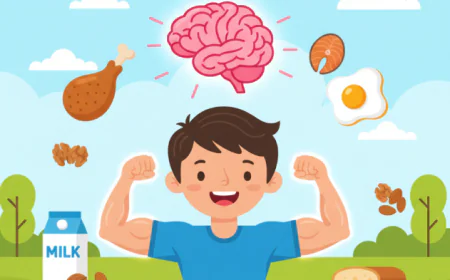
Foods Rich in B Vitamins
-
Whole grains: oats, brown rice, whole wheat bread.
-
Meat and fish: chicken, beef, salmon, tuna.
-
Eggs and dairy: rich in B2 and B12.
-
Leafy greens: spinach, kale, broccoli (high in Folate).
-
Legumes and seeds: lentils, soybeans, sunflower seeds.

Signs of B Vitamin Deficiency in Kids
-
Fatigue and low energy.
-
Poor concentration and weak memory.
-
Irritability or mood swings.
-
Signs of anemia (linked to low B12 or Folate).
👉 If these symptoms appear, parents should consult a doctor before giving vitamin supplements.
Parent Recommendations
-
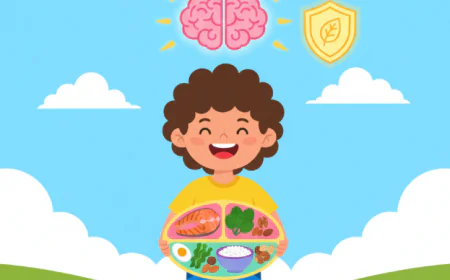
Maintain a balanced diet with a variety of natural B-vitamin sources.
-
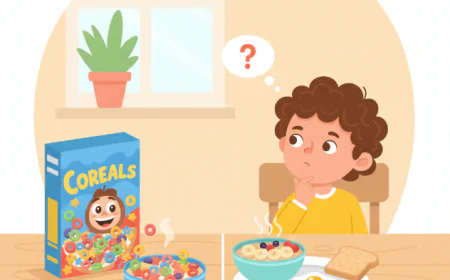
Limit processed foods, which lack essential nutrients.
-
Only use vitamin B supplements when recommended by a healthcare professional.
-
Support brain development holistically with good sleep, physical activity, and healthy study habits.
B vitamins are essential “allies for the brain,” helping children stay focused, emotionally balanced, and mentally sharp. With a diverse diet and healthy lifestyle, parents can ensure their kids fully benefit from this important vitamin group to support brain growth and academic success.
What's Your Reaction?
 Like
0
Like
0
 Dislike
0
Dislike
0
 Love
0
Love
0
 Funny
0
Funny
0
 Angry
0
Angry
0
 Sad
0
Sad
0
 Wow
0
Wow
0