










Calcium for Kids: Natural Foods or Supplements?
Should kids get calcium from natural foods or supplements? Learn the pros, cons, and safe ways to ensure your child gets enough calcium every day.
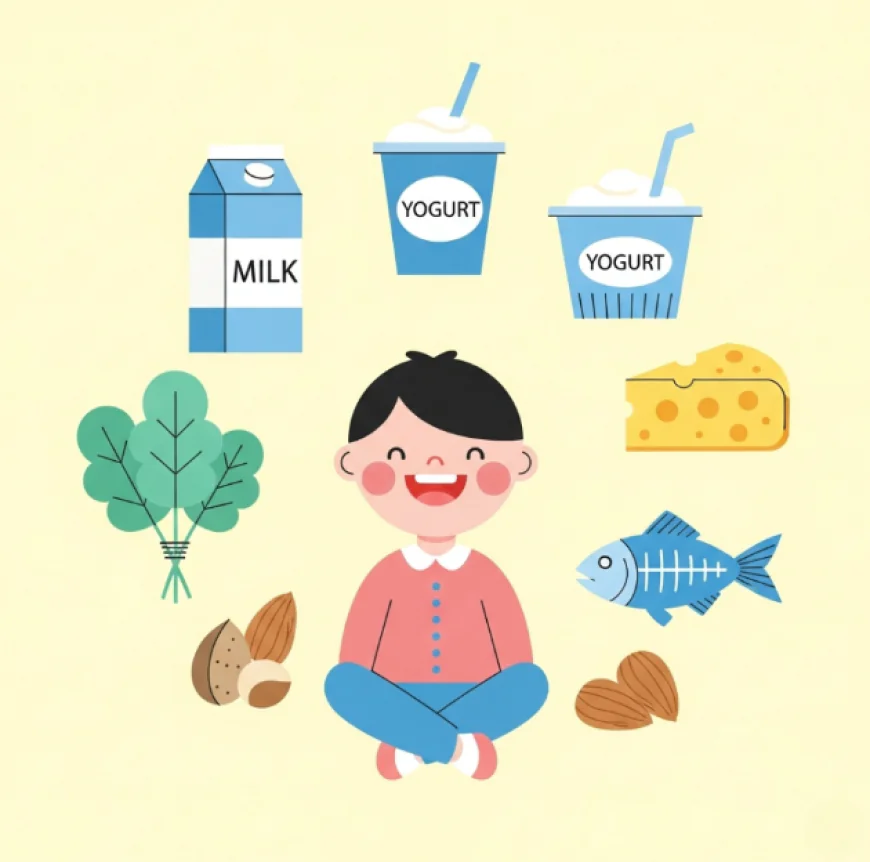
A Common Worry for Parents
One of the biggest concerns parents have is: “Is my child getting enough calcium for healthy bones and teeth?” With so much information online, many parents feel confused — should they rely on natural foods or turn to supplements for assurance?
Calcium is a vital mineral for strong bones, teeth, and even immune function. A deficiency can lead to delayed growth, weak bones, slow tooth development, or sleep problems. But the key question remains: what’s the safest and most effective way to provide it?
Natural Food Sources of Calcium
Everyday foods can supply plenty of calcium when chosen and combined wisely:
-
Dairy products: milk, yogurt, cheese — highly absorbable calcium.
-
Leafy greens: kale, spinach, broccoli.
-
Seafood: small fish eaten with bones (sardines, anchovies), shrimp, crab.
-
Nuts and seeds: almonds, sesame, walnuts.
-
Fortified foods: many cereals and plant-based milks include added calcium.
👉 The strength of natural foods is that they also contain other nutrients like vitamin D, vitamin K, and magnesium, which enhance calcium absorption.
When Are Supplements Needed?
While natural foods should be the foundation, supplements may be necessary in certain cases:
-
Picky eaters who avoid calcium-rich foods.
-
Children allergic to dairy or lactose intolerant.
-
Kids with diagnosed rickets or delayed growth.
-
Children in areas with little sunlight, lacking vitamin D for calcium absorption.
In these situations, doctors may recommend calcium drops, chewables, or powders combined with vitamin D.
Pros and Cons
Natural foods
-
✅ Safe, nutrient-rich, and balanced.
-
❌ May not meet calcium needs if the child eats poorly.
Supplements
-
✅ Convenient, reliable dosage, fast solution for deficiencies.
-
❌ Risk of overuse, which can cause constipation or kidney stones.
Practical Tips for Parents
-
Make natural foods the main source of calcium.
-
Use supplements only under medical guidance.
-
Ensure adequate vitamin D from sunlight and foods (eggs, salmon, cod liver oil).
-
Avoid the “more is better” mindset — too much calcium can be harmful.
-
Watch for deficiency signs: poor sleep, frequent startles, late teething, bowed legs.

Balance Is the Key
👉 Calcium is crucial, but more doesn’t always mean better. Parents should rely on a balanced diet first and turn to supplements only when necessary.
A healthy mix of natural foods, sunlight exposure, and medical guidance will give children strong bones, healthy teeth, and the best chance at reaching their growth potential.
What's Your Reaction?
 Like
0
Like
0
 Dislike
0
Dislike
0
 Love
0
Love
0
 Funny
0
Funny
0
 Angry
0
Angry
0
 Sad
0
Sad
0
 Wow
0
Wow
0