










How to Handle “My Child Only Eats One Food” Without Pressure
Does your child only eat one food? Discover gentle, pressure-free strategies to handle food jags and encourage variety in your child’s diet.
The “One Food Only” Phase
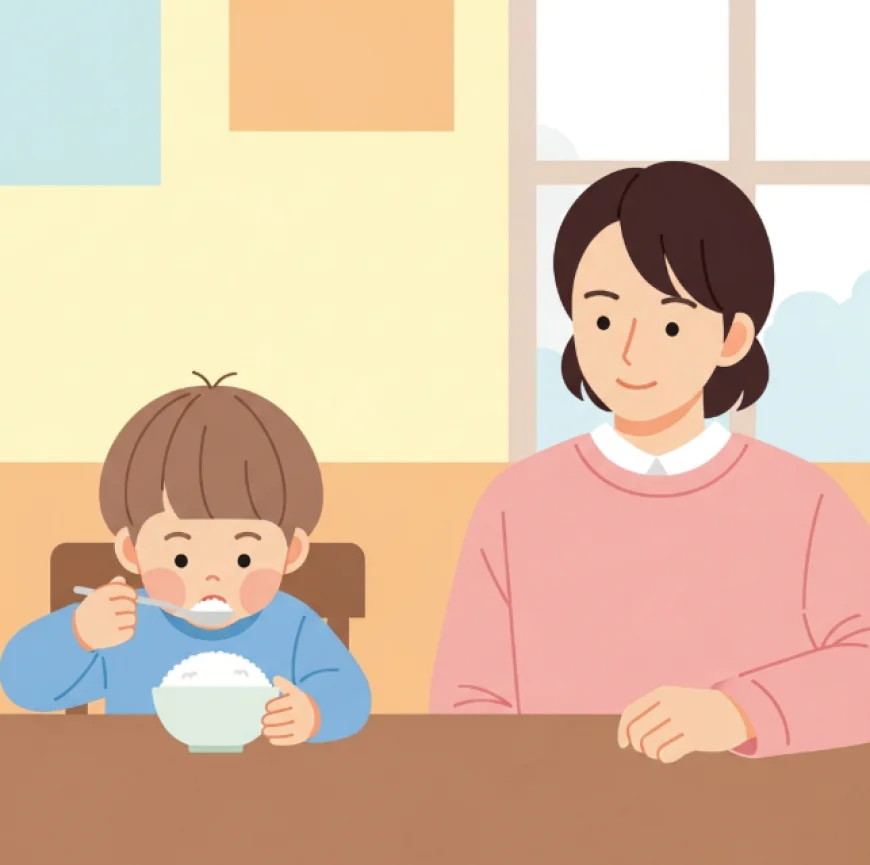
Many parents know the frustration: your child insists on eating only plain rice, noodles, or milk for days. Meals become a stressful battle—parents fear nutritional deficiencies, while children resist even more when pressured.
👉 This stage, called a “food jag”, is surprisingly common. Children may fixate on one food they like and refuse all others. The good news is: this phase is usually temporary, and with the right approach, you can help your child explore new foods—without stress for either of you.
This article will guide you through the reasons behind food jags and share 7 strategies backed by pediatric nutrition experts to encourage variety gently and effectively.
Why Do Kids Stick to One Food?
-
Developing taste preferences – kids need time to accept new flavors.
-
Control and independence – choosing food gives them a sense of power.
-
Comfort and safety – repetition feels reassuring.
-
Reaction to pressure – the more parents push, the more children resist.
👉 Understanding the “why” helps parents reduce worry and respond calmly.
Gentle Strategies
1. Stay Calm
Avoid turning mealtimes into battles—it only deepens resistance.
2. Serve the favorite food—plus one more option
If your child only wants rice, add a small portion of chicken or egg on the side.
3. The “one bite rule”
Encourage tasting just one bite of a new food—no pressure for more.
4. Make food fun
Use creative shapes, colorful arrangements, or playful names.
5. Involve kids in shopping or cooking
Children are more willing to try foods they helped choose or prepare.
6. Keep a routine
Regular mealtimes build healthy hunger cues and openness to new foods.
7. Be a role model
Eat a variety of foods yourself and talk positively about them—kids imitate parents.

When Should Parents Worry?
👉 If your child’s food jag lasts more than 2 weeks and is paired with:
-
Weight loss or stalled growth.
-
Low energy or fatigue.
-
Signs of nutrient deficiencies (pale skin, brittle hair).
Then, consult a pediatrician or nutritionist.
Practical Advice
-
Trust the process: most kids outgrow food jags naturally.
-
Don’t bribe, punish, or force food.
-
Treat mealtimes as joyful bonding moments, not stressful exams.

Patience Is Key
The “one food only” phase may be frustrating, but it is usually just a developmental stage.
👉 The key is patience, gentle encouragement, and a positive atmosphere. When children feel safe and unpressured, they will slowly expand their tastes, and balanced nutrition will follow naturally.
What's Your Reaction?
 Like
0
Like
0
 Dislike
0
Dislike
0
 Love
0
Love
0
 Funny
0
Funny
0
 Angry
0
Angry
0
 Sad
0
Sad
0
 Wow
0
Wow
0