










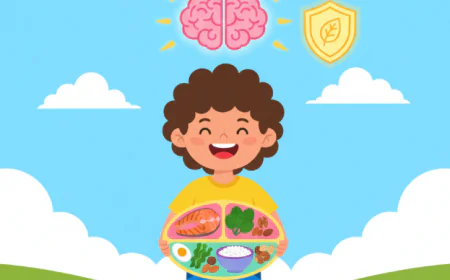

Hidden Sugars in Foods: How Parents Can Spot and Reduce Them for Kids
Learn how to spot hidden sugars in kids’ foods and reduce intake. Practical tips for parents to build healthy eating habits and protect children’s health.
The “Sweet Danger” in Everyday Meals
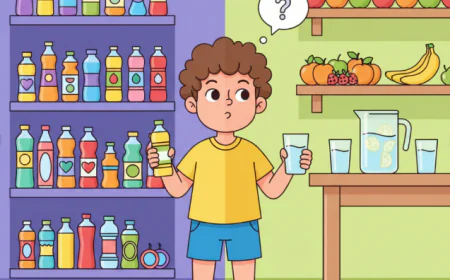
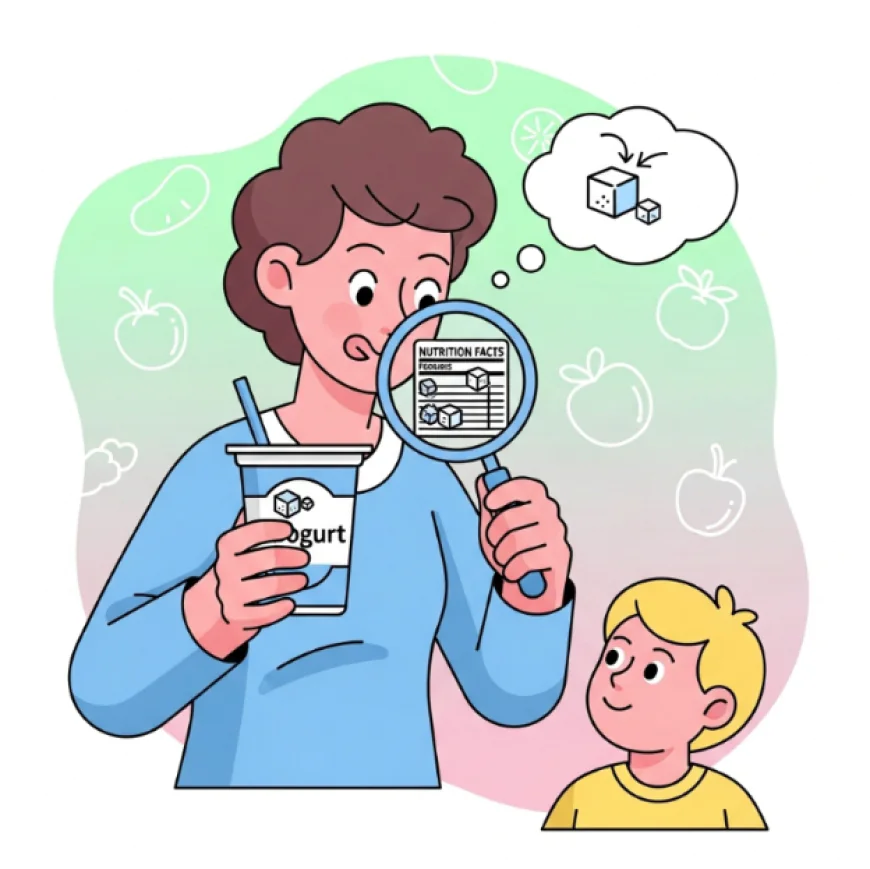
Children naturally love sweet foods. But many parents don’t realize that most of the sugar kids consume doesn’t come from candy—it’s hidden in “seemingly healthy” foods like flavored yogurt, boxed juice, breakfast cereals, or even ketchup.
👉 These hidden sugars (added sugars) are a major driver of tooth decay, obesity, hyperactivity, and even long-term risks like diabetes. So how can parents identify hidden sugar and reduce their child’s intake? Let’s break it down step by step.
What Are Hidden Sugars and Why Are They Harmful?
-
Hidden sugars are added during processing or preservation.
-
They don’t always taste obviously sweet, making them easy to overlook.
-
Long-term risks: weight gain, tooth decay, insulin resistance, attention issues.
-
WHO recommendation: children should consume less than 25g of added sugar per day.
Common Foods High in Hidden Sugars
-
Flavored yogurt and sweetened milk.
-
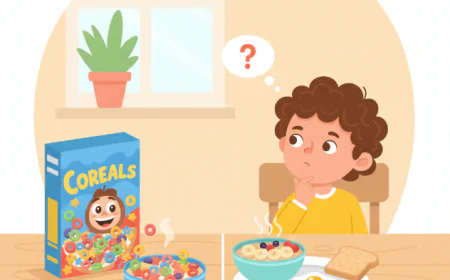
Colorful breakfast cereals.
-
Boxed juices and sodas.
-
Packaged bread, cookies, and crackers.
-
Ketchup, salad dressings, ready-made sauces.
💡 Tip: check food labels. Words like syrup, fructose, maltose, glucose all indicate added sugar.

How Parents Can Spot and Reduce Hidden Sugars
-
Read nutrition labels carefully.
-
Choose whole foods: fresh fruits instead of packaged juices.
-
Reduce sweetness gradually: cut back sugar in milk or cereals.
-
Cook at home: smoothies, plain yogurt, homemade oat cookies.
-
Smart swaps: natural sweeteners like ripe fruits, cinnamon, or honey (after age 1).
Parents’ Role: Shaping a Healthier Environment
-
Be a role model: reduce your own sugar intake.
-
Avoid using sweets as rewards.
-
Encourage water as the default drink.
-
Normalize “natural sweetness” from fruits and vegetables.
Less Sugar, More Health
👉 Cutting back on hidden sugar doesn’t mean cutting joy from food. It means giving children healthy smiles, stable energy, a healthy weight, and stronger long-term health.
What's Your Reaction?
 Like
0
Like
0
 Dislike
0
Dislike
0
 Love
0
Love
0
 Funny
0
Funny
0
 Angry
0
Angry
0
 Sad
0
Sad
0
 Wow
0
Wow
0