









Plant vs. Animal Protein: Which Is Better for Children?
Plant or animal protein for kids? Learn the pros, cons, and best ways to combine both for balanced nutrition and healthy growth in children.
A Common Concern for Parents
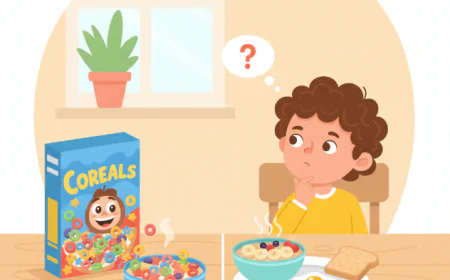
When planning meals for children, one of the most frequent questions parents ask is:
“Should I give my child more plant-based protein or animal protein?”
👉 Protein is essential—it builds muscles, supports brain development, boosts immunity, and fuels growth. But not all proteins are the same. Each source has unique benefits and limitations. Choosing wisely helps children achieve a balanced diet for healthy, holistic development.
What Is Protein and Why Do Kids Need It?
-
Definition: Protein builds tissues, muscles, hormones, and enzymes.
-
For children: vital for height, weight, brain function, and strong immunity.
-
Daily needs: about 10–20% of total daily energy, depending on age.
Animal Protein: Pros and Cons
Pros
-
Provides all essential amino acids.
-
Rich in iron, zinc, and vitamin B12—nutrients harder to get from plants.
-
Highly bioavailable and easy to absorb.
Cons
-
Some sources are high in saturated fat and cholesterol (red meat, organ meats).
-
Overconsumption may lead to obesity or future cardiovascular risks.
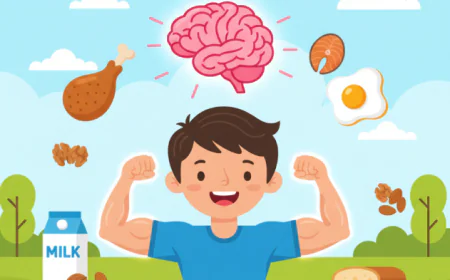
👉 Best animal protein sources for kids: fish, eggs, milk, lean poultry.
Plant Protein: Pros and Cons
Pros
-
High in fiber, vitamins, and minerals.
-
Low in saturated fat, supporting digestive and long-term health.
-
Helps prevent chronic disease later in life.
Cons
-
May lack certain essential amino acids if not combined properly.
-
Some sources are harder to digest compared to animal protein.
👉 Best plant protein sources for kids: soybeans, lentils, green beans, quinoa, oats.
Smart Protein Combination for Children
-
Combine both animal and plant proteins for a complete nutrient profile.
-
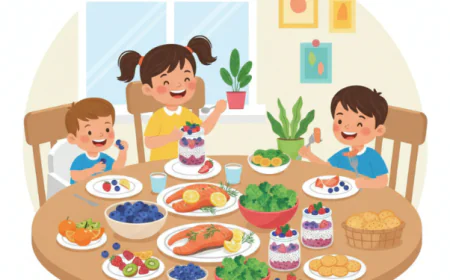
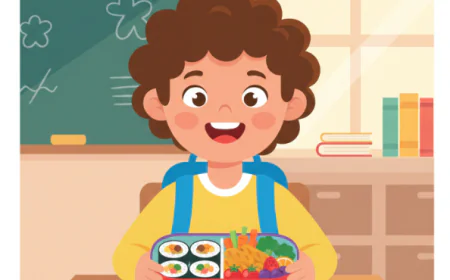
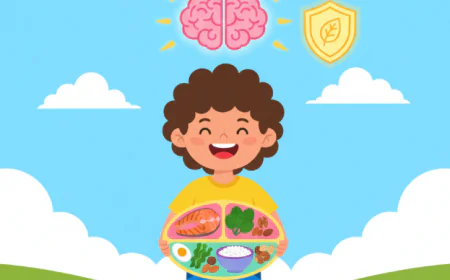
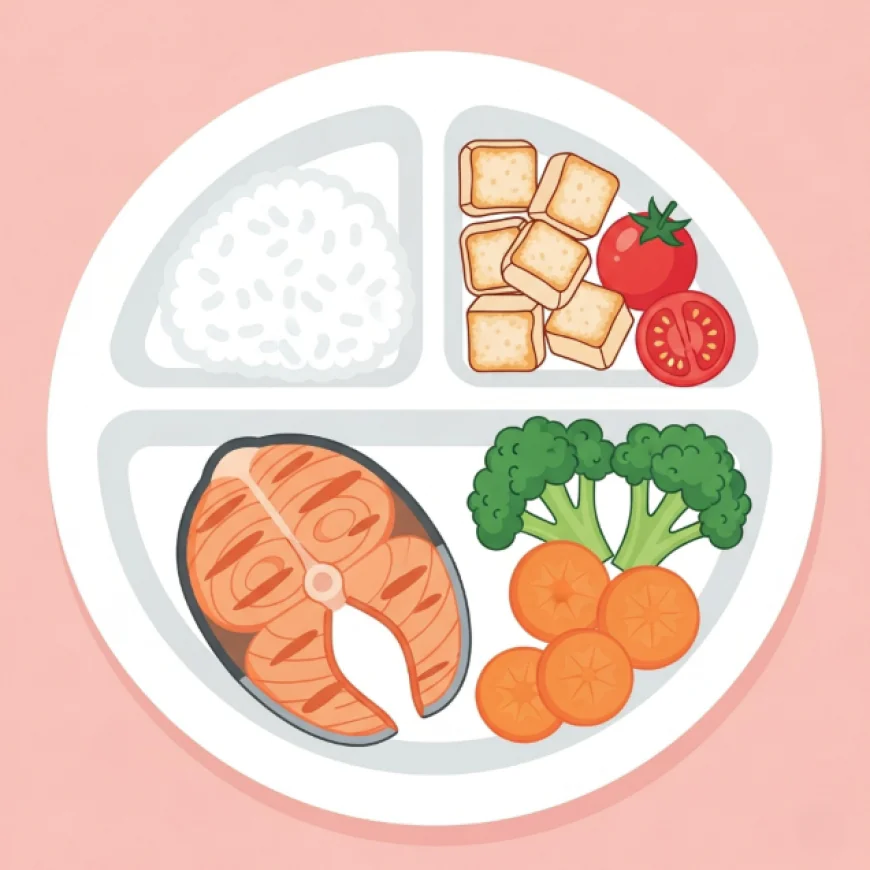
Example meal: rice + salmon + vegetables + tofu.
-
Variety ensures better taste, improved absorption, and no nutrient gaps.
-
Balance protein intake to avoid strain on kidneys.

It’s Not About Choosing One
👉 Instead of asking “Which is better?”, parents should aim for a balanced mix of both.
The key is diversity and moderation. A diet that includes fish, eggs, dairy, along with beans, seeds, and whole grains provides the full benefits of protein—supporting physical growth, brain development, and healthy eating habits.
What's Your Reaction?
 Like
0
Like
0
 Dislike
0
Dislike
0
 Love
0
Love
0
 Funny
0
Funny
0
 Angry
0
Angry
0
 Sad
0
Sad
0
 Wow
0
Wow
0