











Sugar and Sweets: How Much Is Too Much for Kids?
How much sugar is too much for kids? Learn WHO guidelines, health risks, and healthy alternatives to protect your child’s growth and well-being.
A Sweet Concern for Parents
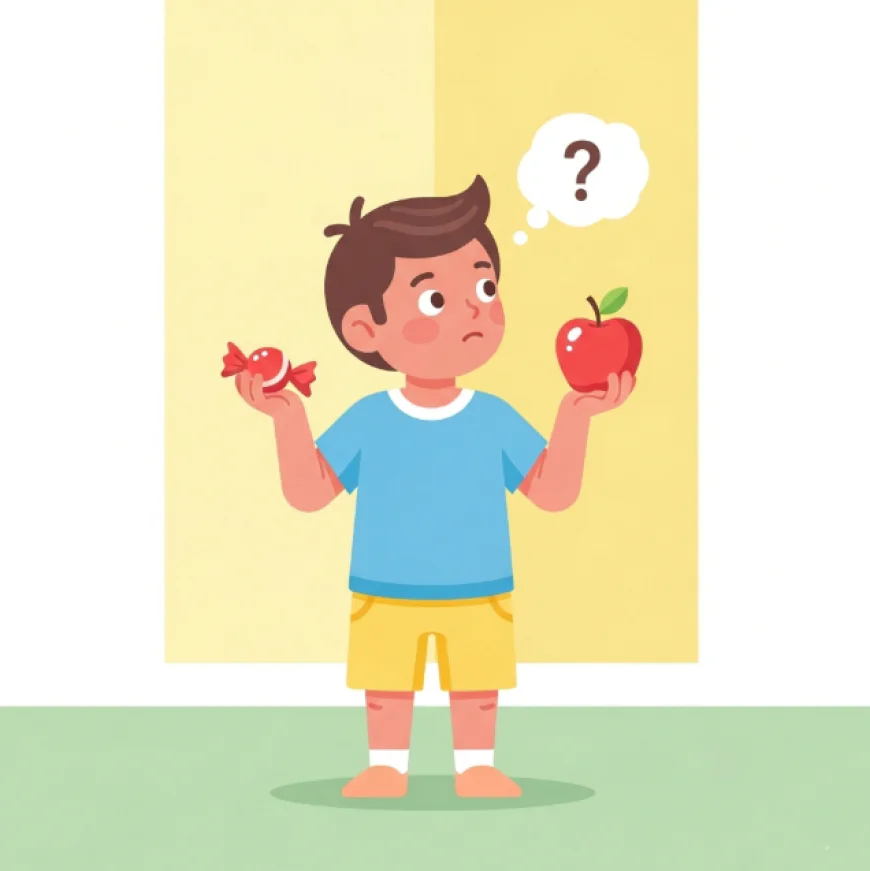
Most children love candy, cakes, and sugary drinks. For parents, the big question is:
“How much sugar is safe, and when does it become too much?”
👉 Sugar provides quick energy, but too much can lead to tooth decay, obesity, reduced concentration, and even long-term health risks. Managing sugar intake is essential to building healthy habits that protect children now and in the future.
Daily Sugar Recommendations for Kids
-
WHO recommends: children aged 2 and older should consume no more than 25g of sugar per day (about 6 teaspoons).
-
Children under 2 years: avoid added sugar altogether.
-
Sugar comes from two sources:
-
Natural sugars: found in fruits and milk.
-
Added sugars: found in candy, sodas, packaged snacks.
-
Risks of Excess Sugar in Children
-
Oral health issues: higher risk of cavities and gum problems.
-
Weight gain and obesity: excess sugar is stored as fat.
-
Behavior and focus: sugar highs followed by energy crashes.
-
Chronic health risks: type 2 diabetes, heart disease later in life.

How to Manage Sugar Intake
-
Prioritize natural sugars from fruits and vegetables.
-
Limit sodas, candies, and packaged desserts.
-
Always read nutrition labels for hidden sugars.
-
Offer healthy alternatives like yogurt with fruit or homemade snacks.
-
Avoid using sweets as a “reward,” which can create dependency.
Healthy Alternatives to Sugary Treats
-
Fresh fruits: apples, grapes, oranges.
-
Naturally dried fruits without added sugar.
-
Nuts and lightly baked oats.
-
Plain or low-sugar yogurt.
-
Smoothies with fruit and yogurt.

Balance Is the Key
👉 Sugar isn’t the enemy—but overconsumption is. Parents should help children develop balanced eating habits, minimizing added sugars while focusing on whole, natural foods.
When parents model healthy habits, kids learn that enjoying sweets occasionally is fine—but balance is what keeps them healthy and strong for the long run.
What's Your Reaction?
 Like
0
Like
0
 Dislike
0
Dislike
0
 Love
0
Love
0
 Funny
0
Funny
0
 Angry
0
Angry
0
 Sad
0
Sad
0
 Wow
0
Wow
0