









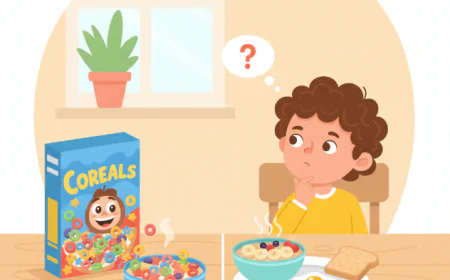

Whole Grains and Their Benefits for Your Child’s Growth
Whole grains are more than just fuel. Discover the benefits of oats, brown rice, corn, and other whole grains for your child’s growth, digestion, and brain development.

Why Whole Grains Matter
When we think of healthy meals for kids, parents often focus on vegetables and milk. But whole grains are equally important, providing sustainable energy and essential nutrients for your child’s brain, digestion, and long-term development.
Unlike refined grains, whole grains keep the bran, germ, and endosperm intact—meaning they are packed with fiber, B vitamins, iron, zinc, and antioxidants.
Key Benefits of Whole Grains for Children
-
Sustainable energy: Keep kids full longer, reducing sugar cravings and unhealthy snacking.
-
Better digestion: Fiber helps prevent constipation and supports gut health.
-
Brain and memory support: B vitamins and zinc contribute to healthy brain development.
-
Preventive health: Regular whole grain intake reduces risks of obesity, diabetes, and heart disease later in life.
Kid-Friendly Whole Grain Options
-
Oats: Great for porridge, smoothies, or baked into cookies.
-
Brown rice: Swap for white rice a few times a week.
-
Corn: Energy-rich and loaded with vitamins.
-
Barley: Perfect for soups or stews, easy to digest.
-
Whole wheat bread: A healthier choice for breakfast or snacks.

How to Help Kids Enjoy Whole Grains
-
Start gradually: Mix white rice with brown rice in a 7:3 ratio.
-
Pair with familiar foods: Oats with milk, bananas, or apples.
-
Turn into healthy snacks: Oat cookies, brown rice crackers.
-
Lead by example: Eat whole grains as a family to build habits together.
Things to Keep in Mind
-
Don’t force; let kids adjust slowly.
-
Check labels to ensure “whole grain” is the main ingredient.
-
For kids under 2, consult a pediatric nutritionist before making it a regular part of meals.

👉 Whole grains are more than just fuel—they are a foundation for long-term health and brain development. By introducing them early and consistently, parents can help kids build lifelong healthy eating habits.
What's Your Reaction?
 Like
0
Like
0
 Dislike
0
Dislike
0
 Love
0
Love
0
 Funny
0
Funny
0
 Angry
0
Angry
0
 Sad
0
Sad
0
 Wow
0
Wow
0