







Helping Your Child Overcome Fear and Anxiety
Learn why kids experience fear and anxiety and discover 5 gentle parenting steps to help them face fears with confidence, calm, and courage.

When Your Child Is Afraid, “Don’t Be Scared” Isn’t Enough
Every child experiences fear — of the dark, being alone, failure, or separation. These fears are normal reactions to the unknown. But if not guided properly, fear can grow into anxiety that affects sleep, learning, and confidence.
👉 Instead of dismissing fear, parents can help children understand, name, and face it — one gentle step at a time.
Why Children Often Feel Fearful or Anxious
-
Active imagination: they struggle to separate fantasy from reality.
-
Change in environment: moving homes, starting school, new sibling.
-
Mirroring adult emotions: anxious parents often have anxious kids.
-
Lack of experience: the less they explore, the more they fear the unknown.

Signs Your Child Might Be Anxious
-
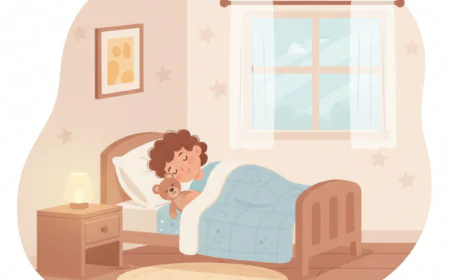
Trouble sleeping or fear of being alone.
-
Complaints of stomachaches or headaches before school.
-
Avoiding activities they used to enjoy.
-
Repeatedly seeking reassurance (“Will you stay here?”, “What if I fail?”).
How Parents Can Help Children Manage Fear and Anxiety
1. Listen and Validate Feelings
-
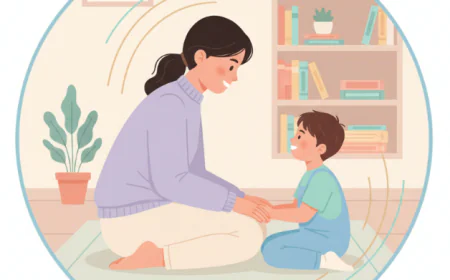
Instead of “There’s nothing to be scared of,” say:
“I understand you feel scared when it’s dark. Everyone feels afraid sometimes.” -
Validation helps children feel safe and understood.
2. Name the Fear Together
-
Ask, “What part of the dark scares you most?”
-
Naming fear gives it shape — and helps kids see it’s manageable.
3. Face Fears in Small Steps
-
Gradual exposure builds confidence.
-
If your child fears the dark, dim the light slightly each night while reading together.
-
Praise every small act of bravery.
4. Teach Relaxation and Breathing
-
Practice slow breathing or gentle stretches.
-
Try fun visuals like “smell the flower, blow the candle.”
5. Be a Calm Role Model
-
Kids mirror how you handle stress.
-
Share your own experience: “I used to feel nervous too, but deep breaths helped me.”
6. Avoid Pressure or Mocking
-
Never force or tease: “Big kids don’t cry!”
-
Reassurance and empathy work better than rushing progress.

When to Seek Professional Help
-
Fear lasts over six months and interferes with school or sleep.
-
Frequent physical symptoms (trembling, nausea, fast heartbeat).
-
Persistent avoidance or panic before daily activities.
👉 In these cases, consult a pediatrician or child psychologist. Early support helps prevent chronic anxiety.
Fear is not weakness — it’s a signal for growth and self-protection. With patience and empathy, parents can help kids face fear with courage and calmness.
💛 Bravery isn’t the absence of fear — it’s moving forward even when you’re afraid.
What's Your Reaction?
 Like
0
Like
0
 Dislike
0
Dislike
0
 Love
0
Love
0
 Funny
0
Funny
0
 Angry
0
Angry
0
 Sad
0
Sad
0
 Wow
0
Wow
0