







Positive Discipline: Teaching Kids Without Punishment
Positive discipline teaches kids respect, confidence, and responsibility without punishment. Discover core principles and tips for parents.
Discipline Is Not Punishment
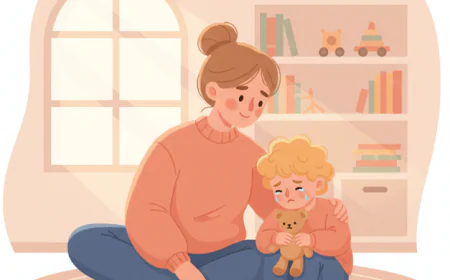
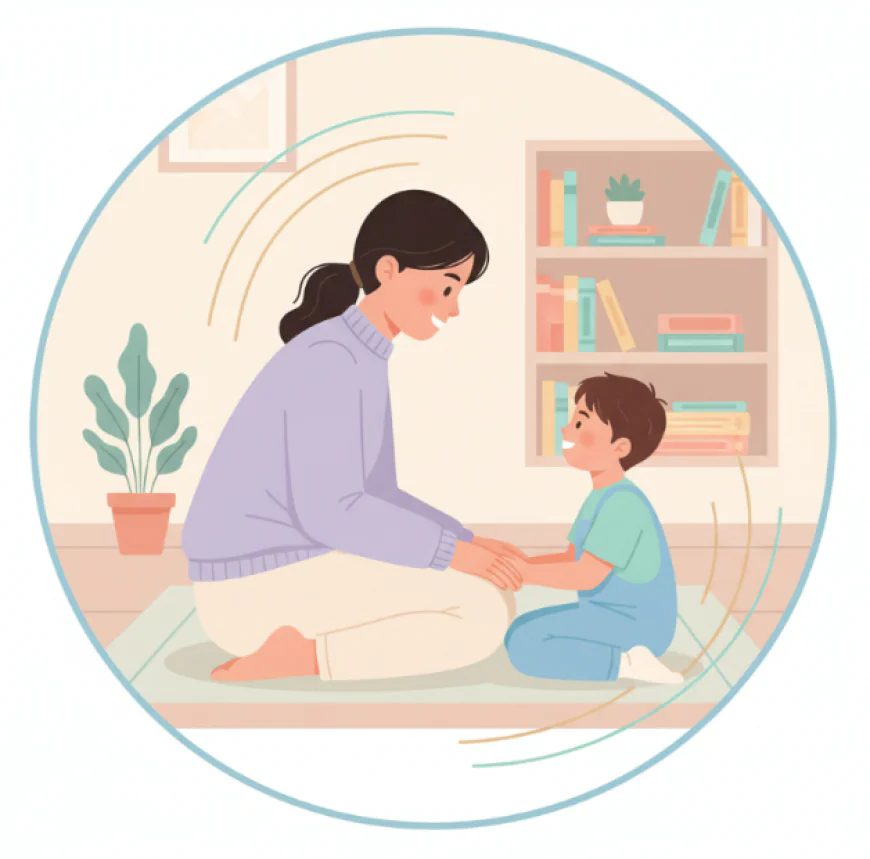
Many parents confuse discipline with punishment. In reality, positive discipline isn’t about yelling or forcing—it’s about guiding children to self-regulate, understand consequences, and take responsibility.
👉 The goal of positive discipline is not to make kids afraid, but to help them become more responsible, cooperative, and confident.
Why Choose Positive Discipline?
-
Builds trust between parents and children.
-
Encourages cooperation instead of resistance.
-
Helps kids distinguish right from wrong and self-correct behavior.
-
Nurtures confidence and responsibility instead of fear or guilt.

Core Principles of Positive Discipline
-
Respect Your Child
Communicate with a calm tone, listen to their feelings, and avoid shouting. -
Set Clear Boundaries
-
Keep rules simple and understandable.
-
Explain why each rule matters.
-
Focus on Solutions, Not Mistakes
Example: Instead of scolding when water spills, help your child clean it up and remind them to be careful. -
Encourage and Praise
-
Acknowledge effort, not just results.
-
Honest praise helps kids feel valued.
-
Be a Role Model
Children learn best from what parents do. Patience and respect shown by parents will be mirrored by kids.

Tips for Parents
-
Be patient—behavioral change takes time.
-
Stay consistent between caregivers to avoid confusion.
-
Avoid extreme rewards or punishments; highlight natural consequences instead.
Positive discipline doesn’t just make kids well-behaved and cooperative—it builds a foundation of respect and love in the parent-child relationship.
👉 Teaching with guidance, not fear, is the key to raising confident and empathetic children.
What's Your Reaction?
 Like
0
Like
0
 Dislike
0
Dislike
0
 Love
0
Love
0
 Funny
0
Funny
0
 Angry
0
Angry
0
 Sad
0
Sad
0
 Wow
0
Wow
0