



Understanding Children’s Anger: How Should Parents Respond?
Children’s anger is natural. Learn common causes, signs, and 5 effective parenting strategies to guide kids through anger with empathy.
Anger—A Natural Reaction, Not a “Bad” Trait
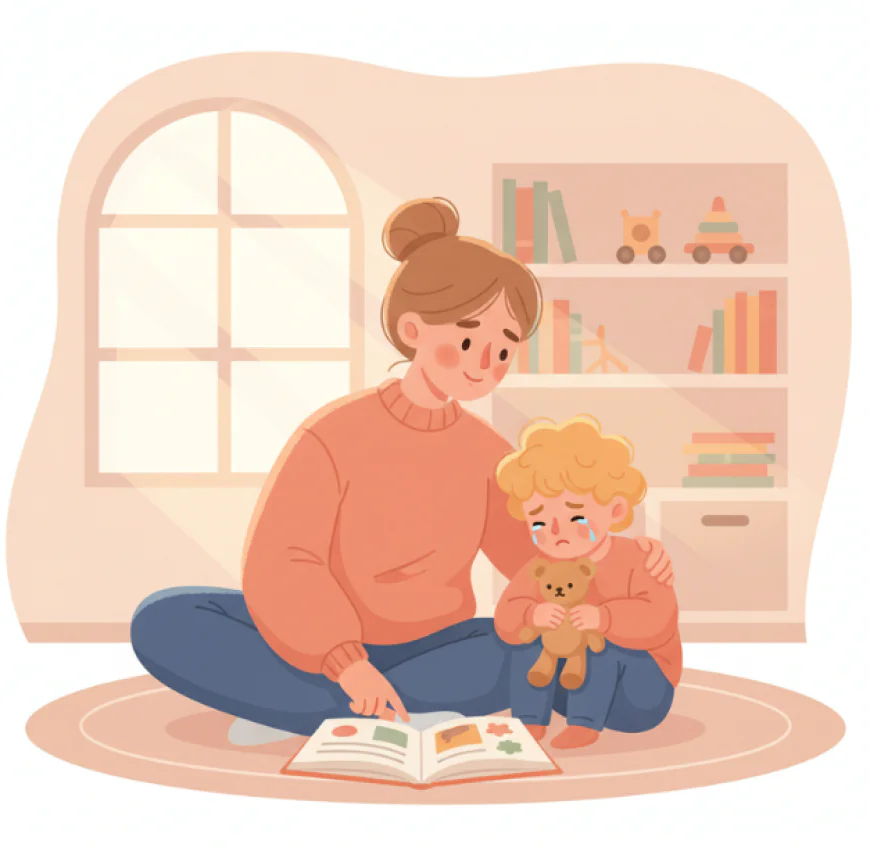
Anger in children is a natural emotional response when they feel frustrated, tired, hungry, or misunderstood. Instead of labeling anger as “bad behavior,” parents should understand its causes and learn how to support their child through it—teaching emotional regulation while maintaining a healthy relationship.
👉 The goal is not to eliminate anger, but to help kids recognize, express, and manage emotions safely.
Signs of Anger in Children
-
Crying, yelling, throwing or hitting objects.
-
Angry looks, slamming doors, or withdrawal.
-
Rapid breathing, red face, tense body.
-
Repetitive aggressive behaviors like kicking or biting.
👉 Signs vary with age: younger kids often show it through actions; older kids may use strong words or isolate themselves.
Common Causes of Anger in Kids
-
Basic needs unmet: hunger, fatigue, lack of sleep.
-
Boundaries or rejection: difficulty accepting “no.”
-
Emotional overload: overstimulation or noisy environments.
-
Limited language skills: unable to express feelings verbally.
-
Imitating others: copying peers or adults.
-
Major life changes: moving house, divorce, starting school.

Principles for Responding to Anger
-
Stay calm: parents set the tone. Yelling only escalates the situation.
-
Ensure safety: gently prevent harm to self or others.
-
Avoid reasoning during peak anger: wait until calm to talk.
Practical Techniques Parents Can Use
-
Acknowledge and label emotions
-
Example: “I see you’re angry because playtime ended.”
-
Helps kids feel understood and learn emotion vocabulary.
-
Use clear, short boundaries
-
“I understand you’re upset, but throwing toys isn’t allowed.”
-
Offer alternatives: “You can sit quietly or take deep breaths with me.”
-
Breathing & calming exercises
-
Teach slow breathing (inhale 4, hold 2, exhale 6).
-
Use playful methods like “blowing imaginary bubbles.”
-
Calm corner—not a punishment spot
-
A cozy place with pillows, stuffed animals, or books for self-regulation.
-
Problem-solving after calm
-
Ask: “Do you want to tell me what made you upset? Let’s find another way.”
-
Praise self-regulation skills
-
“I’m proud you used words instead of hitting.”
-
Natural consequences instead of harsh punishment
-
If a toy breaks, child helps clean up.
-
Teaches accountability without shaming.

What Parents Should Avoid
-
Yelling or physical punishment.
-
Harsh discipline in the heat of the moment.
-
Giving in just to stop the anger.
-
Shaming or comparing kids.
Long-Term Strategies
-
Teach emotion words early
-
Happy, sad, angry, scared, embarrassed—give kids tools to express.
-
Build healthy routines
-
Sleep, meals, screen-free time before bed.
-
Role-play scenarios
-
Practice responses to teasing, rejection, or losing a toy.
-
Provide consistency & clear expectations
-
Predictable rules and schedules give children security.
When to Seek Professional Help
-
Anger is extreme, frequent, or harmful.
-
Constant irritability, poor sleep, or school difficulties.
-
No progress with at-home strategies after several weeks.
👉 Consult a pediatrician or child psychologist if needed.
Children’s anger is an opportunity to teach emotional skills, not just a problem to “fix.” With calm guidance, boundaries, and empathy, parents can help kids manage anger in healthy ways—a life skill that builds resilience and emotional intelligence.
👉 Patience, consistency, and love are the keys.
What's Your Reaction?
 Like
0
Like
0
 Dislike
0
Dislike
0
 Love
0
Love
0
 Funny
0
Funny
0
 Angry
0
Angry
0
 Sad
0
Sad
0
 Wow
0
Wow
0