






Baby Body Language: How to Understand and Respond the Right Way
Learn how to read your baby’s body language—hunger, sleep, or play cues—and respond correctly to build trust and emotional bonding.
When Babies “Speak” With Their Bodies
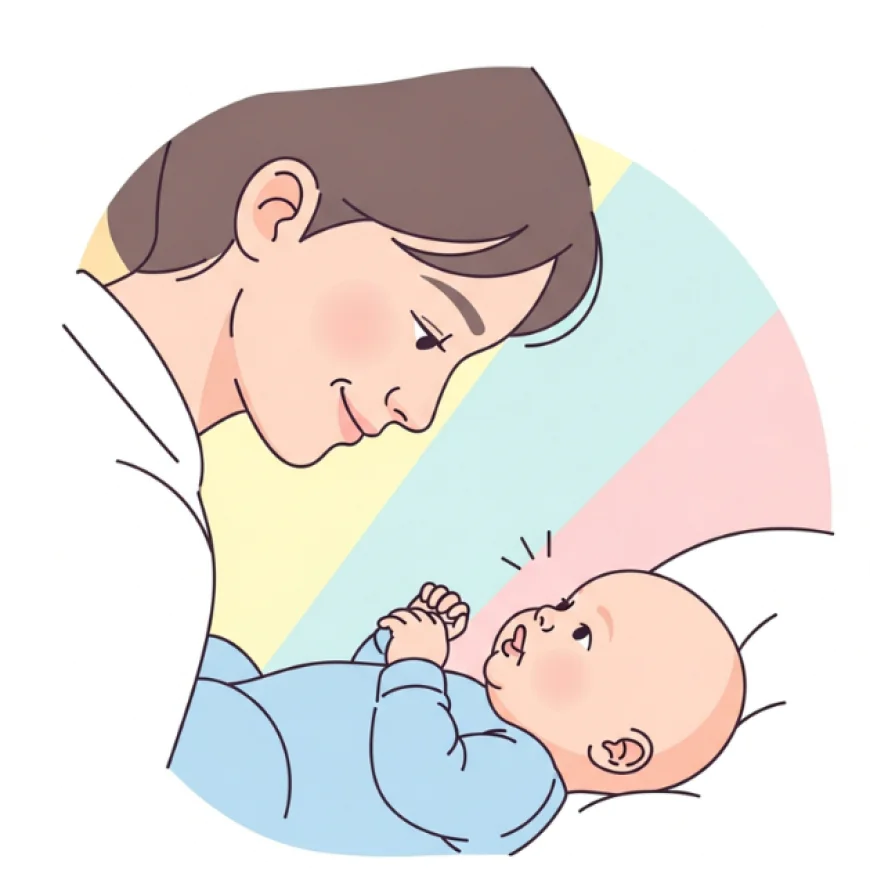
In the first year of life, babies cannot use words, but that doesn’t mean they don’t communicate. In fact, body language is their first and most powerful form of communication. From eye contact and hand movements to cries and posture, every little action carries meaning.
👉 Learning to recognize and respond to these signals not only helps parents meet their baby’s needs quickly but also builds a sense of security and strengthens the emotional bond between parent and child.
Why Body Language Matters
-
Main communication channel before speech develops.
-
Helps parents react faster to hunger, sleepiness, or discomfort.
-
Creates emotional safety when babies feel understood.
-
Lays the foundation for language skills by giving babies positive communication experiences.
Common Signals Parents Should Notice
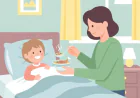
1. Signs of Hunger
-
Rooting reflex (turning head, opening mouth).
-
Sucking fingers, making small sounds.
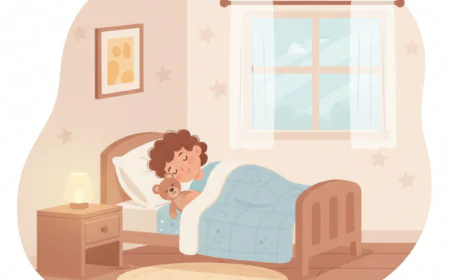
2. Signs of Sleepiness
-
Rubbing eyes, yawning, fussiness.
-
Slowing down movements, losing interest in toys.
3. Signs of Discomfort
-
Arching back, stiffening body.
-
High-pitched crying, kicking legs.
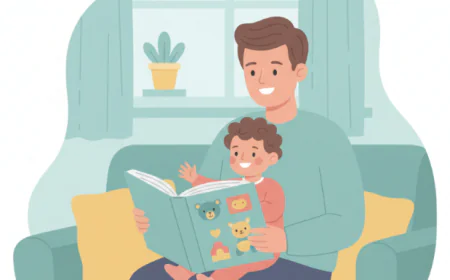
4. Signs of Engagement and Playfulness
-
Direct eye contact, smiling, cooing.
-
Reaching out, waving, bouncing legs.
5. Signs of Overstimulation
-
Turning face away, avoiding eye contact.
-
Whining or crying in short bursts, pushing away.
How to Respond the Right Way
-
Observe carefully: combine signals instead of focusing on one.
-
Respond gently: use soothing tone and calm gestures.
-
Adjust the environment: dim lights, reduce noise if overstimulated.
-
Stay emotionally calm: babies mirror parents’ emotions.
-
Be consistent: responding the same way builds trust.
Common Mistakes Parents Make
-
Assuming all crying means hunger → unnecessary feeding.
-
Ignoring subtle cues like turning face away or finger sucking.
-
Overreacting to normal signs like hiccups or stretching.
-
Lack of consistency between parents → confusing for the baby.

“Listen” With Eyes and Heart
👉 Every smile, stretch, or glance is your baby’s way of talking to you. By learning to “listen” with your eyes and heart, you not only meet your baby’s needs but also create a secure emotional foundation that supports healthy growth and development.
What's Your Reaction?
 Like
0
Like
0
 Dislike
0
Dislike
0
 Love
0
Love
0
 Funny
0
Funny
0
 Angry
0
Angry
0
 Sad
0
Sad
0
 Wow
0
Wow
0