





When Babies Start Rolling and Crawling: How Parents Can Prepare a Safe Environment
From outlet covers to safe play areas, discover how to prepare your home when your baby starts rolling and crawling. A parent’s guide to safety and growth.
A Golden Stage of Movement
When babies begin to roll over and crawl, parents often feel both excited and anxious. This is a milestone that marks curiosity, independence, and physical growth. At the same time, it brings new risks, since babies will explore every corner of the house.
👉 A safe environment gives babies the freedom to move and discover while giving parents peace of mind. So, how can parents prepare the home to keep their little explorer safe?
Understanding Development: From Rolling to Crawling
-
Rolling: usually between 3–5 months. Babies start to turn over, lift their head, and push up with their arms.
-
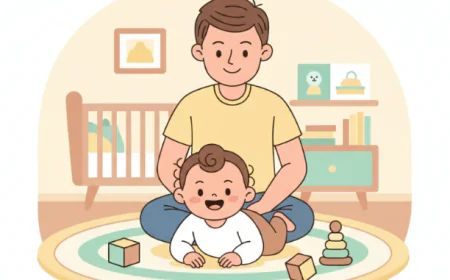
Crawling: between 6–10 months. Babies move on their hands and knees, or sometimes scoot on their tummy to reach objects.
-
These movements help develop muscles, bones, coordination, and confidence.
Common Hazards at Home
-
Electrical outlets and cords → risk of shock.
-
Small objects (coins, beads, small toys) → choking hazards.
-
Sharp furniture corners → injuries when babies bump into them.
-
Slippery floors or loose rugs → risk of falls.
-
Stairs and doors → risk of serious accidents.

Preparing a Safe Environment
-
Use outlet covers to block electrical sockets.
-
Remove small objects from floor and low tables.
-
Install safety gates at stairs and doorways.
-
Add corner guards on tables and sharp furniture.
-
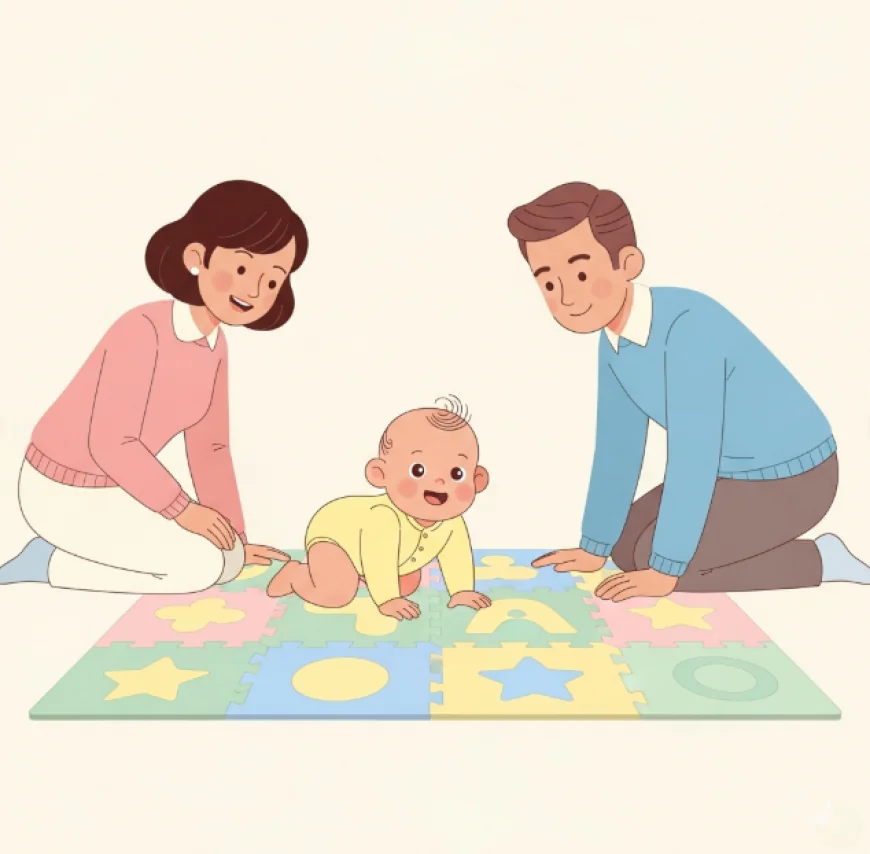
Place non-slip mats or foam play mats in play areas.
-
Secure heavy furniture to walls to prevent tipping.
Creating a Safe Play Zone
-
Set up a designated play area with soft mats, safe toys, and natural light.
-
Always supervise.
-
Encourage free movement within this safe space, giving babies room to practice new skills.
Parents’ Role in This Stage
-
Constant supervision: never leave babies alone for too long.
-
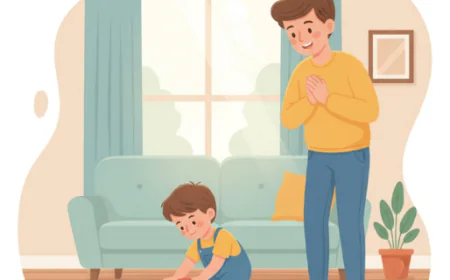
Encouragement and support: cheer them on as they roll and crawl.
-
Patience: each baby develops at their own pace.
-
Early safety habits: gently guide babies away from unsafe areas.
A Safe Space, a Confident Journey
👉 When babies learn to roll and crawl, the home becomes their first playground. Preparing a safe space not only protects them from accidents but also helps them grow in confidence, strength, and curiosity. For parents, it’s a way to truly walk alongside their child in the earliest steps of life.
What's Your Reaction?
 Like
0
Like
0
 Dislike
0
Dislike
0
 Love
0
Love
0
 Funny
0
Funny
0
 Angry
0
Angry
0
 Sad
0
Sad
0
 Wow
0
Wow
0