






Baby Safety 24/7: How to Keep Your Child Safe at Home and Outdoors
Your 24/7 guide to baby safety: practical tips to keep your child safe at home, in the car, and outdoors. Peace of mind for parents, protection for kids.
Parents’ Constant Worry
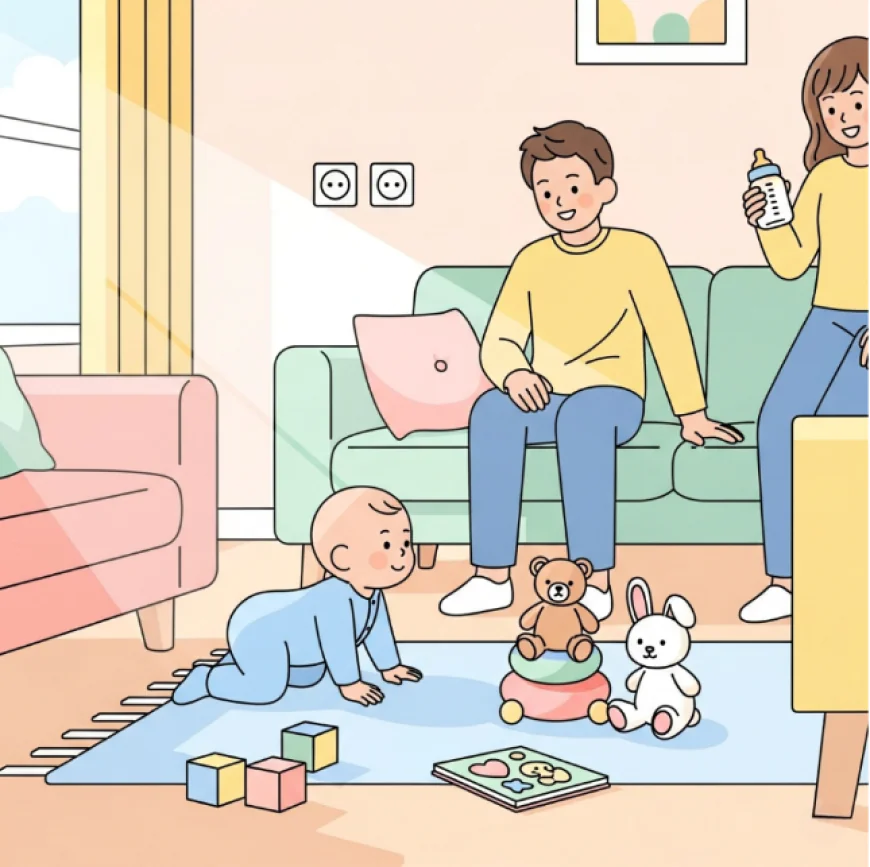
Parenthood is filled with joy, but also with constant worry—especially when it comes to your baby’s safety. It only takes a second: a curious hand reaching for a socket, a small toy in the mouth, or a slip in the bathroom. When outdoors, risks increase—busy roads, crowds, or unfamiliar places.
👉 The truth is, parents cannot eliminate every risk, but you can minimize dangers significantly by preparing your home environment, setting safe routines, and teaching your child good habits early on.
This article is your 24/7 baby safety guide—with practical tips for keeping your child safe both at home and when stepping outside.
Why Baby Safety Should Be a Top Priority
-
Curiosity and energy: Babies learn by exploring—often in risky ways.
-
Fragile bodies: Their immune system and bones are more vulnerable.
-
Hidden hazards everywhere: Small objects, water, cords, traffic.
👉 Baby-proofing your environment not only protects your child but also gives parents peace of mind, reducing stress in daily life.
Home Safety: Creating a Safe Environment
1. Living room and bedroom
-
Use socket covers.
-
Secure bookshelves and cabinets to prevent tipping.
-
Keep cords (curtains, chargers) out of reach.
2. Kitchen
-
Store knives, scissors, and glassware safely.
-
Turn pot handles inward when cooking.
-
Use safety locks on cabinets.
3. Bathroom
-
Never leave your child alone in the bath.
-
Use non-slip mats.
-
Store cleaning products in locked cabinets.
4. Toys and small objects
-
Avoid toys with tiny detachable parts.
-
Check regularly for broken toys.

Outdoor Safety: Preparing Before and During Trips
1. Car rides
-
Always use a car seat suited for your child’s age.
-
Rear-facing seats for children under 2 years.
-
Never hold your baby in your lap while driving.
2. Walking or park visits
-
Always hold your child’s hand when crossing roads.
-
Teach simple traffic signals early.
-
Use safety wristbands or child harnesses in crowded places.
3. At supermarkets or malls
-
Don’t leave your child alone in a shopping cart.
-
Teach them to approach security staff if lost.
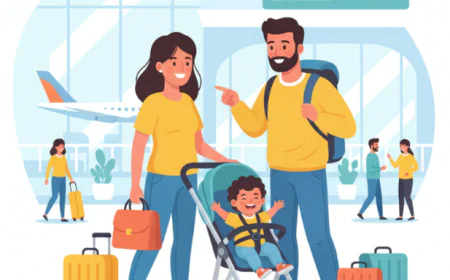
4. Traveling or vacations
-
Carry a mini first aid kit.
-
Keep clean water and safe snacks on hand.
-
Always supervise near pools or the beach.
Teaching Safety Habits from an Early Age
-
Use simple words: “Hot! Don’t touch.” “Electricity—danger.”
-
Praise safe behavior (sitting in a car seat, holding hands).
-
Repeat rules consistently until they become habits.
Tips for Parents
-
Accept imperfection: minor bumps are part of learning.
-
Share responsibility: involve grandparents or trusted caregivers.
-
Stay calm: in accidents, your calmness reassures your child.

Safety Is a Journey, Not a Destination
Keeping your child safe is a 24/7 responsibility. But instead of constant fear, parents can choose to approach safety with preparedness and calmness.
👉 Remember: safety is not just about preventing accidents. It’s about creating a secure environment where your child can explore, learn, and grow with confidence.
With the right steps, safety becomes part of daily life—protecting your child while allowing them the freedom to enjoy their world.
What's Your Reaction?
 Like
0
Like
0
 Dislike
0
Dislike
0
 Love
0
Love
0
 Funny
0
Funny
0
 Angry
0
Angry
0
 Sad
0
Sad
0
 Wow
0
Wow
0