



Building Hygiene Habits for Children from the Early Years
Learn how to build healthy hygiene habits for children from the early years. Practical tips for handwashing, oral care, and daily routines at home.
Hygiene Is More Than Cleanliness
In the early years, parents often focus on nutrition and growth. But there’s another crucial foundation: hygiene habits. Teaching children to care for their bodies and surroundings not only keeps them healthy but also fosters independence and lifelong discipline.
👉 Many parents ask: “When should I start teaching handwashing?”, “Do I need to brush my baby’s teeth this early?” The truth is: the earlier you start, the easier it becomes for children to adopt healthy habits naturally.
This article will show why hygiene matters, which habits to teach first, and how to make them fun and safe for your child.
Why Early Hygiene Habits Matter
-
Prevent illness: reduces infections like flu, diarrhea, hand-foot-mouth disease.
-
Build routine: children learn structure in daily life.
-
Encourage independence: kids gradually take care of themselves.
-
Promote community awareness: clean habits teach respect for others.
Basic Hygiene Habits to Teach Children
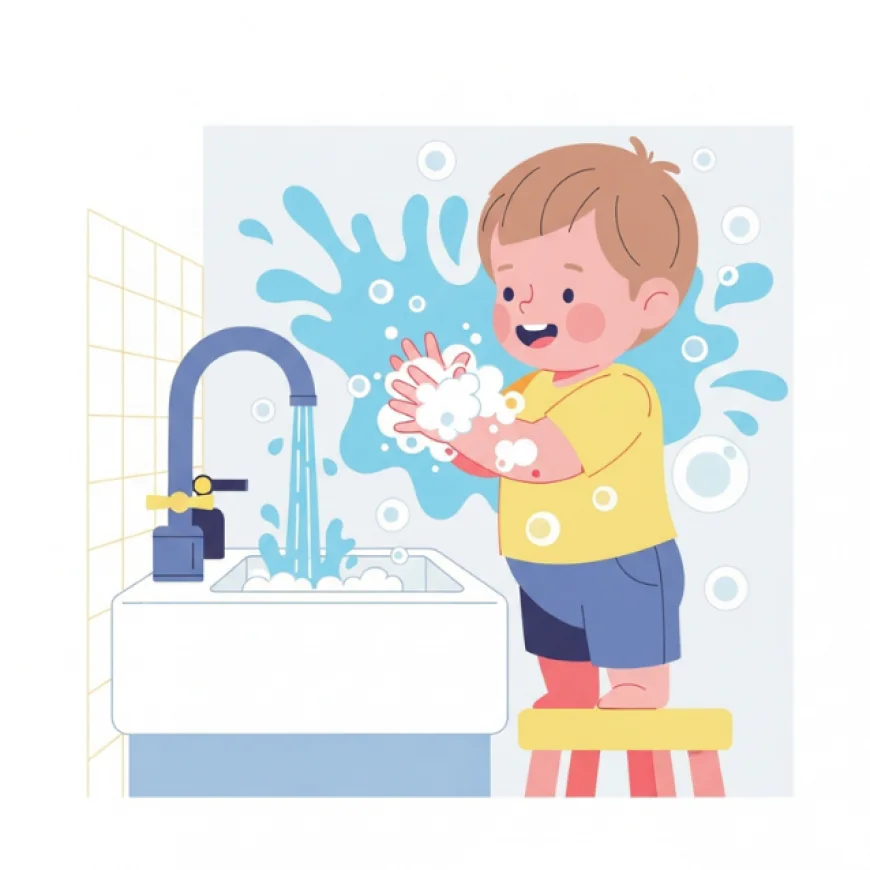
1. Handwashing
-
Before eating, after bathroom use, after outdoor play.
-
Use gentle soap, wash for at least 20 seconds.
-
Turn it into a game—sing a song while washing.
2. Oral Care
-
Clean gums with a soft damp cloth even before teeth appear.
-
Start brushing once the first tooth emerges.
-
Use a soft-bristled brush, a rice-grain-sized amount of toothpaste.
3. Bathing and Clothing
-
Regular baths, especially after sweating or outdoor play.
-
Clean clothes, breathable fabrics.
4. Toilet Habits
-
Introduce potty training when ready (around 2–3 years old).
-
Teach proper wiping and always washing hands afterward.
5. Keeping Toys and Space Clean
-
Encourage kids to put toys away after playing.
-
Wipe surfaces and wash toys regularly.

Making Hygiene Fun for Children
-
Be a role model: wash hands and brush teeth together.
-
Gamify hygiene: counting games, songs, reward charts.
-
Encourage with praise: celebrate small efforts.
-
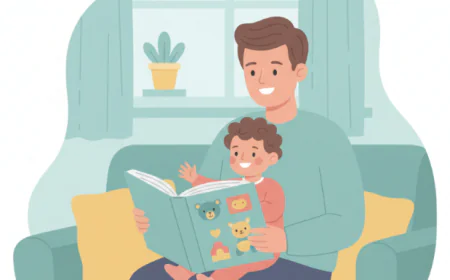
Use visuals: posters or storybooks to make hygiene engaging.
👉 Rule of thumb: make it enjoyable, not forced.
Safety Tips for Parents
-
Each child learns at their own pace → patience is key.
-
Avoid harsh cleaning products; choose child-safe options.
-
Supervise water play for safety.
-
Don’t expect perfection—focus on consistency.

A Foundation for the Future
Building hygiene habits early means fewer illnesses today and stronger responsibility tomorrow.
👉 Start with small steps, repeat daily, and turn hygiene into a fun and natural part of life. Over time, children won’t just stay clean—they’ll develop independence and lifelong self-care skills.
What's Your Reaction?
 Like
0
Like
0
 Dislike
0
Dislike
0
 Love
0
Love
0
 Funny
0
Funny
0
 Angry
0
Angry
0
 Sad
0
Sad
0
 Wow
0
Wow
0