












Hiccups, Spit-Ups, and Other Common Physiological Phenomena in Newborns
Understand newborn hiccups, spit-ups, and other common phenomena. Learn causes, safe remedies, and when parents should seek medical advice.
When the Body “Speaks”
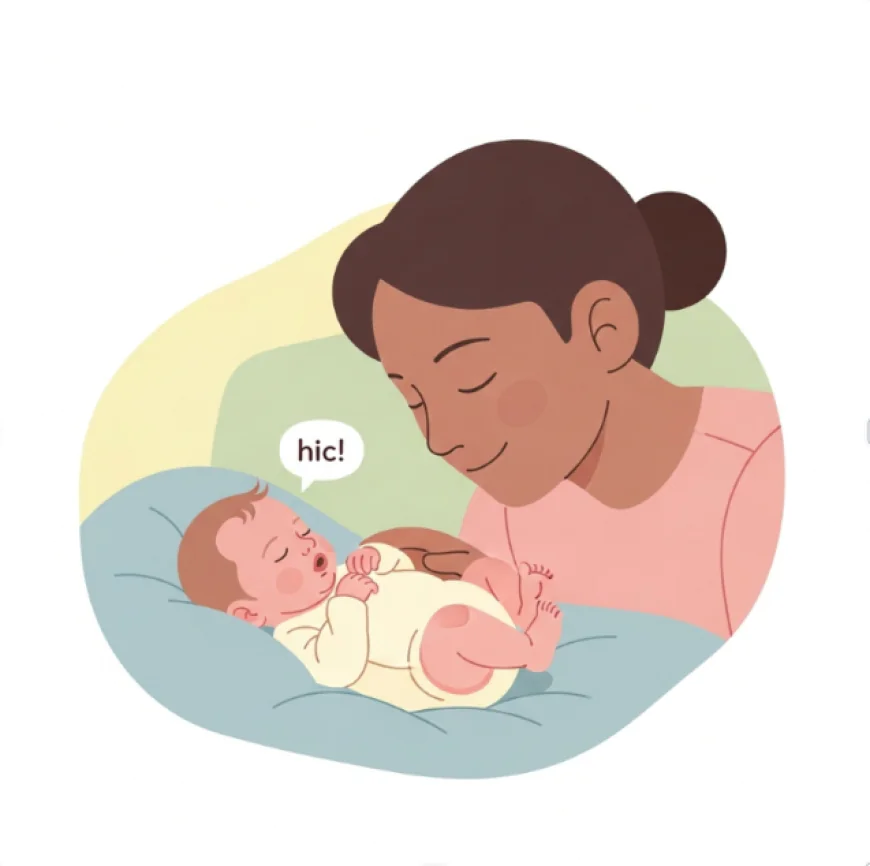
In the first months of life, many parents are startled when their newborns experience frequent hiccups, spit-ups, or squirming movements. These events often trigger unnecessary worry, as they may be mistaken for illnesses.
👉 In reality, most of these are normal physiological responses, reflecting the way a baby’s body is adjusting and developing. What matters is knowing which signs are normal and which require medical attention.
This article guides parents through the most common newborn phenomena, their causes, and safe ways to manage them with confidence and calmness.
Hiccups in Newborns
Causes
-
Immature nervous system and diaphragm.
-
Feeding too quickly, swallowing excess air.
-
Sudden changes in temperature.
Is It Dangerous?
👉 Most hiccups are harmless and naturally resolve as babies grow.
How to Help
-
Offer a pacifier or breastfeed briefly.
-
Hold baby upright and gently burp.
-
Avoid overfeeding or rushed feeding.
Spit-Ups (Regurgitation)
Causes
-
Weak esophageal sphincter.
-
Overfeeding or lying down immediately after feeding.
-
Swallowing air while feeding.
When Is It Normal?
-
Small amounts of spit-up after feeding.
-
Baby continues to gain weight and seems content.
When to Be Concerned
-
Frequent, forceful vomiting.
-
Accompanied by fever, diarrhea, or weight loss.
How to Reduce Spit-Ups
-
Feed slowly, pausing to burp.
-
Keep baby upright for 20–30 minutes after feeding.
-
Slightly elevate baby’s head while lying down.

Other Common Physiological Phenomena
-
Squirming/stretching: natural reflexes of developing muscles.
-
Sneezing: a way to clear nasal passages.
-
Day-night confusion: circadian rhythm not yet set.
-
Night sweating: immature temperature regulation.
👉 These typically improve over time as the baby matures.
When Parents Should Worry
-
Hiccups with breathing difficulty or blue lips.
-
Spit-ups with blood, green, or yellow fluid.
-
Persistent crying, refusal to feed.
-
Lack of weight gain or weight loss.
👉 These are warning signs that need medical evaluation.
Advice for Parents
-
Remember: most of these are normal and temporary.
-
Observe the baby as a whole: feeding, sleeping, and growth are key indicators.
-
Maintain a calm, safe, and comfortable environment.
-
Consult a doctor whenever in doubt.
Stay Calm to Care Better
Hiccups, spit-ups, and squirming may worry parents, but they are often part of normal newborn development.
👉 The best approach: observe calmly – manage gently – seek help when necessary. With patience and love, parents can turn these moments into reassuring steps in their baby’s growth journey.
What's Your Reaction?
 Like
0
Like
0
 Dislike
0
Dislike
0
 Love
0
Love
0
 Funny
0
Funny
0
 Angry
0
Angry
0
 Sad
0
Sad
0
 Wow
0
Wow
0