










Nutrition for Constipated Children: Foods to Eat and Avoid
Nutrition tips for constipated children. Discover foods to eat and avoid, plus parent-friendly advice to support healthy digestion and comfort.
Constipation – A Common Worry for Parents
Constipation is one of the most common digestive issues in children. Parents often worry when their child has fewer bowel movements, passes hard stools, or seems uncomfortable and fussy.
👉 The good news is that constipation in children is usually not a serious illness. It’s most often linked to diet, hydration, and lifestyle habits. By making smart nutrition choices, parents can support a healthier digestive system and help their child feel better.
Common Dietary Causes of Constipation in Children
-
Low fiber intake: not enough fruits and vegetables.
-
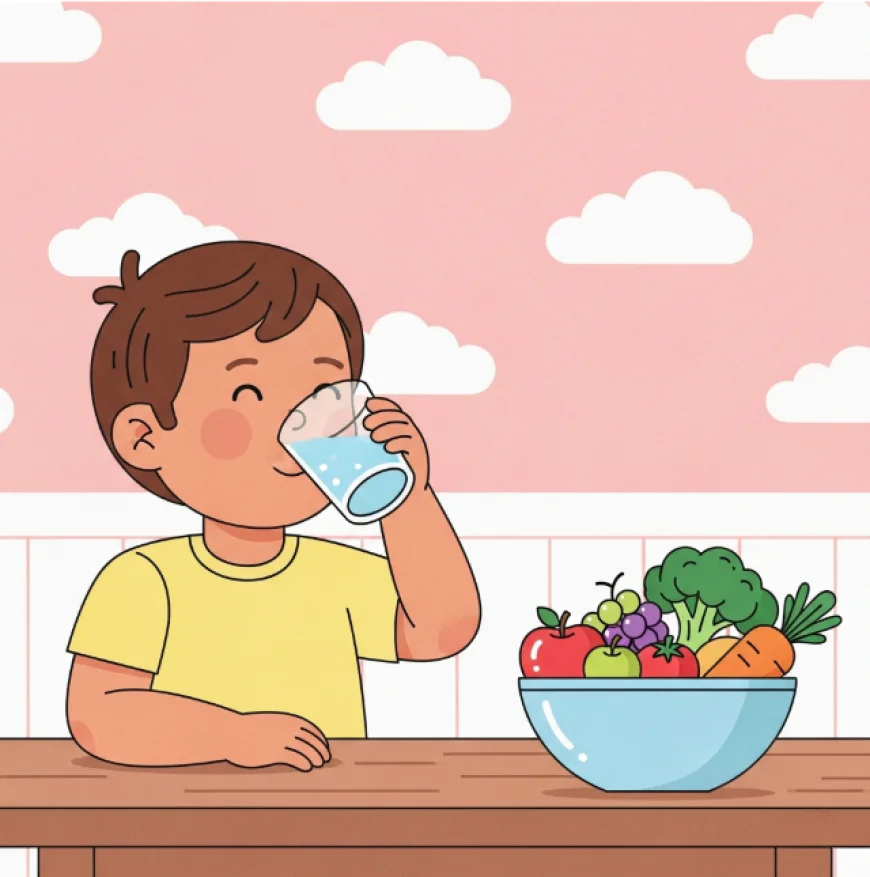
Inadequate hydration: not drinking enough water.
-
Too many processed foods: sausages, snacks, fried items.
-
Lack of food variety: limited diet reduces gut motility.
Foods to Add When a Child Is Constipated
-
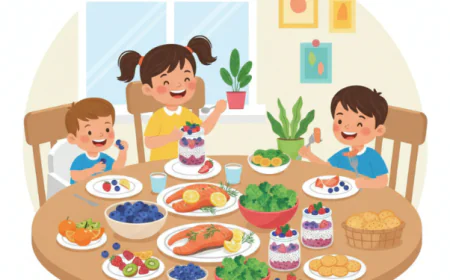
Green vegetables: spinach, broccoli, pumpkin.
-
Fiber- and water-rich fruits: pears, apples, prunes, papaya.
-
Whole grains: oats, brown rice, whole-wheat bread.
-
Legumes: lentils, green beans, red beans.
-
Yogurt and probiotic-rich foods: help balance gut bacteria.
-
Plenty of water: encourage regular fluid intake.

Foods to Limit or Avoid
-
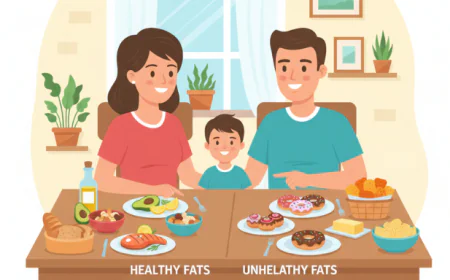
Fast food and processed snacks: low in fiber, high in fat.
-
Sweets and chocolate: slow down bowel movements.
-
Whole milk in excess: can cause bloating and discomfort.
-
Deep-fried foods: heavy and difficult to digest.
Additional Tips for Parents
-
Establish a regular toilet routine.
-
Encourage daily physical activity to stimulate bowel function.
-
Adjust diet gradually, not suddenly.
-
Monitor symptoms—if constipation lasts over two weeks or is accompanied by pain or blood, consult a doctor.

Balance Is the Key
👉 Constipation in children can often be managed effectively with balanced nutrition and healthy routines.
By adding more fiber, fruits, vegetables, whole grains, and fluids, while limiting processed foods and heavy dairy, parents can help their child regain comfort and confidence at mealtimes. Patience, consistency, and small changes make a big difference.
What's Your Reaction?
 Like
0
Like
0
 Dislike
0
Dislike
0
 Love
0
Love
0
 Funny
0
Funny
0
 Angry
0
Angry
0
 Sad
0
Sad
0
 Wow
0
Wow
0