











Should Kids Take Multivitamins? Pros and Cons Explained
Should kids take multivitamins? Explore pros, cons, and when supplements are truly needed. Practical guide for parents to support healthy growth.

A Common Parental Dilemma
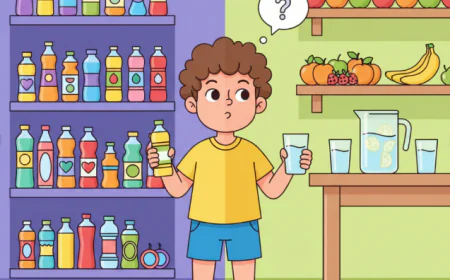
When children are picky eaters, often sick, or slow to gain weight, many parents turn to multivitamins as a quick solution. The market is full of products claiming to “boost height, strengthen immunity, or improve intelligence,” which can leave parents both hopeful and uncertain.
👉 The big question remains: Do kids really need multivitamins? This article explores the benefits, risks, and practical guidelines to help parents make informed decisions.
What Are Multivitamins?
-
Supplements that combine multiple vitamins and minerals (A, C, D, E, K, B vitamins, zinc, iron, calcium).
-
Intended to “fill nutritional gaps” in children’s diets.
-
Available in chewable tablets, syrups, gummies, or powders.
Pros of Multivitamins
-
Convenience: delivers many nutrients in one dose.
-
Helps picky eaters: reduces the risk of deficiencies.
-
Supports immunity: vitamins C, D, and zinc boost defenses.
-
Aids growth: calcium, vitamin D, and A support bones and teeth.
-
Useful in special cases: malnutrition, limited sun exposure, recovery from illness.

Cons and Risks
-
Not a substitute for real food: lacks fiber, probiotics, and antioxidants.
-
Risk of overdose: excess vitamin A can cause toxicity, too much iron can upset digestion.
-
Costly: not sustainable for every family.
-
Over-reliance: parents may skip efforts to improve diet quality.
When Are Multivitamins Recommended?
-
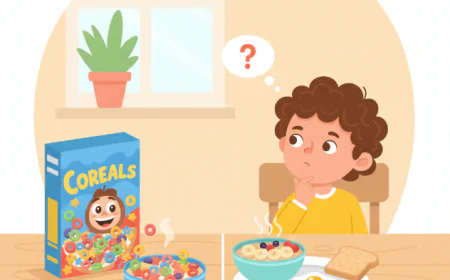
Persistent picky eating with limited food variety.
-
Children living in areas with little sunlight (risk of vitamin D deficiency).
-
Kids who are frequently sick or recovering from illness.
-
Special diets (vegetarian, food allergies).
⚠️ Always consult a pediatrician or nutritionist for the correct type and dosage.
Alternatives and Complementary Solutions
-
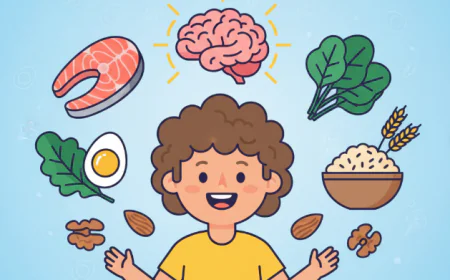
Prioritize fresh fruits, vegetables, lean proteins, whole grains, and dairy.
-
Encourage kids to explore different foods.
-
Ensure enough sleep, outdoor play, and sunlight for natural vitamin D.

Use Wisely, Not Excessively
Multivitamins can be helpful in specific situations, but they are not a magic fix.
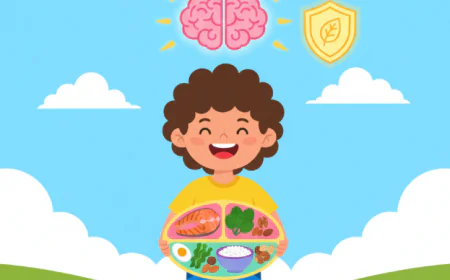
👉 The golden rule: food first, supplements only when needed. A varied, colorful diet remains the safest and most sustainable way to raise strong, healthy children.
What's Your Reaction?
 Like
0
Like
0
 Dislike
0
Dislike
0
 Love
0
Love
0
 Funny
0
Funny
0
 Angry
0
Angry
0
 Sad
0
Sad
0
 Wow
0
Wow
0