



The Role of Play in a Child’s Emotional Development
Play is how children explore emotions, build empathy, and develop resilience. Learn how play shapes emotional growth and how parents can guide it naturally.
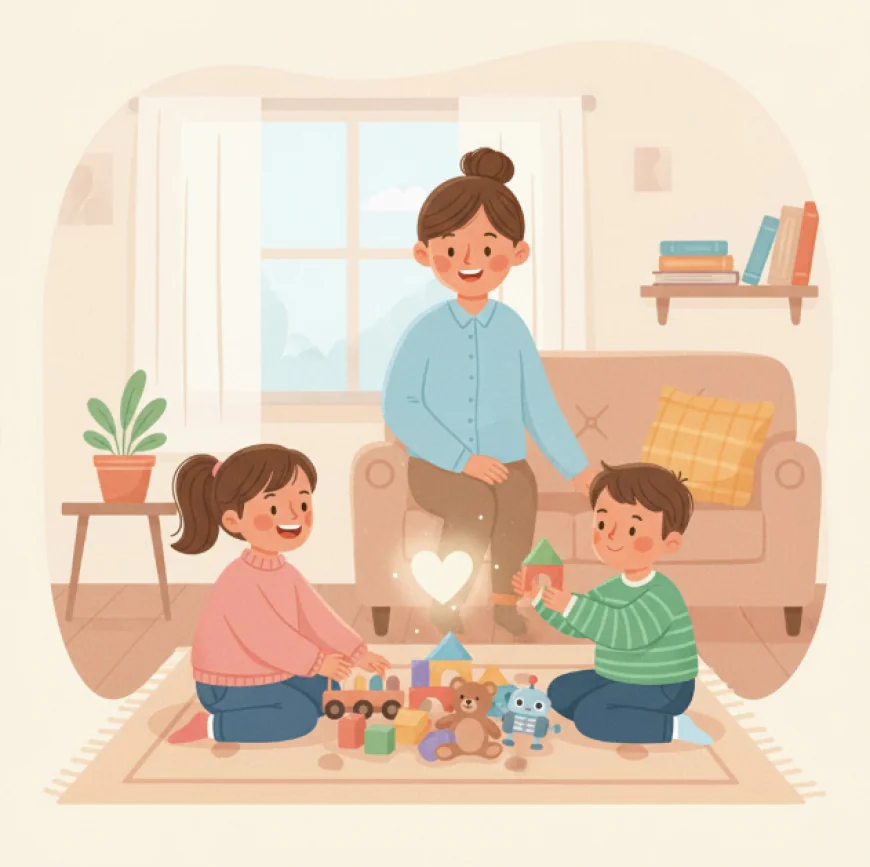
Play — A Child’s First Language of Emotion
For children, play isn’t just fun — it’s how they learn, express feelings, and connect with others.
Through play, kids experiment, make mistakes, solve problems, and discover emotional balance naturally.
👉 In many ways, play is the emotional gym that helps children build empathy, resilience, and confidence for life.
Why Play Is Essential for Emotional Growth
-
Helps Children Recognize Emotions
-
Role-play allows kids to name and express emotions — joy, anger, fear, sadness.
-
-
Teaches Emotional Regulation
-
Games involve winning, losing, and waiting — helping children manage frustration and stay calm.
-
-
Encourages Empathy
-
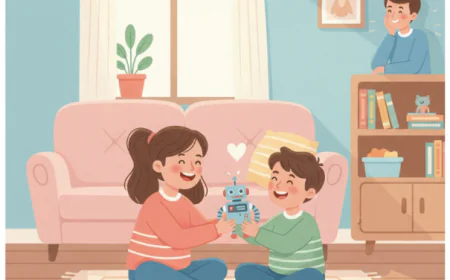
When pretending to be a doctor, teacher, or parent, children learn to understand others’ feelings.
-
-
Reduces Stress and Anxiety
-
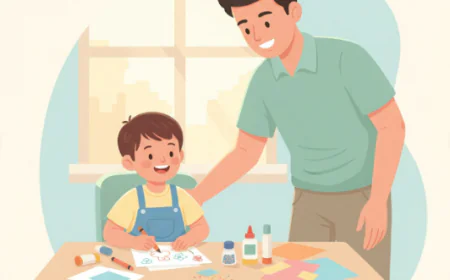
Creative play like drawing, building, or pretend play releases emotional tension and boosts joy.
-

Best Types of Play for Emotional Development
1. Role-Playing Games
-
Allow children to explore social roles and express feelings safely.
-
Examples: playing “doctor,” “store,” or “teacher.”
2. Group Physical Games
-
Teach teamwork, rule-following, and handling both victory and defeat.
-
Examples: tag, relay races, ball games.
3. Creative and Artistic Play
-
Lets kids express emotions through drawing, music, or building.
-
Boosts self-confidence and imagination.
4. Emotion-Based Play
-
Using emotion cards, facial expression charts, or mirrors to practice identifying and naming emotions.
How Parents Can Encourage Emotional Development Through Play
-
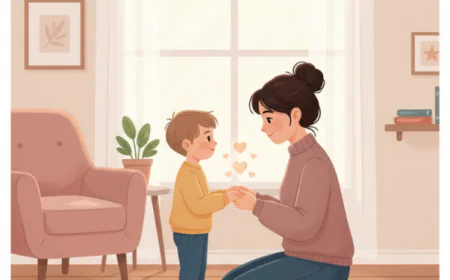
Join your child’s play to understand their feelings.
-
Avoid controlling the game — let them resolve conflicts naturally.
-
Ask open-ended questions: “How did you feel when your friend won?”
-
Praise emotional awareness: “You were so kind to share your toy.”
-
Create daily playtime that’s free, relaxed, and unstructured.

Parenting Reminder
Don’t turn playtime into a competition or a “learning session.”
The goal of play is experience, not performance.
Play is a child’s first emotional classroom — where they learn empathy, patience, and confidence through joy.
💛 Every game is more than entertainment — it’s a step toward emotional maturity.
What's Your Reaction?
 Like
0
Like
0
 Dislike
0
Dislike
0
 Love
0
Love
0
 Funny
0
Funny
0
 Angry
0
Angry
0
 Sad
0
Sad
0
 Wow
0
Wow
0