



Teaching Kids How to Manage Strong Emotions
Strong emotions are part of growing up. Discover how gentle parenting can help children recognize, express, and regulate feelings in healthy ways.
Emotions—A Friend, Not an Enemy
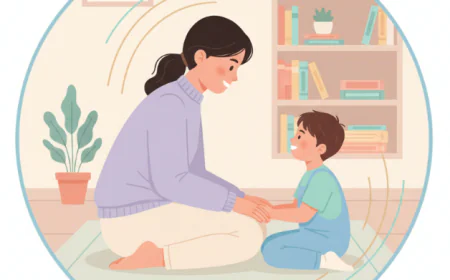
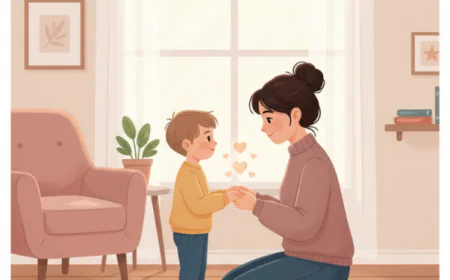
Children often experience emotions intensely: laughter when happy, tears when sad, shouting when angry. That’s normal. But without guidance, these emotions can easily spiral into frustration or aggression.
👉 Teaching emotional control doesn’t mean suppressing feelings—it means helping kids understand, recognize, and manage their emotions in healthy ways. This builds emotional intelligence, confidence, and resilience for life.
Why Kids Need to Learn Emotional Regulation
-
Improves communication: kids express feelings instead of yelling or hitting.
-
Boosts confidence: understanding emotions helps kids feel in control.
-
Enhances learning ability: emotional stability improves focus and memory.
-
Reduces conflict: children learn to stay calm and handle disagreements better.

How Parents Can Teach Kids to Manage Emotions
1. Name the Feeling
-
Label emotions: “You’re sad,” “You seem angry,” or “You’re feeling worried?”
-
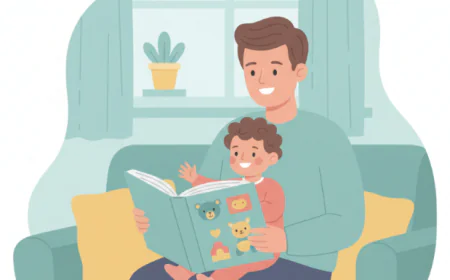
Use storybooks or emotion cards to help kids recognize different moods.
2. Allow Feelings Without Judgment
-
Avoid saying, “Don’t cry!” or “It’s not a big deal.”
-
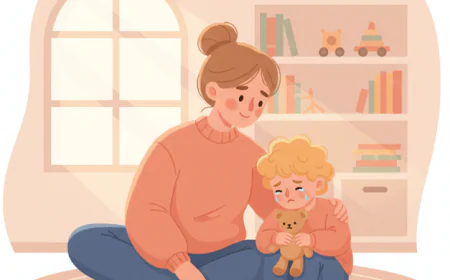
Try: “I see you’re upset. It’s okay to cry a little if that helps.”
3. Teach Calming Techniques
-
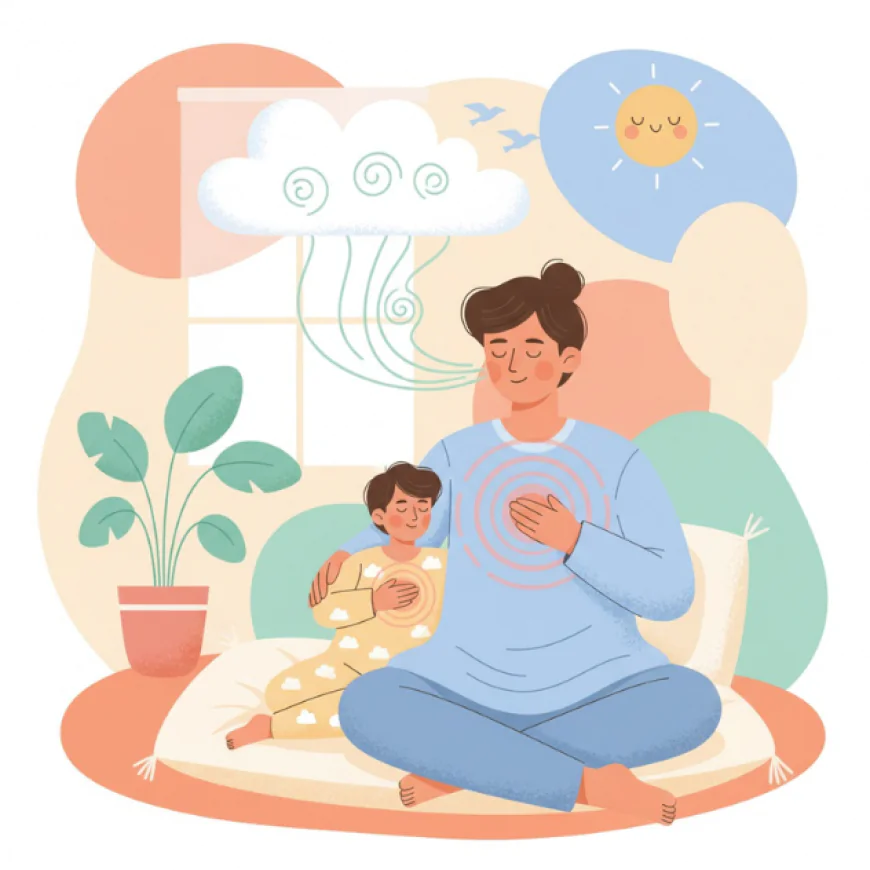
Practice deep breathing together: inhale – hold – exhale slowly.
-
Use fun imagery like “smelling flowers, blowing out candles.”
4. Create a Calm Corner
-
A quiet spot with pillows, books, or toys where kids can cool down.
-
Explain that this is a safe space, not a punishment.
5. Be the Example
-
Model calm reactions. If you lose your temper, show repair:
“I was angry earlier, so I took deep breaths to calm down.”

Daily Practices for Emotional Control
-
Discuss movie or story characters and their emotions.
-
Encourage “emotion journaling” or drawing feelings.
-
Ask open-ended questions: “What made you feel that way today?”
Emotional control is a lifelong skill, not a one-day lesson.
When parents respond with patience and empathy, kids learn to identify, express, and balance their emotions in healthy ways.
👉 A child who understands their emotions grows into an adult who can love deeply, listen fully, and stay strong inside.
What's Your Reaction?
 Like
0
Like
0
 Dislike
0
Dislike
0
 Love
0
Love
0
 Funny
0
Funny
0
 Angry
0
Angry
0
 Sad
0
Sad
0
 Wow
0
Wow
0