



Teaching Kids Gratitude: Practical Tips for Parents
Gratitude helps kids build character, empathy, and happiness. Discover practical parenting tips to teach gratitude in daily life.
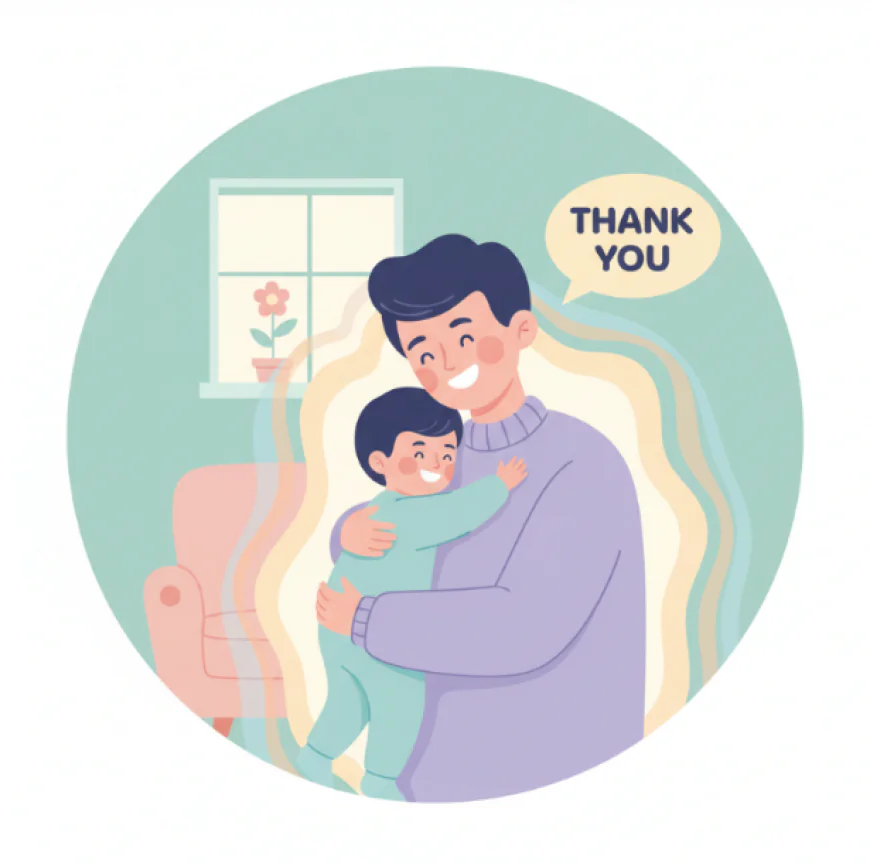
Gratitude—A Priceless Gift
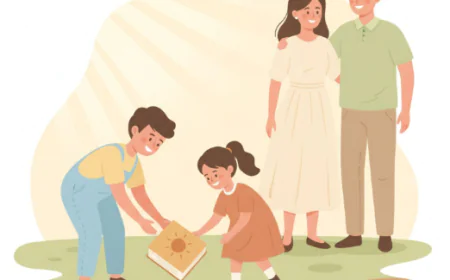
In today’s world of material abundance, children can easily take things for granted. Teaching kids gratitude helps them appreciate what they have while fostering kindness, empathy, and generosity.
👉 Gratitude is one of the most valuable gifts parents can give their children from an early age.
Why Is Gratitude Important for Kids?
-
Builds character: kids learn to value others’ efforts.
-
Boosts happiness: grateful people are often more content.
-
Improves relationships: saying “thank you” makes children more likable.
-
Encourages empathy: gratitude nurtures kindness and compassion.

Practical Tips to Teach Gratitude
-
Be a role model
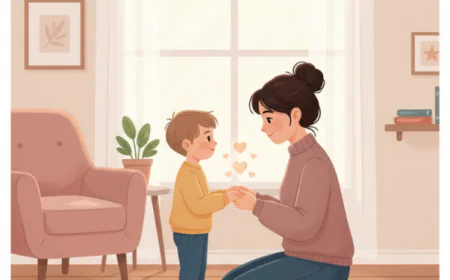
Children learn best by watching. Say “thank you” often—to your kids and to others. -
Make “thank you” a daily habit
-
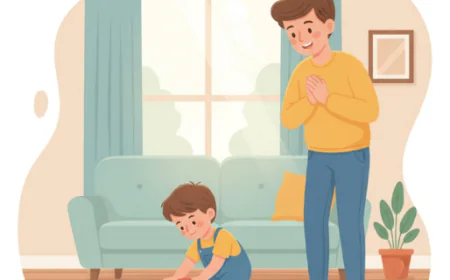
Remind kids to say thank you when receiving help.
-
Praise them when they show gratitude spontaneously.
-
Value the little things
Encourage kids to be thankful not just for gifts, but for small acts—like someone holding the door or a sunny day. -
Encourage gratitude journals or drawings
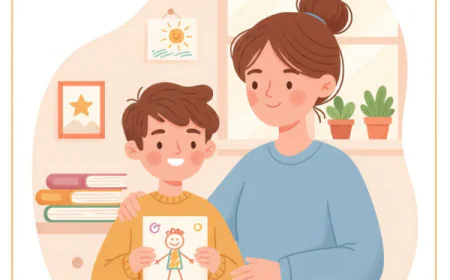
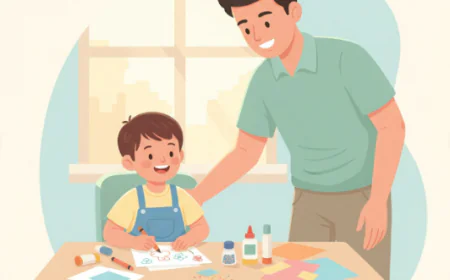
Have kids write or draw one or two things they’re thankful for each day. -
Promote acts of kindness
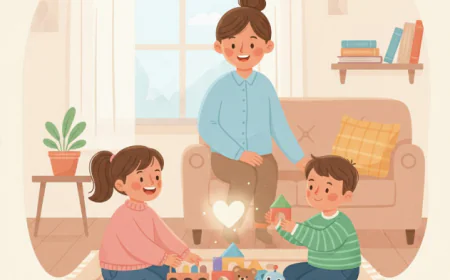
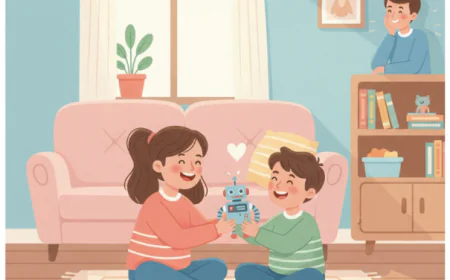
Sharing toys, helping friends, or doing small good deeds show kids that gratitude is linked to giving back.

Parenting Tips for Patience
-
Don’t force gratitude—habits take time.
-
Be consistent and gentle with reminders.
-
Accept different ways kids may show gratitude—words, smiles, or actions.
Teaching gratitude isn’t just about saying “thank you.” It’s about helping children build a positive, empathetic outlook on life.
👉 Planting the seeds of gratitude early will help kids grow into happy, kind individuals who spread positivity around them.
What's Your Reaction?
 Like
0
Like
0
 Dislike
0
Dislike
0
 Love
0
Love
0
 Funny
0
Funny
0
 Angry
0
Angry
0
 Sad
0
Sad
0
 Wow
0
Wow
0