







Helping Your Baby Adapt to Sounds and Lights in the First Months
Learn how babies adapt to sounds and lights in the first months. Simple tips to create a calm environment that supports sensory development.
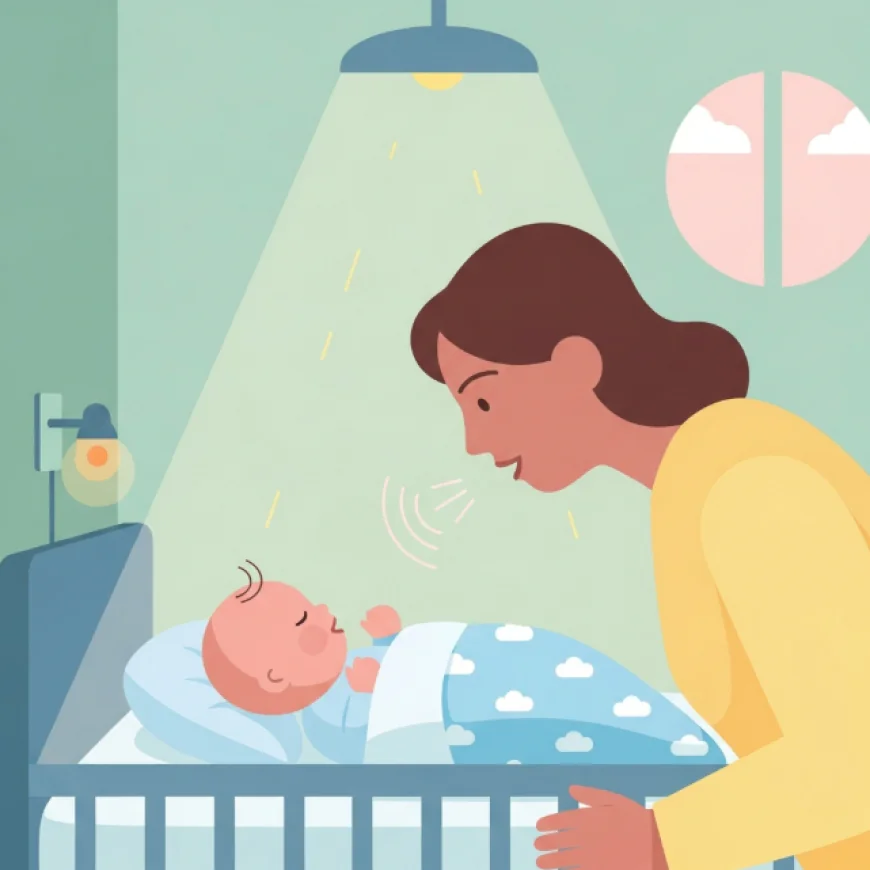
A Whole New World
From the moment they are born, babies face a world very different from the womb: bright lights, a variety of sounds, and a busy environment. This sudden change can make them startle easily, cry, or struggle to sleep.
👉 Understanding how your baby reacts to sounds and lights during the first months of life helps parents create a safe, soothing environment that supports sensory development and emotional security.
How Babies Perceive Sounds and Lights
-
Sounds: Even before birth, babies can hear voices and rhythms. After birth, they react to loud sounds with startle reflexes or crying, while gentle voices and lullabies calm them.
-
Lights: Newborns have blurry vision and can only see clearly at 8–12 inches. They are sensitive to bright light but are drawn to soft, dim environments. By a few months old, babies begin to distinguish colors and contrasts.
💡 This stage is the foundation for how babies adapt to their environment.
Tips to Help Babies Adapt to Sounds
-
Use a gentle voice: Talk, hum, and sing lullabies regularly.
-
Avoid sudden loud noises: Prevent startles by minimizing abrupt sounds.
-
Introduce positive sounds: Play soft music or nature sounds.
-
Differentiate day and night: Keep daytime a little livelier and nighttime calm to establish a sleep rhythm.

Tips to Help Babies Adapt to Lights
-
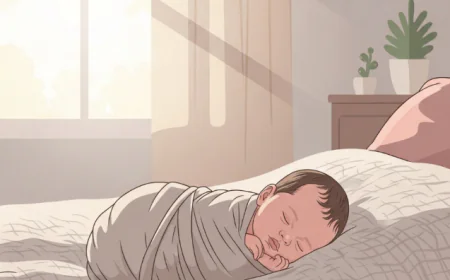
Daytime natural light: Let sunlight enter the room during the day so the baby learns the difference between day and night.
-
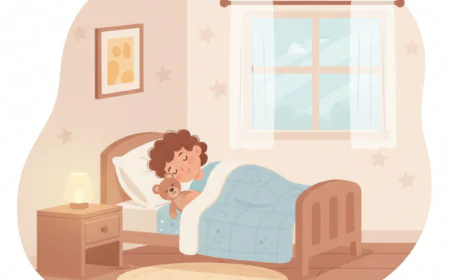
Dark nights: Keep the room dim during nighttime feedings or diaper changes.
-
Avoid harsh light: Never shine bright lights directly into baby’s eyes.
-
Encourage visual focus: Show high-contrast patterns or black-and-white images in the first 2–3 months.
When to Seek Extra Attention
Parents should consult a pediatrician if:
-
Baby does not respond to loud sounds after 3 months.
-
Baby cannot follow light or objects after 4 months.
-
Baby is overly sensitive, startles excessively, or cries constantly with light/sound exposure.
Guiding Through the Senses
👉 Sounds and lights are the first windows to the world for babies. By adjusting the environment and responding calmly, parents can help babies feel secure, adapt naturally, and develop sensory skills in a healthy way.
Building comfort through sound and light not only eases daily care but also lays the groundwork for future learning.
What's Your Reaction?
 Like
0
Like
0
 Dislike
0
Dislike
0
 Love
0
Love
0
 Funny
0
Funny
0
 Angry
0
Angry
0
 Sad
0
Sad
0
 Wow
0
Wow
0