











Co-Sleeping With Your Baby: Benefits, Risks, and Safety Guidelines
Discover the pros and cons of co-sleeping with your baby. Learn expert safety guidelines, risks, and safer alternatives for healthier sleep routines.
A Common Yet Controversial Practice
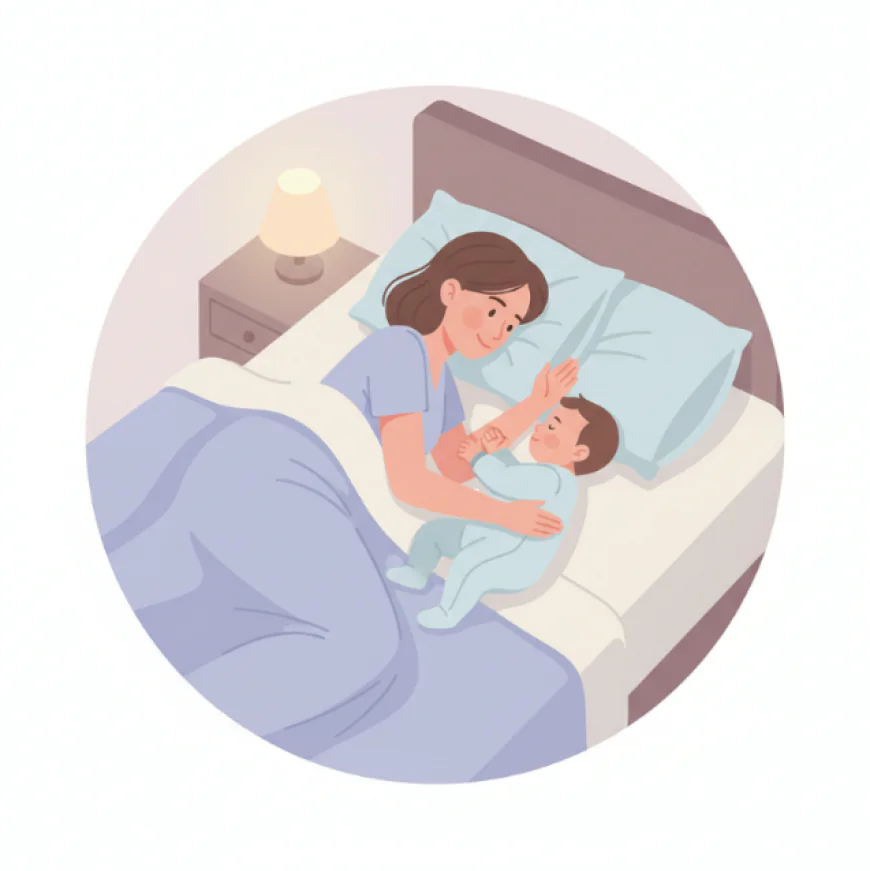
In many families, sharing a bed with a baby—also known as co-sleeping—is common. Parents often believe it makes night care easier and strengthens emotional bonding. However, experts remain divided: while co-sleeping may provide comfort and convenience, it can also pose serious safety risks for infants.
👉 This article explores the benefits, the potential dangers, and practical safety recommendations for families who choose to co-sleep with their baby.
Benefits of Co-Sleeping
-
Emotional bonding: babies feel warmth and security from being close to their parents.
-
Easier nighttime feeding, especially for breastfeeding mothers.
-
Improved sleep for babies: many cry less and sleep longer when near parents.
-
Parental responsiveness: parents are more aware of changes in their baby’s sleep.
Risks of Co-Sleeping
-
Suffocation risk: from pillows, blankets, or accidental parental movement.
-
Increased risk of Sudden Infant Death Syndrome (SIDS), especially in infants under 6 months.
-
Falls from the bed if the baby rolls off.
-
Delayed independent sleep habits as babies may struggle to self-soothe later.
Safety Guidelines for Parents
If you choose to co-sleep:
-
Keep the sleeping surface firm; avoid soft bedding or stuffed toys.
-
Always place the baby on their back.
-
Parents should avoid smoking, alcohol, or sedatives.
-
Ensure the bed has no gaps where the baby could get trapped.
-
Consider using a sidecar crib (attached bassinet) for safer co-sleeping.
Safer Alternatives
-
Room-sharing without bed-sharing: keep the baby in a crib or bassinet next to the parents’ bed.
-
Attached cribs or bedside sleepers: provide closeness while reducing suffocation risks.
-
Gradual independent sleeping: introduce self-soothing habits as the baby grows.

Making Informed and Safe Choices
👉 Co-sleeping isn’t inherently good or bad—it depends on how it’s practiced. Parents should balance bonding and convenience with safety, following expert guidelines.
No matter what choice families make, the baby’s safety and well-being must always come first.
What's Your Reaction?
 Like
0
Like
0
 Dislike
0
Dislike
0
 Love
0
Love
0
 Funny
0
Funny
0
 Angry
0
Angry
0
 Sad
0
Sad
0
 Wow
0
Wow
0