












How to Survive Sleepless Nights When Your Baby Cries
Struggling with sleepless nights? Learn why babies cry at night and practical tips to soothe them while caring for yourself as a parent.
The Challenge of Sleepless Nights
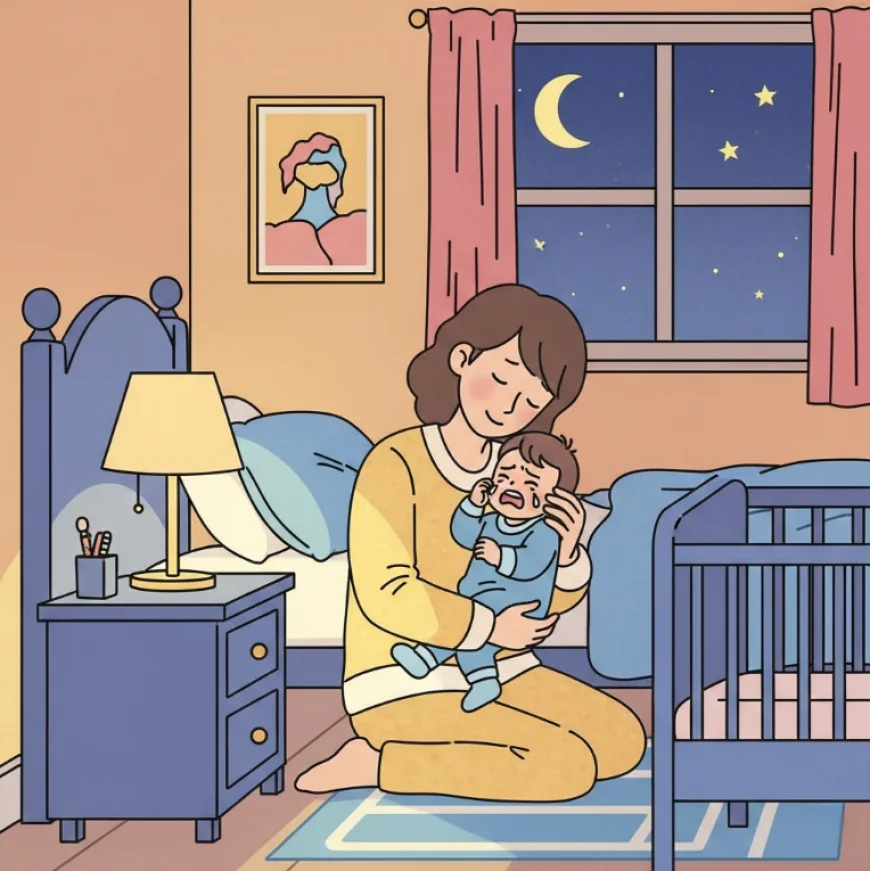
Every parent knows the sinking feeling when nighttime comes and instead of rest, it brings hours of endless crying. You feed your baby, change the diaper, rock them gently—but the crying continues. Minutes feel like hours, and exhaustion builds quickly. In those dark, quiet hours, many parents feel helpless, frustrated, and even wonder: Am I doing something wrong?
The truth is simple but reassuring: you are not alone. Millions of parents around the world face the exact same struggle. Crying is your baby’s very first language—it’s how they communicate hunger, discomfort, or a simple need for closeness. Sleepless nights are not a reflection of your ability as a parent. They are a natural stage of your baby’s development.
What matters most is how you respond: finding calm, practical strategies that soothe your baby while also protecting your own well-being. This guide will walk you through:
-
Why babies cry so much at night
-
The emotional toll on parents (and why it’s normal to feel overwhelmed)
-
Practical, science-backed strategies for surviving sleepless nights
-
When to seek medical advice
-
The long-term perspective that will give you hope
With gentle care, patience, and the right mindset, you can get through this phase—and emerge even more connected with your child.
Why Babies Cry at Night
According to the American Academy of Pediatrics, crying is a perfectly normal part of infant life. In fact, newborns may cry for two to three hours in a 24-hour period, often peaking during the evening and nighttime. Far from being a sign of “bad parenting,” crying is simply your baby’s way of saying, “I need something.”
Common reasons why babies cry at night include:
-
Hunger: Newborns have tiny stomachs and need to feed every 2–3 hours, day and night.
-
Wet or dirty diaper: A soiled diaper causes discomfort that can wake even the sleepiest baby.
-
Gas or colic: Some infants are more prone to trapped air, leading to fussiness and stomach pain.
-
Teething: Starting around 4–6 months, teething pain can disrupt sleep and trigger crying spells.
-
Overstimulation: Too much noise, light, or activity before bedtime can make it hard for babies to settle.
-
Need for closeness: Babies often cry simply to feel the warmth and security of being held.
👉 The key takeaway: crying is communication, not manipulation. Understanding the possible causes helps parents respond calmly and effectively. And while it can feel endless, most babies cry less as their nervous system matures—especially after the first three to four months.
The Emotional Toll on Parents
Sleepless nights take a heavy toll—not only on your physical energy but also on your emotional health. Studies on sleep deprivation show it can:
-
Increase irritability and mood swings
-
Weaken your immune system
-
Reduce focus and concentration
-
Heighten the risk of postpartum depression, especially in mothers
It’s common for parents to feel frustrated or even resentful in the middle of the night. Many worry they are “failing” because their baby won’t sleep. But here’s the truth: your feelings are valid, and you are not failing.
Sleep deprivation affects even the most patient, loving parents. Recognizing the strain you’re under is the first step toward coping more effectively. Remember: you don’t need to be perfect—you just need to be present and consistent.
Practical Strategies for Surviving Sleepless Nights
Tip 1: Build a soothing bedtime routine
Babies thrive on predictability. A consistent sequence—such as a warm bath, gentle massage, soft lullaby, then dimming the lights—signals to your baby’s brain that it’s time to wind down. Over time, this routine becomes a powerful sleep cue.
Tip 2: Check the basics first
Before trying complex solutions, go through a simple checklist:
-
Is the diaper clean and dry?
-
Did your baby feed recently?
-
Is the room temperature comfortable (ideally 20–22°C / 68–72°F)?
-
Are clothes too tight or scratchy?
Often, resolving one of these small discomforts can make a big difference.
Tip 3: Comfort with presence—not always by picking up
You don’t always need to pick your baby up right away. Sometimes, gently placing your hand on their chest, softly speaking, or patting them rhythmically is enough. This helps babies gradually learn how to self-soothe, while still feeling safe.

Tip 4: Use white noise and calming sounds
Many babies are comforted by steady, low sounds that mimic the womb environment. White noise machines, recordings of rainfall, or simply a running fan can reduce crying and help babies fall back asleep faster.
Tip 5: Try skin-to-skin contact
Research shows that holding your baby against your bare chest regulates their heartbeat, breathing, and body temperature. It also reduces stress hormones and can calm fussiness remarkably quickly.
Tip 6: Share responsibilities with your partner
If possible, take turns. One parent can handle the early-night waking, while the other manages the later shift. Even getting a 3–4 hour stretch of uninterrupted sleep can drastically improve mood and patience.
Tip 7: Take care of yourself, too
Parenting is a marathon, not a sprint. Try to:
-
Nap when your baby naps
-
Stay hydrated and eat balanced meals
-
Ask for help—from grandparents, relatives, or friends
A well-rested caregiver provides calmer, more effective care.
👉 Remember: survival is the goal. You don’t need to “fix” every cry immediately—you just need to create a safe, soothing environment while protecting your own strength.
When to Seek Medical Advice
Most nighttime crying is normal. However, there are times when it signals something more serious. According to Mayo Clinic and the UK’s National Health Service (NHS), call your doctor if your baby:
-
Cries inconsolably for hours without relief
-
Cries while also having a fever
-
Refuses to feed or has significantly fewer wet diapers
-
Has vomiting, diarrhea, or breathing difficulties
-
Appears unusually lethargic or unresponsive
Trust your instincts. If something feels wrong, it’s always better to seek professional reassurance than to wait and worry.
Long-Term Perspective
The good news? This phase won’t last forever. Research shows that infant crying tends to peak around 6–8 weeks, then gradually decreases as the baby approaches 3–4 months of age. As your baby’s brain and nervous system mature, their sleep patterns improve, and nighttime crying becomes less frequent.
In the bigger picture, sleepless nights are a temporary chapter in the much larger story of parenthood. The frustration you feel now will fade, but the bond you’re building with your child—by showing up, comforting them, and meeting their needs—will last a lifetime.

Crying at night is not a reflection of your abilities as a parent. It’s your baby’s way of saying, “I need you.” While the sleepless nights may feel endless, they are simply a stage—one that will pass.
By establishing soothing routines, checking the basics, using calming techniques, and sharing the load, you can make these nights more bearable. Just as importantly, caring for yourself ensures you have the strength to care for your baby.
One day, you’ll look back on these exhausting nights and realize they were also moments of deep connection. In the stillness of the night, as you hold your baby close, you are giving them the most powerful gift of all: your presence, your love, and your patience.
KimiParents – walking with you through every step of your parenting journey.
What's Your Reaction?
 Like
0
Like
0
 Dislike
0
Dislike
0
 Love
0
Love
0
 Funny
0
Funny
0
 Angry
0
Angry
0
 Sad
0
Sad
0
 Wow
0
Wow
0