



How to Teach Kids Responsibility Through Household Chores
Household chores teach kids responsibility, independence, and life skills. Discover age-appropriate tasks and tips to make chores fun and effective.
Chores—A Child’s First Classroom
Many parents think chores are only for adults, but in reality, they are one of the simplest and most effective ways to teach children about responsibility, independence, and life skills. By helping with household tasks, kids not only support the family but also learn self-management and respect for others’ work.
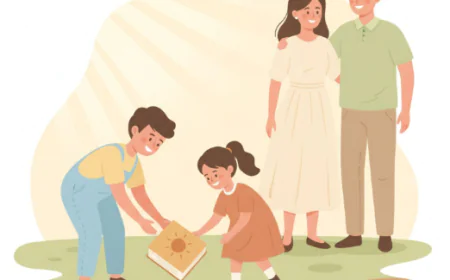
👉 The home can be the very first classroom where kids practice responsibility.
Why Should Kids Do Chores?
-
Builds responsibility: kids learn they play an important role in the family.
-
Develops life skills: cleaning, cooking, and caring for plants are useful in the future.
-
Boosts confidence: completing tasks makes children feel capable and valued.
-
Encourages discipline: regular chores help kids stay organized and persistent.
-
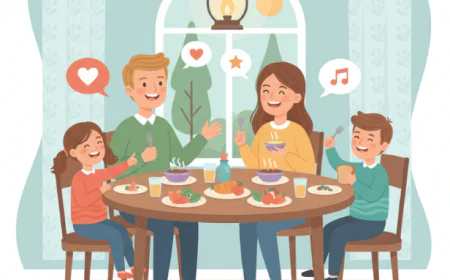
Strengthens family bonds: working together promotes teamwork and connection.
Age-Appropriate Chores
-
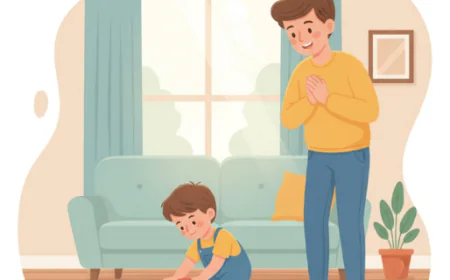
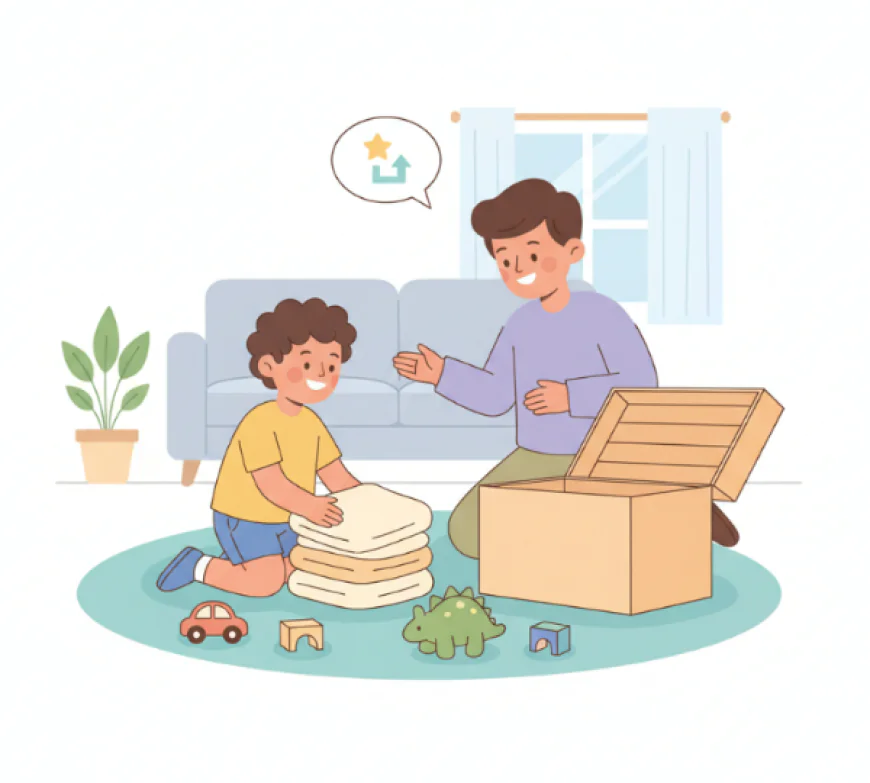
Ages 3–4: put away toys, wipe small tables, place dirty clothes in the basket.
-
Ages 5–6: fold simple clothes, water plants, feed pets.
-
Ages 7–9: set the table, pack their own school bag, help with simple cooking.
-
Ages 10+: use the washing machine, cook basic meals, clean their own room.
👉 The key is to assign tasks that are both doable and enjoyable for the child.

Tips to Help Kids Learn Responsibility Through Chores
-
Make chores fun: play music, turn them into small games or competitions.
-
Praise effort over results: say “You tried hard folding clothes” instead of focusing on perfection.
-
Set clear expectations: give specific tasks, not vague instructions.
-
Be patient and guide them: accept clumsiness at first and allow gradual improvement.
-
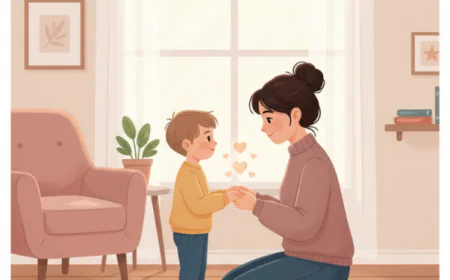
Model the behavior: do chores together so kids can watch and learn.

Instead of seeing chores as a burden, treat them as a valuable learning opportunity. By participating in household tasks, kids gain responsibility, life skills, independence, and teamwork.
👉 A little patience today will help raise responsible, capable children for tomorrow.
What's Your Reaction?
 Like
0
Like
0
 Dislike
0
Dislike
0
 Love
0
Love
0
 Funny
0
Funny
0
 Angry
0
Angry
0
 Sad
0
Sad
0
 Wow
0
Wow
0