






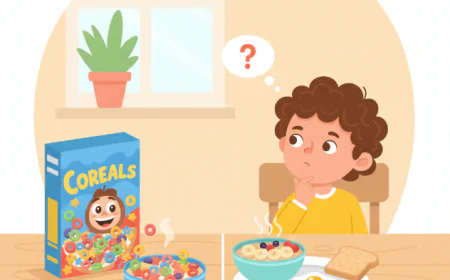

Baby Feeding Guide: What to Do When Your Baby Eats Too Little or Too Much?
A complete baby feeding guide to help parents manage picky eaters or overeating babies with gentle, practical tips and expert advice.
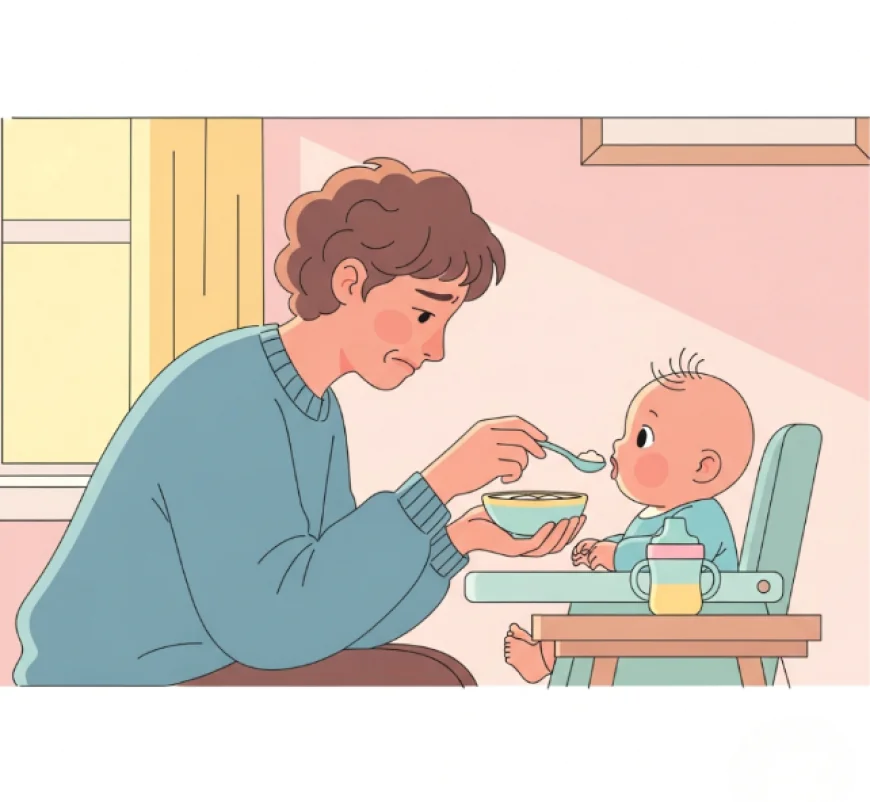
When Mealtime Feels Like a Battle
For many parents, mealtime is not a moment of joy but a source of stress. Some babies refuse to eat, turn their heads away, or cry during feeding. Others seem to eat constantly, asking for more and leaving parents worried about overeating and digestive problems.
Here’s the good news: both eating too little and eating too much are common phases in a baby’s development. Neither means you are failing as a parent, nor does it always signal a serious health issue. The key is to understand why it happens, respond with calm and practical strategies, and know when to seek professional advice.
This guide provides a clear, empathetic look at both sides of feeding challenges—picky or low appetite babies, and babies who seem to overeat—so you can find balance and peace at mealtime.
Why Feeding Matters So Much in Early Life
-
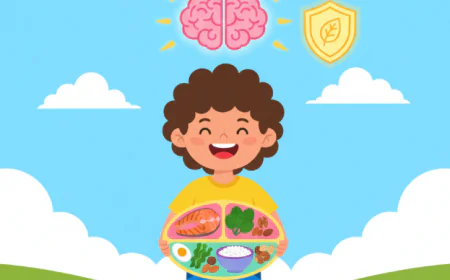
Growth and energy: Babies grow rapidly in the first two years, requiring more calories per body weight than adults.
-
Brain development: Nutrients like DHA, iron, and zinc are critical for learning and memory.
-
Immune system: Proper nutrition strengthens a baby’s defenses against illness.
-
Long-term habits: Early feeding patterns shape food preferences and behaviors later in life.
👉 What matters is not “eating more,” but eating enough of the right foods.
When Babies Eat Too Little: Causes and Solutions
Common causes:
-
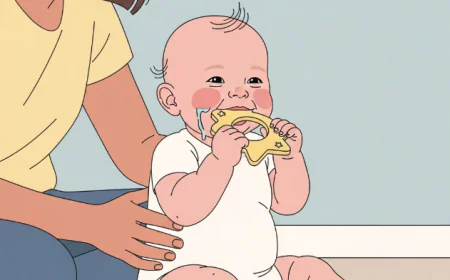
Growth stages: Teething, vaccinations, or learning new skills can reduce appetite temporarily.
-
Distractions: Babies exploring the world often lose focus at mealtime.
-
Feeding habits: Forcing, feeding too often, or giving too many snacks.
-
Mild illness: Colds, sore throat, or tummy troubles.
Gentle solutions:
-
Respect hunger and fullness cues—avoid forcing food.
-
Make meals fun: colorful plates, playful textures, let your baby self-feed.
-
Cut back on unhealthy snacks that spoil appetite.
-
Offer a variety of foods with different flavors and textures.
-
Stay patient: it can take 8–10 tries before a baby accepts a new food.

When Babies Eat Too Much: Causes and Solutions
Common causes:
-
Growth spurts: Babies naturally need more energy for a few days or weeks.
-
Comfort eating: Some babies feed more when tired, fussy, or seeking comfort.
-
Misreading cues: Parents sometimes mistake crying for hunger, when it may be fatigue or a wet diaper.
Gentle solutions:
-
Watch for fullness signals: turning head, pushing food away, slowing down.
-
Avoid using food as a reward or distraction.
-
Balance formula or solid food portions according to age.
-
Offer comfort in other ways—holding, rocking, or skin-to-skin contact.
👉 Short periods of increased appetite are normal, but if overeating continues for weeks, consult your pediatrician.
When to Worry
-
Poor weight gain or weight loss lasting more than 2 weeks.
-
Overeating paired with fussiness, poor development, or digestive problems.
-
Signs of nutrient deficiency: pale skin, thinning hair, delayed milestones.
According to Mayo Clinic and WHO, these situations should be checked by a pediatrician early.
General Advice for Parents
-
Observe, don’t force: Babies know their hunger better than we think.
-
Stay calm: Stress at mealtime makes it harder for babies to eat well.
-
Build consistent routines: Set meal times and stick to them.
-
Seek help when needed: Nutrition specialists can guide you if concerns persist.

Whether your baby eats too little or too much, remember: this is usually just a stage. These challenges are part of growing up. What your baby needs most is your patience, understanding, and a safe mealtime environment.
👉 Mealtime is not only about nutrition—it’s about connection. When parents stay calm and loving, meals become moments of joy, helping babies grow strong in both body and spirit.
KimiParents – walking with you through every step of your parenting journey.
What's Your Reaction?
 Like
0
Like
0
 Dislike
0
Dislike
0
 Love
0
Love
0
 Funny
0
Funny
0
 Angry
0
Angry
0
 Sad
0
Sad
0
 Wow
0
Wow
0