













Baby Skincare Guide: From Diaper Rash to Dry Skin
Learn how to care for your newborn’s sensitive skin with simple tips to prevent and treat diaper rash, dry skin, heat rash, baby acne, and eczema.
A Baby’s Delicate Skin
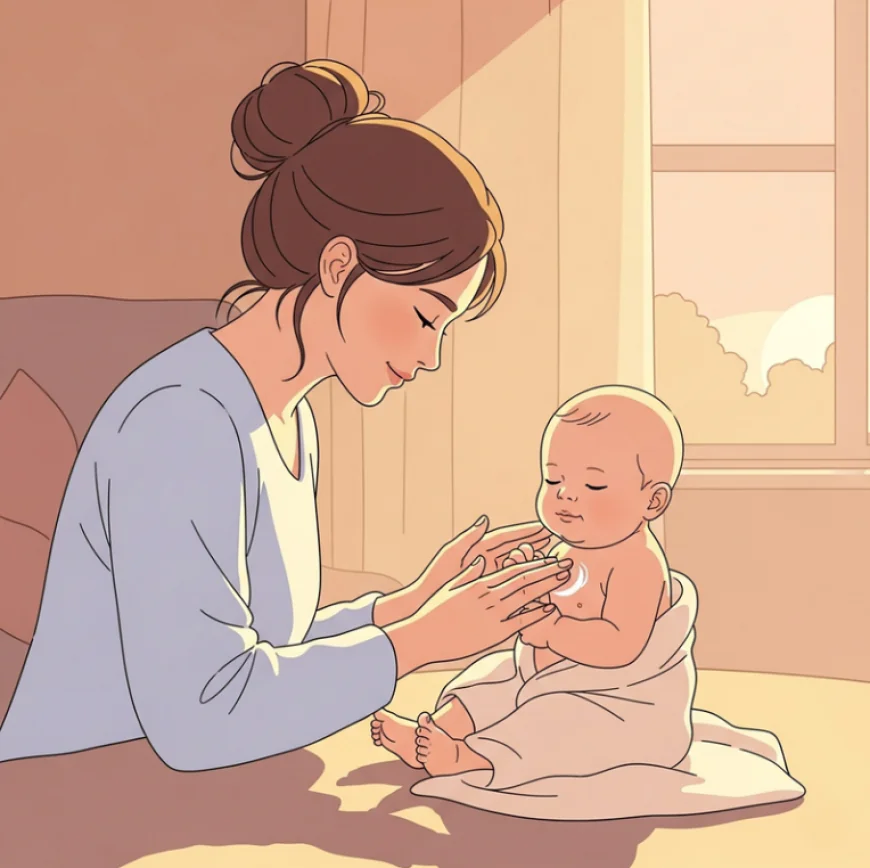
A newborn’s skin is often described as soft like silk—fragile, tender, and extremely sensitive. Because it is so delicate, even small changes in the environment, clothing, or daily care routines can trigger reactions: red patches, diaper rash, dry flakes, or itchy spots.
For many new parents, these sudden changes can feel alarming. Is it normal? Is it a disease? Do we need to see a doctor? The reassuring truth is that most common skin problems in newborns are normal, temporary, and manageable at home. They usually improve with gentle care as the baby grows.
What parents need most is not panic but understanding: to know what’s happening, how to respond, and when to seek help. This guide will walk you through the essentials—from recognizing common baby skin issues, to daily skincare tips, and knowing when it’s time to call the doctor.
Why Baby Skin Is So Sensitive
Compared to adult skin, baby skin is still developing and lacks strong protective layers. This is why it reacts quickly to external factors. Key differences include:
-
Thinner skin: A baby’s skin is about one-fifth the thickness of an adult’s. This makes it lose moisture easily and more prone to irritation.
-
Immature protective barrier: The immune defenses in baby skin are still weak, making it more vulnerable to bacteria and yeast.
-
Underdeveloped sweat glands: Babies sweat less efficiently, which is why heat rash is common.
-
Environmental sensitivity: Temperature, humidity, fabrics, and even mild chemicals in soap or detergent can cause reactions.
👉 Understanding these unique traits helps parents feel more confident. Instead of fearing every small rash, you’ll know what is normal and how to support your baby’s skin health day by day.
Common Skin Problems in Babies
1. Diaper Rash
-
Cause: Prolonged contact with wet or dirty diapers, friction, or yeast growth.
-
Signs: Redness, irritation, baby fussing during diaper changes.
-
Care:
-
Change diapers frequently (every 2–3 hours).
-
Clean gently with warm water or mild wipes.
-
Apply a barrier cream with zinc oxide.
-
Let your baby spend short diaper-free periods to let skin breathe.
-
2. Dry Skin and Peeling
-
Cause: Common in premature babies or during the first few weeks after birth.
-
Care:
-
Use fragrance-free, hypoallergenic moisturizers 2–3 times daily.
-
Avoid long baths or very hot water.
-
Pat the skin dry instead of rubbing.
-
3. Heat Rash (Prickly Heat)
-
Cause: Hot, humid environments, overdressing.
-
Signs: Small red bumps, often on the neck, back, or diaper area.
-
Care:
-
Dress your baby in lightweight cotton clothing.
-
Keep rooms cool and ventilated.
-
Bathe in lukewarm water, dry gently.
-
4. Baby Acne
-
Cause: Maternal hormones passed to the baby before birth.
-
Signs: Small red or white pimples on the face.
-
Care:
-
Keep the skin clean and dry.
-
Do not squeeze or scrub.
-
Usually clears up within weeks without treatment.
-
5. Eczema (Atopic Dermatitis)
-
Cause: Often linked to family history of allergies.
-
Signs: Dry, itchy patches, commonly on cheeks, arms, or legs.
-
Care:
-
Moisturize daily with gentle creams.
-
Avoid fragranced products, harsh soaps, and wool fabrics.
-
If severe, consult a pediatrician or dermatologist for treatment.

-
Daily Baby Skincare Tips
-
Bathing your baby
-
Use warm (not hot) water and keep baths under 10 minutes.
-
Use baby-specific cleansers without fragrance.
-
-
Moisturizing
-
Apply moisturizer after baths and before bedtime.
-
Choose simple, gentle products free of parabens and strong chemicals.
-
-
Choosing the right clothing
-
Opt for soft, breathable cotton fabrics.
-
Wash clothes with mild detergent, avoiding strong fragrances.
-
-
Keeping the environment healthy
-
Maintain room temperature around 26–28°C (78–82°F).
-
Avoid cigarette smoke and dust near your baby.
-
-
Observe and adapt
-
Every baby is unique. Notice how your baby’s skin reacts, and adjust care accordingly.
-
When to See a Doctor
While most baby skin conditions are harmless and temporary, seek medical advice if:
-
Rash spreads quickly or looks infected (yellow fluid, swelling, pain).
-
Diaper rash doesn’t improve after a few days of care.
-
Baby has a fever along with skin changes.
-
Persistent scratching, poor sleep, or feeding difficulties.
According to Mayo Clinic and the UK’s National Health Service (NHS), these may indicate infections or allergies that need medical treatment.
Long-Term Perspective
The reassuring reality is that most skin issues in babies improve with time. As your baby grows, their skin barrier strengthens, and conditions like dry patches, baby acne, and even mild eczema often become less frequent.
Your role as a parent is not to eliminate every rash instantly, but to provide a calm, gentle environment that allows your baby’s skin to heal naturally. A healthy daily skincare routine also builds habits that will protect your child’s skin for years to come.

Caring for a newborn’s skin is a journey of patience and gentleness. Red patches, peeling skin, or diaper rash are not signs of failure—they are part of your baby’s natural development.
The key is to stay calm, respond with simple daily care, and seek medical help when necessary. Every baby’s skin is different, so trust your instincts and adjust as you go.
With love, consistency, and a few mindful habits, you’re not only protecting your baby’s comfort today but also laying the foundation for healthy skin tomorrow. And just as importantly, you’re building your confidence as a parent—one day, one gentle touch at a time.
KimiParents – walking with you through every step of your parenting journey.
What's Your Reaction?
 Like
0
Like
0
 Dislike
0
Dislike
0
 Love
0
Love
0
 Funny
0
Funny
0
 Angry
0
Angry
0
 Sad
0
Sad
0
 Wow
0
Wow
0