











When Babies Start Teething: Signs, Discomfort, and How to Soothe Them
Learn the signs of baby teething, why it causes discomfort, and safe soothing tips to help your child feel better during this natural stage of growth.
A Familiar Struggle for Parents
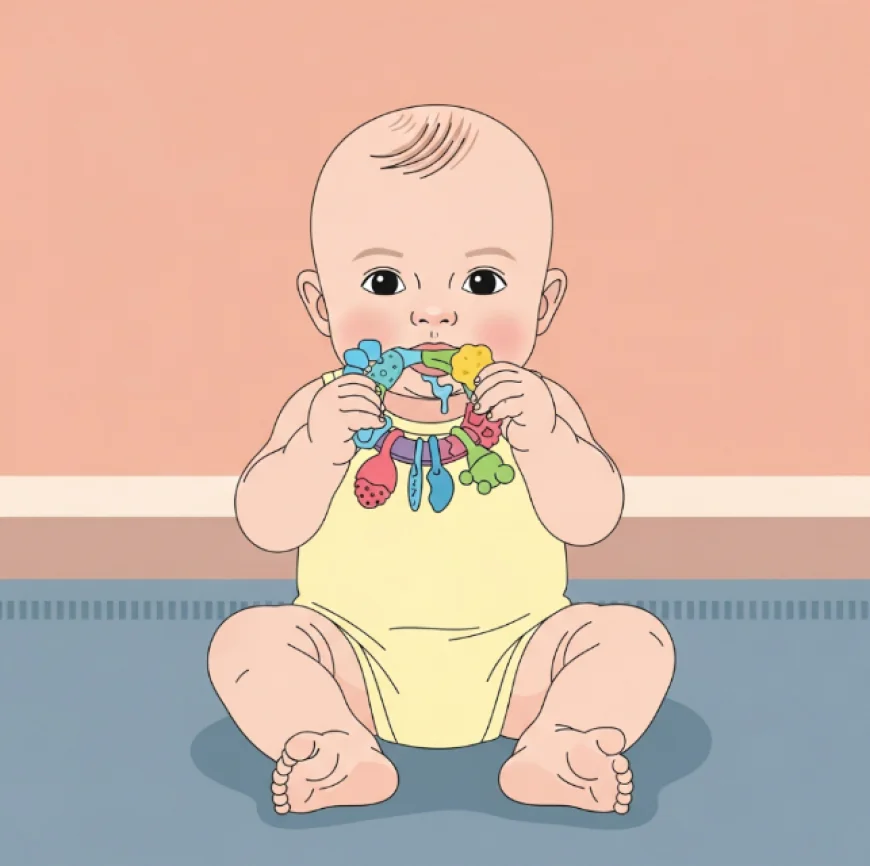
Around 6 months of age, many babies begin to cut their first teeth. It’s an exciting milestone, but it often comes with fussiness, crying, drooling, and sleepless nights.
👉 For parents, this can feel overwhelming: “Why is my baby crying all night? Is this normal? What can I do to help?”
This guide will help you recognize the signs of teething, understand why it causes discomfort, and learn safe, practical ways to soothe your little one.
When Does Teething Begin?
-
Most babies start teething between 6–10 months old.
-
Typical order: lower front teeth → upper front teeth → molars → canines.
-
By around age 3, most children have all 20 primary teeth.
👉 Remember: timing varies. Early or late teething by a few months is usually normal.
Common Signs of Teething
Typical Symptoms
-
Excessive drooling.
-
Chewing or biting objects.
-
Swollen, red gums.
-
Increased fussiness, irritability.
-
Changes in appetite or sleep.
Warning Signs (not caused by teething)
-
High fever over 38.5°C (101.3°F).
-
Severe diarrhea or vomiting.
👉 These require medical attention, as they are not typical teething symptoms.

Why Does Teething Cause Discomfort?
-
Pressure as the tooth pushes through the gum.
-
Inflammation in the gums, leading to soreness and itchiness.
-
Interrupted sleep and restlessness, causing crankiness.
👉 Knowing the cause helps parents stay calm and respond appropriately.
How to Soothe a Teething Baby
Natural Remedies
-
Offer silicone teething toys to chew safely.
-
Give a clean, cool washcloth to bite on.
-
Gently massage gums with a clean finger.
-
Provide chilled, soft foods (like banana purée, yogurt).
Medical Support (when needed)
-
For mild fever or pain → try cool compresses and hydration.
-
If necessary, pediatricians may recommend pain relievers (paracetamol, ibuprofen).
-
Avoid numbing gels with lidocaine or aspirin—unsafe for babies.
Tips for Parents
-
Stay calm and patient; teething is temporary.
-
Start cleaning gums and teeth early with a soft, damp cloth.
-
Monitor for unusual symptoms beyond fussiness.
-
Remember: comfort and reassurance matter as much as remedies.

Teething Is a Journey, Not a Battle
Teething is a natural part of growth, though it often feels like a challenge for both parents and babies.
👉 With the right care—comfort, safe remedies, and lots of love—this stage can become less stressful. Every new tooth is a small victory on your child’s journey to growing up healthy and strong.
What's Your Reaction?
 Like
0
Like
0
 Dislike
0
Dislike
0
 Love
0
Love
0
 Funny
0
Funny
0
 Angry
0
Angry
0
 Sad
0
Sad
0
 Wow
0
Wow
0