












Common Mistakes When Soothing a Crying Baby — And How to Avoid Them
Learn common mistakes parents make when soothing a crying baby and discover safe, effective ways to comfort and bond with your newborn.
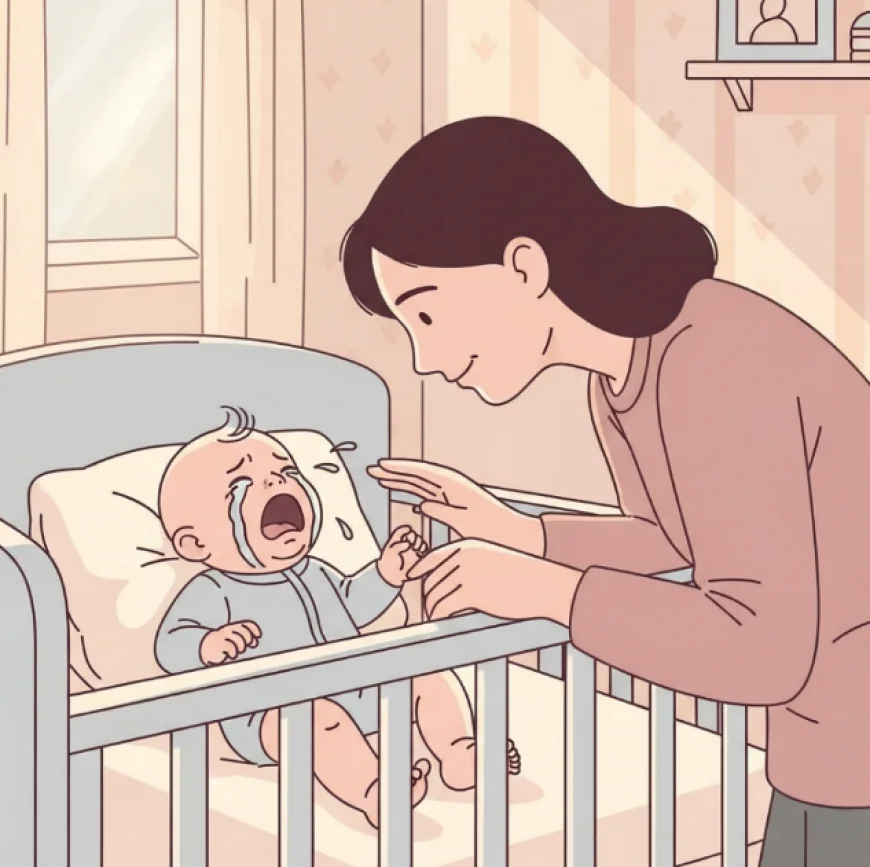
Crying as a Baby’s First Language
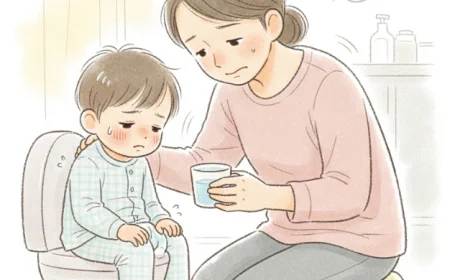
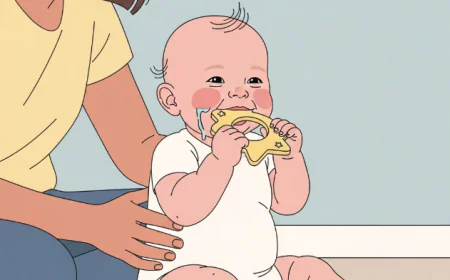
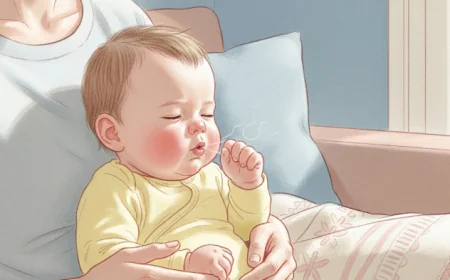
Crying is a newborn’s primary way of communication. Babies cry to signal hunger, discomfort, tiredness, or simply the need to be held. Yet many parents, especially new ones, may unintentionally soothe their baby in ineffective or unsafe ways, leading to more stress for both baby and caregiver.
👉 By learning to avoid common mistakes, parents can respond calmly, meet their baby’s needs better, and build stronger bonds.
Common Mistakes Parents Make
❌ 1. Rocking or shaking the baby too strongly
-
Risk: can cause brain injury (shaken baby syndrome).
-
Better way: hold gently, pat softly, sway slowly.
❌ 2. Feeding every time the baby cries
-
Risk: creates overdependence on feeding to fall asleep.
-
Better way: check signals first — hunger, tiredness, or discomfort.
❌ 3. Overdressing the baby
-
Risk: overheating, more fussiness.
-
Better way: keep baby comfortably dressed, check room temperature.
❌ 4. Leaving the baby to cry for too long
-
Risk: baby feels unsafe, may increase anxiety.
-
Better way: respond promptly, even if you haven’t identified the cause yet.
❌ 5. Overusing pacifiers or loud white noise
-
Risk: masks real needs, baby may not learn to self-soothe.
-
Better way: use sparingly, prioritize soothing with voice and gentle touch.

Safe and Effective Ways to Soothe
-
Observe cues: hunger cries, discomfort cries, tired cries all sound different.
-
Skin-to-skin contact: helps babies regulate heartbeat and feel safe.
-
Create a calm environment: dim lights, soft background sounds.
-
Use your voice: babies recognize and calm down with familiar voices.
-
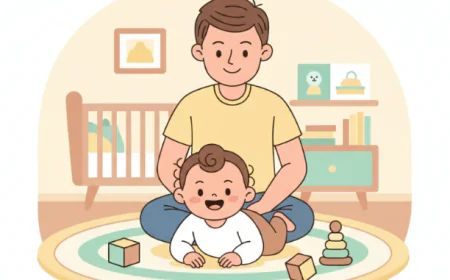
Try different methods: diaper change, tummy massage, or brief tummy time.
Tips for Parents
-
Stay calm — babies sense parental stress.
-
Don’t compare your baby with others; every baby has unique rhythms.
-
Seek medical advice if crying seems excessive or unusual.
-
See crying as a signal to decode, not a nuisance.

Responding, Not Just Silencing
👉 Soothing a baby isn’t about making the crying “stop at all costs.” It’s about finding the reason and responding with care. When parents avoid common mistakes and use safe, gentle methods, babies feel secure, and parents gain confidence.
Crying, when understood, becomes a bridge of love, not a burden.
What's Your Reaction?
 Like
0
Like
0
 Dislike
0
Dislike
0
 Love
0
Love
0
 Funny
0
Funny
0
 Angry
0
Angry
0
 Sad
0
Sad
0
 Wow
0
Wow
0